
Understanding Premature Skin Aging: Causes and Misconceptions
Premature skin aging is something many worry about, but understanding what actually causes it can clear up a lot of confusion. It’s not just about getting older; factors like environmental damage, poor habits, and neglect play a huge role. Common misconceptions often suggest that only expensive products or invasive treatments can make a difference, but that’s far from the truth.
In reality, your skin’s health depends largely on how you treat it daily — especially before bedtime. This is the time when your skin naturally repairs itself, so what you do (or don’t do) during those hours can either support or hinder its recovery process. Recognizing that aging is influenced by lifestyle and environment helps shift the focus to simple, effective habits rather than costly skincare routines.
Essential Bedtime Habits to Protect Your Skin Naturally
Hydration Strategies Before Sleep
One of the most impactful habits you can adopt is focusing on hydration. Drinking enough water throughout the day, and particularly in the evening, helps maintain your skin’s elasticity and suppleness. However, balance is key—too much fluid right before bed might disrupt your sleep, which can ironically worsen skin issues.
Besides drinking water, applying a light, natural moisturizer or face oil can lock in moisture and support the skin barrier overnight. Ingredients like aloe vera or jojoba oil are gentle and effective without the need for pricey formulations.
Optimal Sleep Positions for Skin Health
Believe it or not, how you sleep impacts skin aging. Sleeping on your back reduces pressure and friction on your face, which can prevent the formation of sleep lines and wrinkles. Side or stomach sleeping tends to press your skin against pillows, increasing the risk of creases that, over time, become permanent.
If switching to back sleeping feels uncomfortable at first, try using a supportive pillow designed to keep your head aligned without forcing you onto your side. This small adjustment can contribute significantly to preserving youthful skin.
Nighttime Nutrition Ideas for Youthful Skin
The foods you consume before bed also play a part in skin health. Eating a heavy meal right before sleeping can disrupt digestion and cause inflammation, which is known to accelerate aging. Instead, opt for light snacks rich in antioxidants and vitamins.

For example, a small serving of berries or a handful of nuts provides nutrients that support collagen production and fight free radicals. Herbal teas like chamomile not only promote relaxation but also contain compounds that can soothe skin irritations.
Simple Skin Care Rituals That Don’t Break the Bank
DIY Natural Remedies with Common Household Ingredients
There’s no need to invest in expensive creams when your kitchen offers plenty of skin-friendly options. Ingredients such as honey, oatmeal, and yogurt can be combined into gentle masks that hydrate and exfoliate without harsh chemicals.
Applying raw honey before sleep, for example, provides antibacterial benefits and helps retain moisture. These remedies are not only affordable but also customizable to your skin type, making them a great starting point for natural skin care.
Effective Cleansing Techniques Using Water and Gentle Tools
The foundation of any skin care routine is a proper cleanse, but over-washing or using abrasive products can do more harm than good. Simply rinsing your face with lukewarm water and using a soft cloth is often enough to remove dirt and excess oils before bed.
Choose gentle motions to avoid irritation, and if needed, a mild cleanser that respects your skin’s natural oils can be included. Avoid scrubbing or using hot water, as these practices strip moisture and disrupt the skin’s protective barrier.
The Role of Environment and Lifestyle at Night
Maintaining Ideal Bedroom Conditions for Skin Restoration
The environment inside your bedroom influences how well your skin recovers overnight. Dry air, often caused by heating or air conditioning, can dehydrate your skin and accentuate fine lines.
Using a humidifier or keeping a bowl of water near the radiator can improve humidity levels and support skin hydration. Additionally, keeping your bedding clean and changing pillowcases regularly reduces bacteria and allergens that might irritate your skin.
Stress Management to Enhance Overnight Skin Repair
Stress is a silent culprit in premature aging, as it triggers hormone imbalances that can deteriorate skin quality. Establishing calming bedtime rituals like meditation, deep breathing, or reading can lower stress levels effectively.
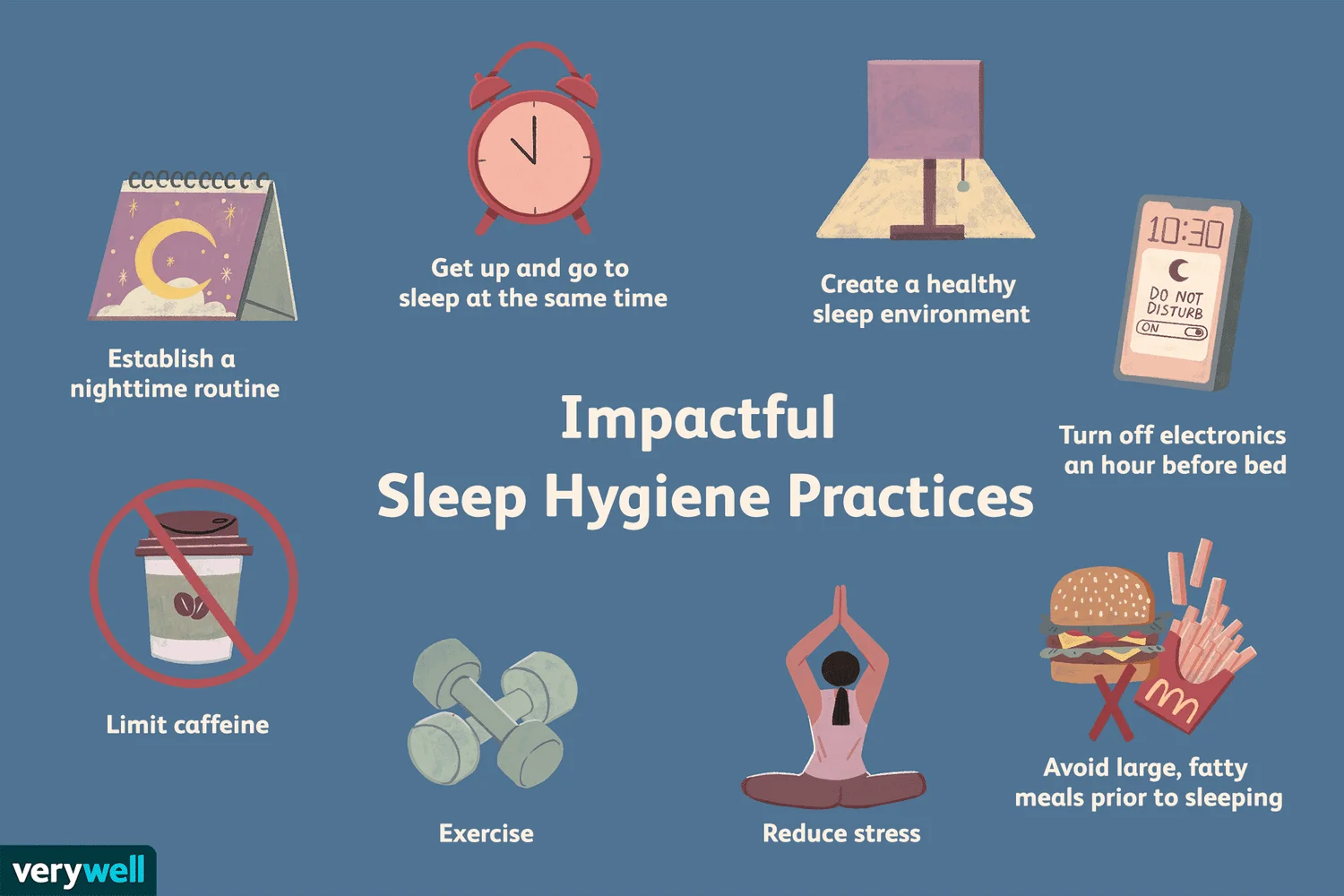
Not only does this help you fall asleep easier, but it also allows your skin to perform its natural repair functions more efficiently. Avoid electronic devices an hour before bedtime as blue light exposure can interfere with melatonin production and worsen stress.
Monitoring Progress: How to Know If Your Habits Are Working
It’s important to give your new bedtime habits time to show results. Skin regeneration is a gradual process, and noticeable improvements usually take weeks to months. Keep track of changes by observing your skin’s texture, hydration, and overall glow rather than focusing solely on wrinkles.
Taking photos or keeping a journal can help you objectively assess progress. If you notice persistent issues, consider consulting a dermatologist for personalized advice.
Remember, consistency is key. Regularly following these simple, natural bedtime routines can delay premature aging without the need for costly products.


