
Understanding the Importance of Drought-Resistant Plants
Challenges of Gardening in Arid Climates
Gardening in regions prone to drought presents a unique set of difficulties. Water scarcity limits the types of plants that can thrive, often leading to wilting vegetation and barren landscapes. This struggle is compounded by rising temperatures and erratic rainfall patterns caused by climate change. Without the right plant choices, maintaining a healthy garden can become both time-consuming and costly as frequent watering becomes necessary to sustain growth.

Benefits of Choosing Drought-Resistant Shrubs and Ground Covers
Selecting drought-resistant shrubs and ground covers alleviates these issues significantly. These plants have adapted to survive long periods without water, making them ideal for low-maintenance gardening. Beyond conserving water, drought-resistant varieties often have robust root systems that improve soil structure and limit erosion. They also tend to be less susceptible to pests and diseases, reducing the need for chemical treatments. Embracing these plants leads to beautiful landscapes that require less effort and resources to maintain.
Top Drought-Resistant Shrubs for Low-Maintenance Gardens
Native Shrubs That Thrive Without Excess Water
Native shrubs are inherently suited to local climatic conditions, making them dependable options for drought-prone gardens. Plants such as the California lilac, manzanita, and desert sage have evolved to flourish under limited water availability while supporting local wildlife. Their deep-rooting habits enable them to access moisture far beneath the soil surface, ensuring their survival even during extended dry spells. Integrating native shrubs into your garden promotes ecological balance and sustainability.
Ornamental Shrubs Combining Beauty and Resilience
For gardeners seeking both aesthetics and durability, ornamental drought-resistant shrubs offer a versatile solution. Species like lavender, rosemary, and Russian sage bring vivid colors and fragrant foliage while enduring dry conditions gracefully. These shrubs provide year-round visual interest with minimal upkeep, making them suitable for borders, hedges, or focal points. Their appeal lies in combining decorative charm with the practical advantage of reduced water consumption.
Ground Covers That Conserve Water and Suppress Weeds
Succulent Ground Covers: Nature’s Water Savers
Succulent ground covers are natural water conservers due to their thick, fleshy leaves that store moisture. Plants such as sedum, ice plant, and stonecrop thrive in hot, dry environments and require little irrigation once established. Their dense growth pattern not only reduces soil evaporation but also effectively suppresses weed growth by limiting space available for unwanted plants. This dual function helps maintain the garden’s health and reduces labor involved in weed control.
Hardy Perennial Ground Covers for Year-Round Coverage
Perennial ground covers like creeping thyme, ajuga, and cotoneaster remain green and vibrant throughout the year, providing consistent soil coverage. These plants adapt well to poor soils and withstand drought by entering dormant phases when water is scarce. By retaining soil moisture and preventing erosion, they protect the garden’s foundation while minimizing the need for frequent replacement or replanting. Their resilience enhances the garden’s sustainability and overall visual harmony.
Design Tips for Using Drought-Resistant Plants Effectively
Combining Shrubs and Ground Covers for Visual Appeal
A common design challenge is creating a visually pleasing garden that also conserves water. Combining drought-resistant shrubs with complementary ground covers can achieve this balance. Shrubs provide height and structure, while ground covers fill in spaces to create a lush, cohesive appearance. Strategic layering enhances texture and color variation, resulting in an inviting landscape that remains attractive even during dry periods. This integration also aids moisture retention by shading the soil.
Soil Preparation and Mulching Strategies to Retain Moisture
Poor soil conditions often exacerbate drought stress on plants. Preparing soil by incorporating organic matter improves its water-holding capacity and nutrient availability. Applying mulch plays a critical role in conserving moisture by reducing evaporation and insulating roots from temperature extremes. Organic mulches like bark chips or straw also gradually break down, enriching the soil further. These preparation steps establish an environment where drought-resistant plants can thrive with minimal supplemental watering.
Maintaining Your Drought-Resistant Garden With Minimal Effort
Watering Best Practices During Dry Seasons
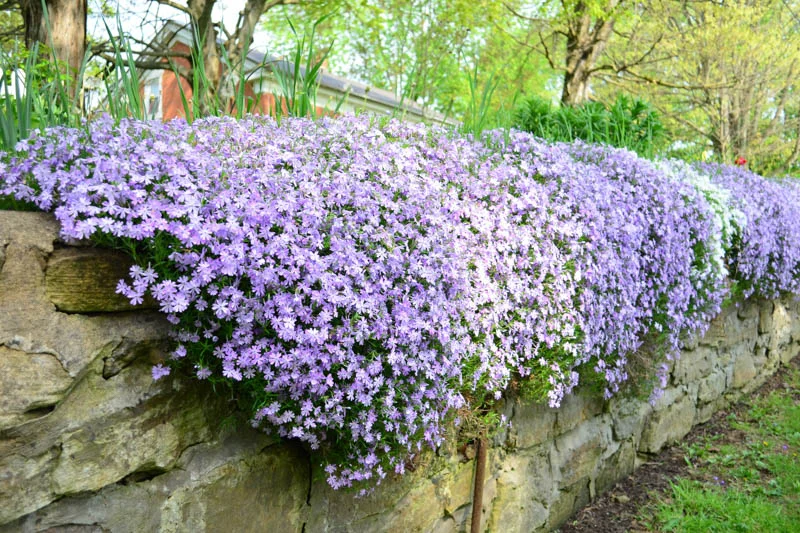
Even drought-tolerant plants benefit from occasional deep watering during prolonged dry periods. The goal is to encourage roots to grow deeper rather than remain near the dry surface. Watering early in the morning or late in the evening reduces evaporation loss. Avoid frequent shallow watering, which can weaken plant drought resilience. Utilizing drip irrigation or soaker hoses can efficiently deliver water directly to the root zone, maximizing absorption and minimizing waste.
Pruning and Fertilizing Tips to Encourage Growth
Regular pruning helps maintain the health and shape of shrubs, removing dead or crowded branches that can reduce airflow and increase disease risk. However, excessive pruning during drought should be avoided as it stresses plants. Fertilizing with slow-release formulations provides nutrients steadily without overwhelming plants. Opting for organic fertilizers enriches the soil sustainably, promoting strong root development and resilience. Such balanced care supports plant vigor while respecting their drought-adapted nature.
Case Studies: Successful Low-Water Gardens Around the World
Urban Gardens Using Native Drought-Tolerant Plants
Numerous urban areas have embraced drought-resistant gardening to counter increasing water restrictions. For example, cities in Southern California have transformed public spaces and residential yards with native plants like manzanita and California poppy, reducing irrigation needs dramatically. These green oases demonstrate how sustainable plant choices can enhance urban biodiversity, create cooler microclimates, and offer aesthetic benefits without excessive resource consumption.
Residential Landscapes Featuring Shrubs and Ground Covers
In regions such as the Mediterranean, homeowners have adopted drought-tolerant shrubs like rosemary combined with succulent ground covers like sedum to craft lush yet water-wise gardens. These landscapes remain verdant through dry summers, requiring only occasional maintenance. The success of such gardens underscores that drought resistance does not mean sacrificing style or variety, but rather embracing smart plant selections and design tactics that respect local environmental conditions.


