
Understanding Afternoon Slumps and Energy Needs
What Causes the Afternoon Energy Dip?
Almost everyone experiences that mid-afternoon lull when energy plummets, focus wanes, and productivity takes a hit. This afternoon slump is often a natural part of our body’s circadian rhythm. After lunch, blood flow increases to the digestive system to help break down food, temporarily diverting energy away from the brain. Add to that the natural drop in core body temperature during early afternoon, and it’s no surprise that alertness dips. But lifestyle choices, such as poor sleep, stress, and diet, can also intensify this slump, making it a daily struggle for many.
How Natural Foods Affect Energy Levels
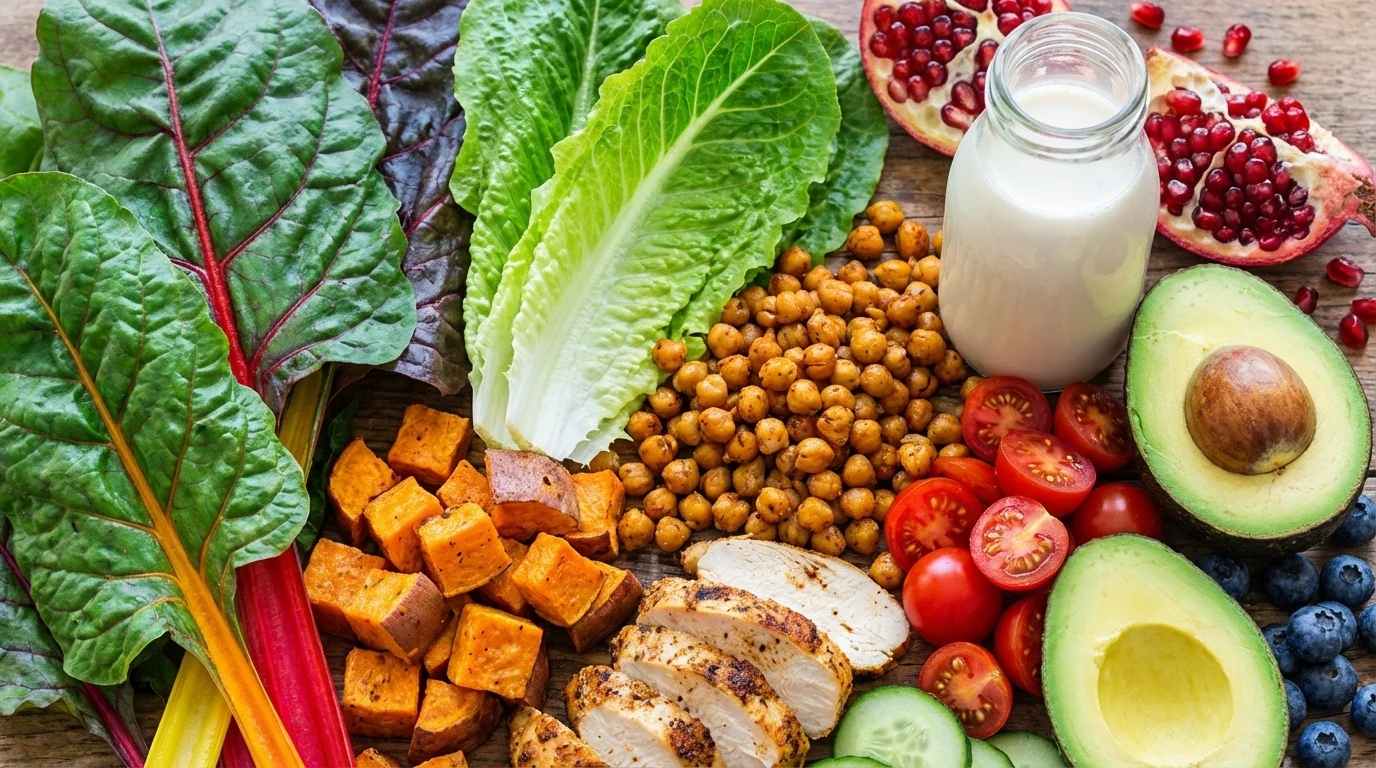
Choosing the right foods can be a game changer when battling afternoon fatigue. Unlike sugary treats or caffeine, which offer quick but fleeting energy spikes, natural whole foods provide a more balanced and sustained release of energy. Whole foods are packed with fiber, vitamins, minerals, and complex carbohydrates that sustain blood sugar and keep you feeling alert without the crash. They also help support brain function and mood regulation, which are crucial for maintaining focus through the day’s busiest hours.
Top Whole Foods to Combat Afternoon Fatigue
Complex Carbohydrates for Sustained Energy
When it comes to combating fatigue, complex carbohydrates like quinoa, brown rice, and sweet potatoes are your best friends. They break down slowly, providing a steady stream of glucose, the brain’s primary fuel. This slow digestion avoids the energy spikes and drops common with refined carbs. Including these in your afternoon snack or meal ensures a longer-lasting energy supply, helping to keep sluggishness at bay.
Protein-Packed Options to Keep You Alert
Protein is vital for maintaining mental sharpness and overall vitality, especially during the afternoon slump. Foods such as Greek yogurt, hard-boiled eggs, and nuts deliver amino acids that support neurotransmitter production, which helps keep your mood stable and focus intact. Unlike sugary snacks, these protein sources don’t cause rapid blood sugar swings, making them an excellent choice for sustained mental energy.
Energizing Fruits and Vegetables
Fruits and vegetables often get overlooked as energy boosters, but their natural sugars, antioxidants, and vitamins make a notable difference. Berries, apples, and oranges offer gentle sweetness with fiber to slow sugar absorption, preventing spikes. Meanwhile, vegetables like carrots and bell peppers provide plenty of vitamins C and B, which play roles in energy metabolism. Their high water content also helps maintain hydration, an often neglected factor in staying energized.
Combining Whole Foods for Maximum Afternoon Energy
Snack Ideas That Fuse Carbs and Protein
One trick to powering through an afternoon slump is combining carbohydrates and protein in your snacks. For instance, pairing apple slices with almond butter or whole-grain crackers with cheese creates a satisfying balance. The carbohydrates supply immediate energy, while the protein sustains it, preventing those unwelcome energy crashes. This synergy ensures you’re not just full but genuinely energized and ready to tackle your tasks.
Hydrating Foods To Enhance Vitality
Staying hydrated is often underestimated when it comes to fighting tiredness. Foods with high water content, such as cucumbers, watermelon, and celery, help replenish fluids essential for optimal cellular function. When combined with energy-boosting nutrients, these hydrating foods enhance overall vitality, helping you feel fresher and more alert without resorting to caffeinated or sugary drinks.
Practical Tips: When and How to Eat for Lasting Energy
Optimal Timing for Energy-Boosting Snacks
Timing can make or break your energy levels. Rather than waiting until you’re already dragging, it’s smarter to plan your snack about two to three hours after lunch. This helps maintain steady blood sugar and keeps fatigue from sneaking up on you. Consistent eating patterns with carefully chosen whole foods allow your body to maintain energy without drastic highs and lows.
The Role of Portion Size in Avoiding Energy Crashes
Overeating, even when consuming healthy foods, can lead to sluggishness as your body diverts energy to digestion. Keeping portions moderate prevents this pitfall. Think of smaller, frequent snacks rather than big meals. This approach supports steady glucose availability and minimizes the risk of that heavy, worn-out feeling. Listening to your body’s hunger cues and stopping when satisfied—not stuffed—goes a long way in managing afternoon energy dips effectively.


