
Why Budget-Friendly Road Trips Are Worth It
Benefits of Saving Money While Traveling
Planning a road trip on a budget allows travelers to experience the freedom of the open road without the stress of overspending. Saving money on the road means more opportunities to explore diverse destinations, enjoy local attractions, and extend the length of the trip. A budget-friendly approach encourages mindfulness about expenses, which often leads to discovering unique and less touristy spots that offer rich cultural experiences at a lower cost. Additionally, managing finances well during a trip can reduce post-travel financial strain, making the adventure more enjoyable both during and after the journey.
Common Challenges and How to Overcome Them
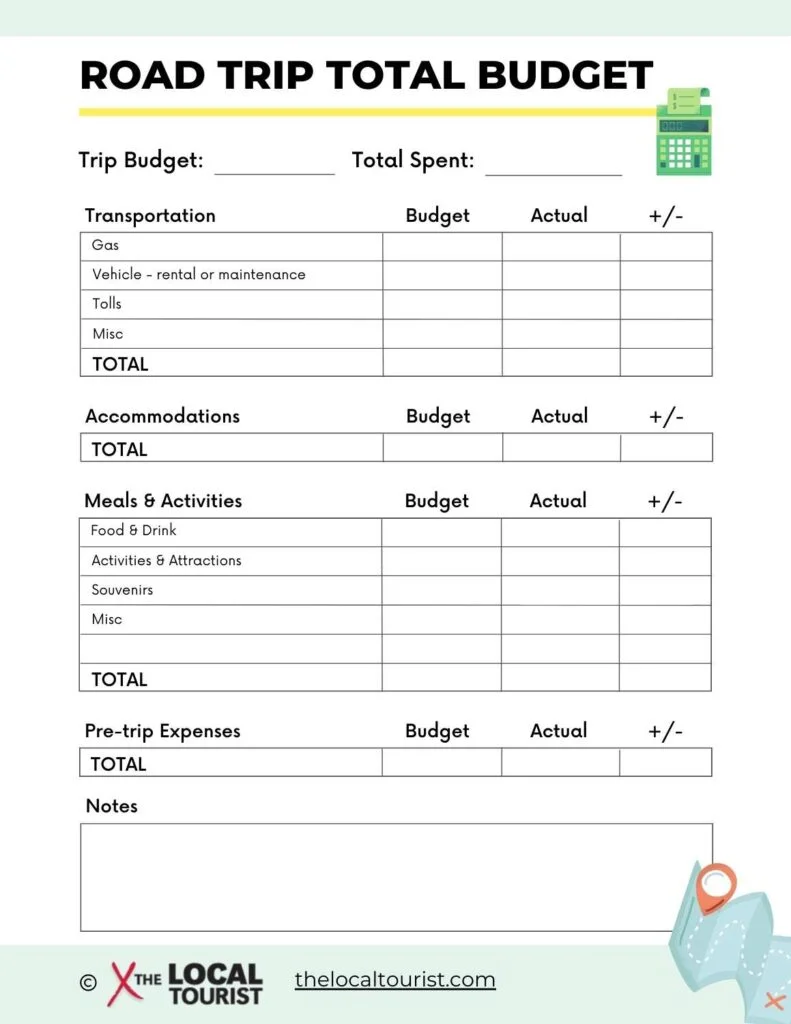
One of the main challenges of budget road trips is the temptation to splurge on conveniences like fast food, last-minute accommodations, or roadside attractions. Another issue is unpredictable costs such as vehicle repairs or fluctuating fuel prices that can disrupt the planned budget. To overcome these problems, it is crucial to plan thoroughly and build flexibility into the budget. Prior research into affordable routes, accommodations, and dining options minimizes unexpected expenses. Being proactive about vehicle maintenance and using budgeting apps to monitor spending in real time creates a smoother, cost-effective travel experience.
Essential Planning Steps for a Cost-Effective Road Trip
Setting a Realistic Budget
Setting a realistic budget at the outset is fundamental to a successful budget-friendly road trip. The problem many travelers face is underestimating their daily costs, which can lead to financial stress midway through the journey. A careful estimate should include fuel, food, lodging, activities, and emergency funds. It’s helpful to research average prices in the planned locations and add a buffer for unexpected expenses. Once the budget is established, allocate daily spending limits and stick to them as closely as possible to avoid overspending.
Choosing Affordable Destinations and Routes
High-cost tourist hotspots may seem appealing but often strain a tight budget. Opting for less popular or off-season destinations can dramatically reduce costs while still providing memorable experiences. Planning routes that avoid toll roads or expensive urban centers can save money on fuel and fees. Travelers should use mapping tools to find scenic backroads and less congested routes, which can also add to the adventure. Early booking of accommodations and attractions in these areas typically results in better deals and more availability.
Vehicle Preparation Tips to Avoid Unexpected Expenses
Basic Maintenance Checks Before You Go
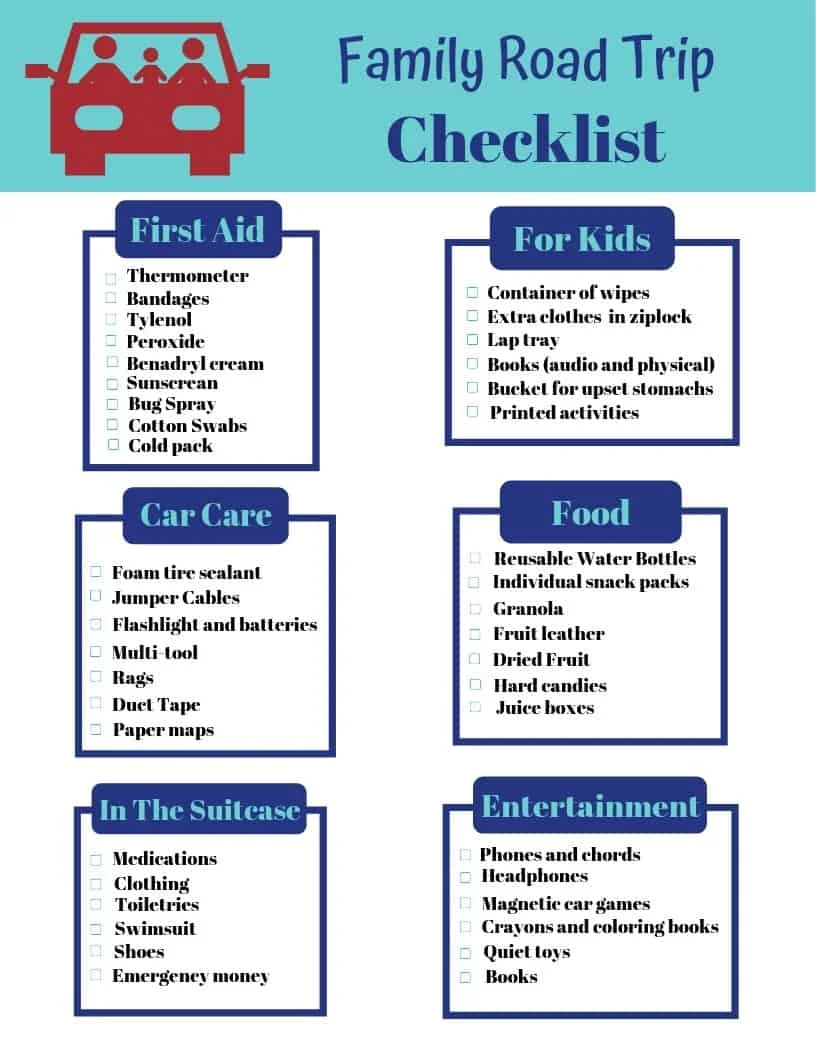
Unexpected vehicle breakdowns can quickly derail a budget-friendly trip and incur significant repair costs. The root cause of many roadside emergencies is neglected maintenance. Conducting thorough checks on tires, brakes, oil levels, and fluids before departure is essential. Ensuring the spare tire and jack are functional can prevent costly towing fees. Addressing minor repairs before the trip avoids expensive last-minute fixes. Additionally, a well-maintained vehicle runs more efficiently, saving fuel and extending the range between fills.
Packing Smart to Save on Supplies
Impulse purchases of supplies on the road can accumulate and strain the budget. Packing necessities such as snacks, water bottles, and basic cookware not only saves money but also reduces frequent stops at costly convenience stores. Bringing along reusable items like utensils, refillable containers, and camping gear enables travelers to prepare meals and avoid eating out excessively. Being strategic about luggage space and prioritizing multi-use items can prevent buying duplicates during the trip.
Money-Saving Hacks During the Trip
Finding Cheap or Free Accommodations
Accommodation often accounts for a significant portion of travel expenses. One common pitfall is booking expensive hotels out of convenience or lack of planning. Utilizing alternatives such as camping, hostels, or staying with friends and family can substantially cut costs. Many travelers benefit from apps and websites that list budget-friendly or free lodging options like house-sitting or couch-surfing. Flexibility with dates and locations can unlock last-minute deals or discounts not available during peak times.
Budget-Friendly Food and Beverage Options
Eating on the road can become expensive if relying solely on restaurants or fast food chains. Preparing meals, even simple ones, allows travelers to control costs and eat healthier. Grocery stores and local markets offer affordable ingredients, and picnics can be enjoyable alternatives to restaurant dining. Staying hydrated by carrying a refillable water bottle prevents constant purchasing of bottled drinks. Avoiding touristy eateries and seeking out local diners help stretch the food budget without sacrificing quality.
Using Technology to Track and Save on Costs
Technology offers practical tools to maintain a budget-savvy road trip. Expense tracking apps alert travelers when they are nearing their spending limits, preventing surprises. Fuel price comparison apps help find the cheapest gas stations along the route, reducing fuel expenses significantly. Navigation apps can suggest efficient routes that avoid traffic and tolls, saving both time and money. Additionally, digital coupons and discount apps often provide savings on food, lodging, and activities when used strategically.
Post-Trip Strategies to Evaluate Your Spending
Reviewing Your Budget vs. Actual Expenses
After the trip concludes, many travelers face confusion about where their money went or overspending regrets. A post-trip financial review helps clarify which areas met the budget and where adjustments are necessary. Comparing estimated costs to actual expenses uncovers spending patterns and highlights unexpected costs. This evaluation provides valuable insights for better planning in the future, ensuring more accurate budget setting and improved control over expenditures on upcoming road trips.
Lessons Learned for Future Road Trips
Reflecting on the successes and mistakes of the past trip builds a foundation for smarter travel decisions ahead. Travelers often realize the importance of flexibility, thorough research, and preparedness in managing costs. Learning to balance enjoyment with frugality prevents reckless spending without diminishing the experience. By documenting lessons learned, such as preferred accommodations, food strategies, and vehicle maintenance routines, future road trips can become more efficient, enjoyable, and affordable.


