
Understanding the Importance of a Distraction-Free Home Office
How Distractions Impact Remote Work Productivity
Distractions at home can severely undermine the productivity of remote employees. Whether it is background noise, household chores, or interruptions from family members, these distractions fragment focus and extend the time needed to complete tasks. The inability to maintain sustained attention often leads to errors, reduced output, and increased stress. Without a structured environment, remote workers may find themselves drifting between work and personal activities, diminishing their overall effectiveness.

Psychological Benefits of a Dedicated Workspace
Having a dedicated home office space creates a mental boundary between work and leisure, which is crucial for maintaining motivation and discipline. This separation helps employees mentally prepare for their tasks and signals the brain to switch into “work mode.” Beyond productivity, a designated workspace fosters a sense of professionalism and personal accountability. It can significantly reduce work-related anxiety by providing an organized and calming environment, which supports mental well-being.
Choosing the Perfect Location Within Your Home
Evaluating Noise Levels and Privacy
The choice of location within the home plays a pivotal role in minimizing distractions. Spaces that are isolated from the main living areas tend to offer the most privacy and quiet, ideal for deep work sessions. However, not everyone has the luxury of a separate room. In such cases, selecting a corner or area shielded from frequent household traffic and noise can still provide adequate focus. Evaluating ambient noise and potential interruptions before finalizing the spot ensures the workspace remains conducive to productivity.
Natural Lighting and Its Effect on Focus
Natural light has been scientifically linked to improved concentration and mood. Working in a space that receives ample daylight can increase alertness, reduce eye strain, and boost overall energy levels. When choosing a home office location, prioritizing areas with access to windows can significantly enhance the work experience. If natural light is limited, complementing the area with full-spectrum lighting that mimics daylight can be an effective substitute, maintaining the rhythm of the day and supporting sustained focus.
Design Principles for Minimizing Distractions
Ergonomic Furniture and Layout Optimization
Poor furniture choices often lead to discomfort, which itself becomes a source of distraction. Investing in ergonomic chairs and desks adjusted to the user’s height fosters a healthier posture and reduces fatigue. Furthermore, an optimal layout considers easy accessibility to essential tools without cluttering the workspace. Positioning the desk away from high-traffic zones and ensuring enough space for movement can streamline workflow and mitigate interruptions caused by physical discomfort or spatial constraints.
Color Psychology to Enhance Concentration
The colors chosen for a home office environment subtly influence mood and concentration. Soft hues like light blues and greens are known to have calming effects, helping reduce anxiety and improve focus. Conversely, overly bright or saturated colors might provoke distraction or agitation. Integrating neutral tones combined with accents of calming colors can create a balanced ambiance that supports prolonged attention spans and mental clarity during work hours.
Technology Setup to Support Focused Work
Essential Tools and Hardware for Remote Employees
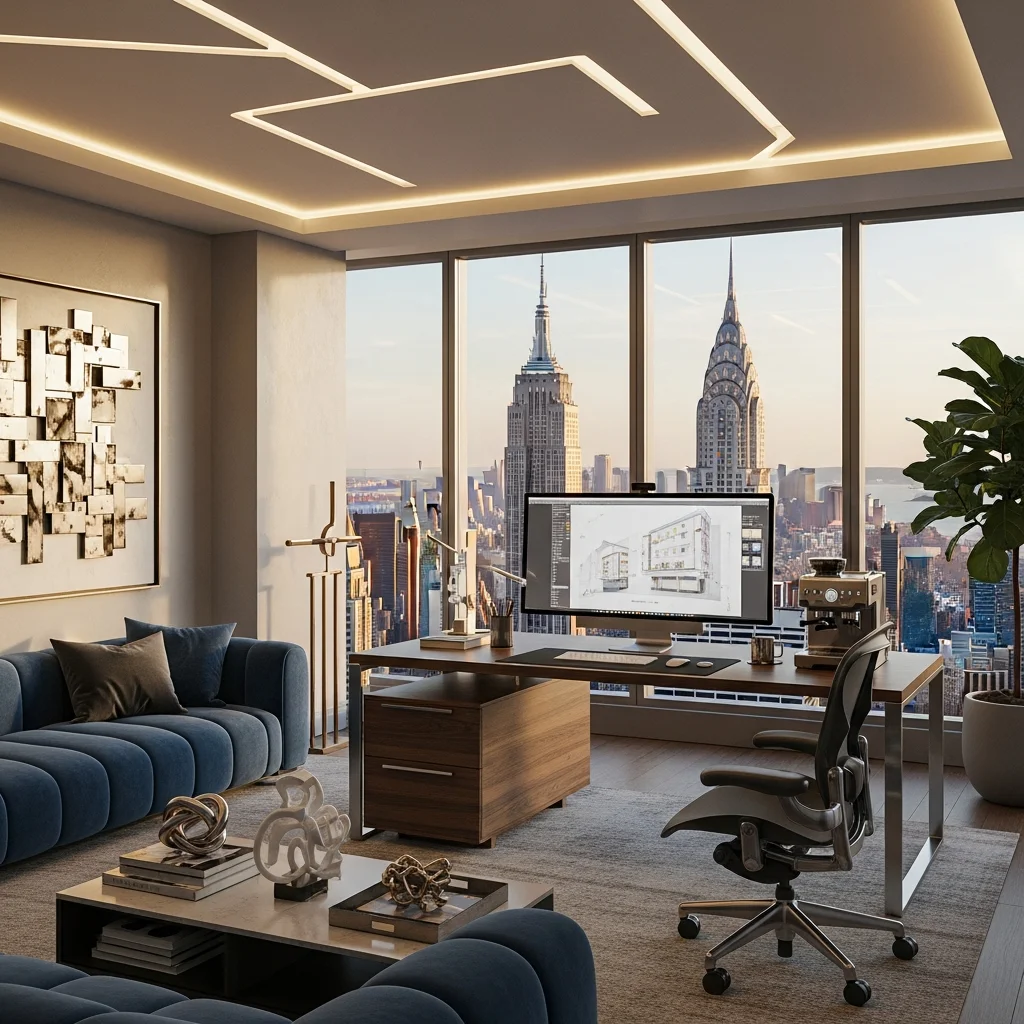
A well-equipped technology setup is foundational to a distraction-free workspace. Reliable internet connectivity, a quality monitor or laptop, and ergonomic accessories such as a keyboard and mouse reduce technical frustrations that break concentration. Headsets with clear audio help during virtual meetings, and having backup devices or chargers nearby avoids unnecessary interruptions. Keeping technology organized and functioning smoothly allows employees to stay engaged and complete work efficiently.
Using Noise-Canceling Devices and Apps
External noise is one of the most common disruptors in home offices. Noise-canceling headphones provide an immediate shield, allowing workers to focus even in less-than-ideal acoustic environments. Additionally, apps offering ambient sounds or white noise can mask background disturbances and create auditory consistency, which aids in concentration. Investing in these tools can transform a noisy household into a productive workspace, enhancing the ability to maintain deep focus.
Implementing Organizational Systems
Decluttering Strategies to Reduce Visual Noise
Cluttered workspaces introduce visual distractions that can overwhelm the mind and disrupt workflow. It is common for remote employees to accumulate papers, gadgets, or personal items in their work areas, making it difficult to find what they need and increasing stress levels. Regular decluttering routines that prioritize only essential items help create a clean and inviting environment. Using storage solutions like shelves or drawers keeps the desk surface clear, directly contributing to enhanced concentration and productivity.
Time Management Techniques for Task Prioritization
Effective time management minimizes the mental load and prevents distractions caused by overwhelming workloads. Techniques such as time blocking or the Pomodoro method encourage focused work intervals followed by breaks, helping maintain sustained attention without burnout. Prioritizing tasks based on urgency and complexity ensures that critical items receive the necessary focus, reducing the tendency to multitask and become distracted. Implementing these strategies structures the workday and fosters disciplined work habits.
Behavioral Strategies to Maintain Discipline
Setting Boundaries with Family and Roommates
One of the biggest challenges in a home office is managing interruptions from household members. Without clear communication and boundaries, these distractions can break the flow of work repeatedly. Establishing specific work hours and informing others about unavailable times helps minimize interruptions. Physical signals, like closing the door or using “do not disturb” signs, reinforce these boundaries and create respect for the employee’s focus needs, leading to a more productive environment.
Creating Routines That Signal Work Mode
Developing consistent routines that mark the start and end of the workday primes the mind for productivity. Activities such as dressing in work clothes, having a morning coffee at the desk, or a brief meditation before starting can serve as cognitive cues that shift attention toward professional responsibilities. Routines not only enhance discipline but also help create mental separation between work and personal life, reducing the risk of burnout and maintaining motivation.
Case Study: Successful Home Office Setups
Creative Solutions from Remote Workers in Different Industries
Remote workers across various fields have adopted innovative measures to combat distractions. For example, a graphic designer transformed a small closet into a compact, soundproof nook, effectively isolating herself from household noise. Meanwhile, a software developer uses a portable whiteboard to jot down daily goals, which helps maintain focus and clear priorities. These creative adaptations highlight that regardless of space limitations, thoughtful customization can create effective distraction-minimizing environments.
Lessons Learned and Best Practices
From these examples, several best practices emerge: personalization of space, consistent boundary-setting, and integration of technology to enhance focus. Successful setups often involve a combination of ergonomic design, noise management, and disciplined routines. Importantly, ongoing adjustments based on changing needs ensure the workspace remains conducive to productivity over time. Embracing flexibility while maintaining core principles is key to sustaining a distraction-free home office.


