
Why Replace Screen Time with DIY Craft Projects?
Impact of Screen Time on Family Dynamics
Excessive screen time in the evenings can disrupt family interactions and reduce meaningful communication. When each family member is absorbed in their own device, opportunities for bonding diminish, leading to feelings of isolation even within the same household. This unintended distancing affects relationships, particularly between parents and children, and can contribute to behavioral issues due to a lack of shared activities and engagement.
Benefits of Engaging in Creative Activities Together
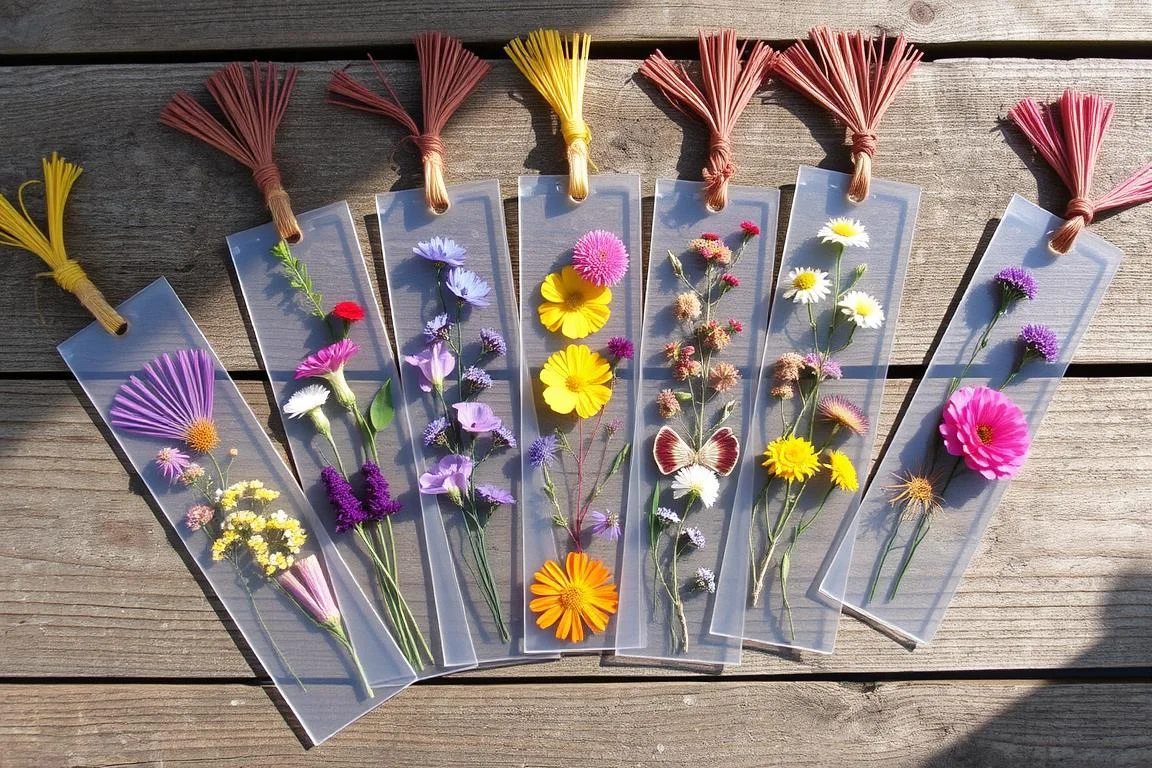
Engaging in DIY craft projects provides a valuable alternative that encourages collaboration, creativity, and emotional connection. These activities foster an environment where family members can express themselves, develop new skills, and work towards common goals. Besides strengthening relationships, creative crafts stimulate cognitive development, improve fine motor skills, and reduce stress, making them a healthy and enjoyable option for family evenings.
Top 5 Easy DIY Craft Projects for Family Evenings
Handmade Greeting Cards
Handmade greeting cards are a simple project that anyone can personalize and create with minimal materials. Families can use colored paper, markers, stickers, and stamps to design cards for upcoming birthdays, holidays, or thank-you notes. This project encourages creativity while teaching the value of thoughtful gestures and communication beyond screens.
Nature-Inspired Collage Frames
Collecting leaves, flowers, and small twigs from outdoor walks can serve as a foundation for crafting nature-inspired collage frames. This project connects the family with nature and enables them to explore textures and colors. Assembling the collages together promotes teamwork and allows for decorative keepsakes that celebrate shared outdoor experiences.
Personalized Family Storybook
Creating a personalized family storybook helps preserve memories and promotes storytelling skills. Each member can contribute drawings, write short stories, or share anecdotes that reflect the family’s unique experiences. This ongoing project reinforces identity and encourages communication, giving everyone a voice and a creative outlet.
Custom Painted Flower Pots
Painting flower pots is an enjoyable craft that adds color to the home and introduces gardening in a fun way. Family members can express their individual styles through painting, while the act of planting flowers or herbs nurtures responsibility and patience. This project also enhances the home environment with a personal touch.
Recycled Materials Bird Feeders
Using recycled materials to make bird feeders is an eco-friendly craft that teaches sustainability. Families can repurpose items like plastic bottles, cardboard, or cans to create feeders that attract local birds. This hands-on activity opens discussions about nature conservation and encourages care for the environment while maintaining creativity.
Planning Your Craft Evenings: Tips and Tricks
Setting Up a Family Craft Space
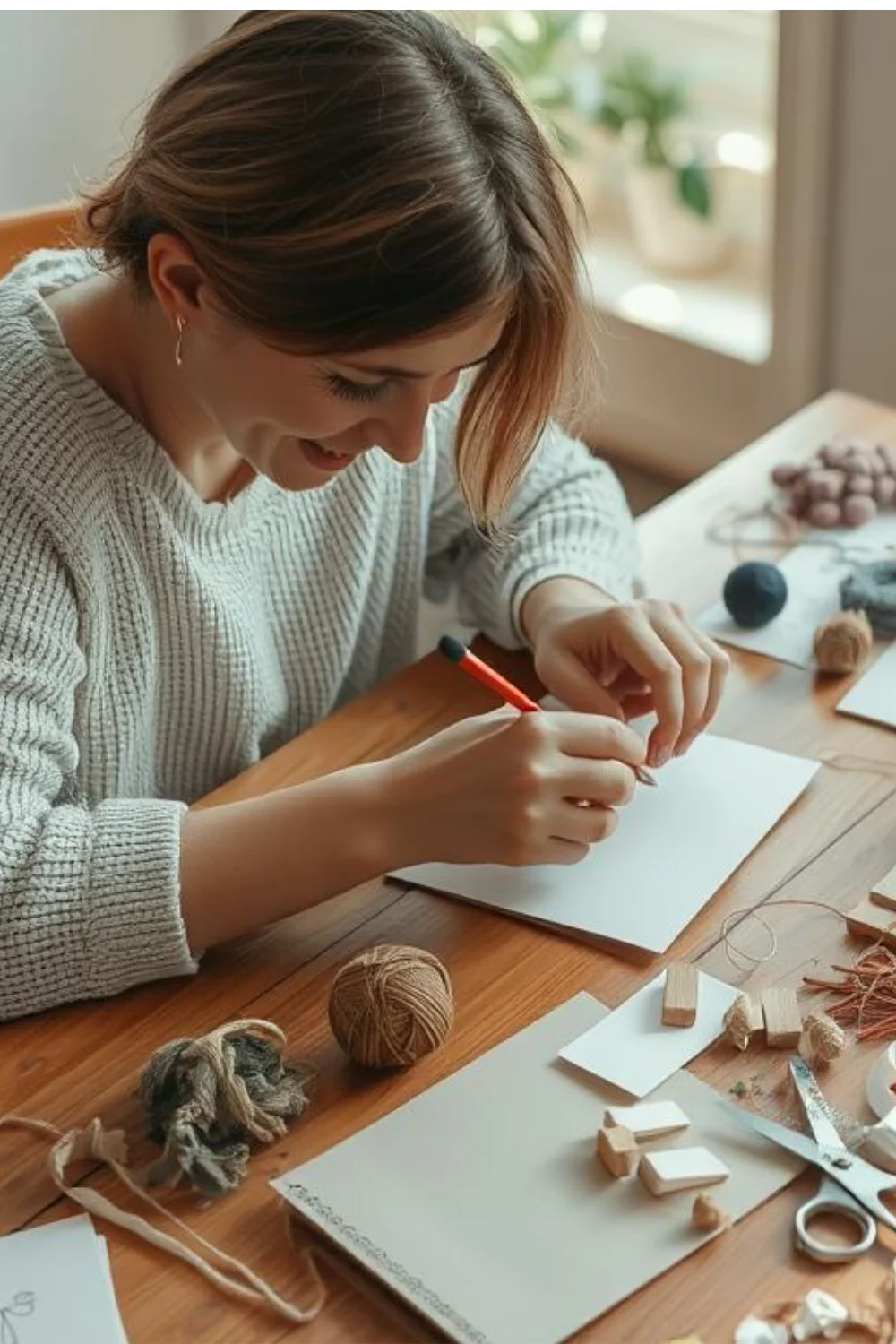
A dedicated and organized craft area is crucial for smooth and enjoyable craft evenings. Without proper space, clutter and distractions can hinder creativity and participation. Establishing a specific table or room corner equipped with essential supplies helps everyone feel invited and ready to engage. Keeping the space tidy and accessible reduces setup time and makes crafting a regular, hassle-free activity.
Gathering Materials on a Budget
One common obstacle to family crafts is the perception that materials are costly or hard to find. However, smart planning can overcome this barrier. Utilizing everyday household items, visiting thrift stores, or sourcing affordable craft supplies online can keep expenses low. Prioritizing versatile materials that can be reused or repurposed also helps families maintain a budget while keeping projects fresh and exciting.
Incorporating Educational Elements into Crafts
Adding educational value transforms craft time into a multifaceted learning experience. For instance, projects can introduce concepts like colors, shapes, or nature facts, depending on the craft chosen. Parents can use this time to discuss the science behind materials, history of art styles, or storytelling techniques. Such integration deepens engagement and enhances the development of critical thinking and knowledge alongside creativity.
How DIY Crafts Foster Family Communication
Encouraging Storytelling Through Crafts
Craft projects naturally create opportunities for storytelling. As family members share ideas, memories, or inspirations related to their work, conversations flow more freely. This exchange strengthens communication skills and helps individuals articulate feelings and thoughts. Moreover, storytelling during crafts can enhance empathy and understanding among family members by revealing personal perspectives in a supportive setting.
Building Teamwork and Problem-Solving Skills
When families collaborate on DIY projects, they face challenges that require teamwork and creative problem-solving. Whether deciding on a design, sharing tools, or fixing mistakes, these moments teach compromise, patience, and persistence. These skills are transferable beyond crafts, improving overall family dynamics and preparing children for cooperative situations in school and life.
Keeping the Momentum: Making Crafts a Regular Habit
Scheduling Weekly Craft Nights
Consistency is key to replacing screen time effectively. Setting a regular weekly craft night creates anticipation and builds routine. This scheduled commitment encourages everyone to prioritize family time, reducing the temptation of turning to devices. Over time, the ritual of crafting together strengthens bonds and produces lasting positive associations.
Celebrating Finished Projects Together
Recognizing and celebrating completed crafts reinforces achievement and motivation. Displaying projects around the home, sharing them with extended family, or even organizing mini exhibitions gives each family member a sense of pride. This positive reinforcement encourages continued participation and helps make crafts an enjoyable, rewarding tradition.


