
Introduction to Creative Indoor Art Projects for Kids
Engaging children in creative indoor art projects offers a fun and effective way to teach fundamental concepts like colors, shapes, and patterns. These projects combine play with learning, fostering both imagination and cognitive skills. Beyond entertainment, art activities support early development by encouraging experimentation and critical thinking in a comfortable indoor setting.
Exploring Basic Colors Through Interactive Activities
Understanding colors is a vital building block for young learners. Interactive art activities make this exploration hands-on and memorable. Children grasp how colors relate and interact when they participate actively rather than passively observing.
Color Mixing with Homemade Paints
Mixing paints at home provides a visual and tactile experience that deepens color comprehension. Using simple ingredients like flour, water, and food coloring, kids can blend primary colors to create secondary shades. This activity demonstrates color relationships and stimulates curiosity about how new colors emerge from combinations.
Using Recycled Materials to Learn Primary and Secondary Colors
Collecting colorful recycled items such as bottle caps, scrap paper, and fabric scraps encourages environmental awareness while reinforcing color recognition. Arranging these objects by their color groups allows children to distinguish primary from secondary colors. The tactile nature of recycled materials adds texture and variety to the learning process.
Shape Recognition via Fun Art Projects
Introducing shapes through art helps children connect abstract concepts to real-world forms. Artistic projects turn shape identification into an engaging challenge that enhances spatial awareness and fine motor skills.
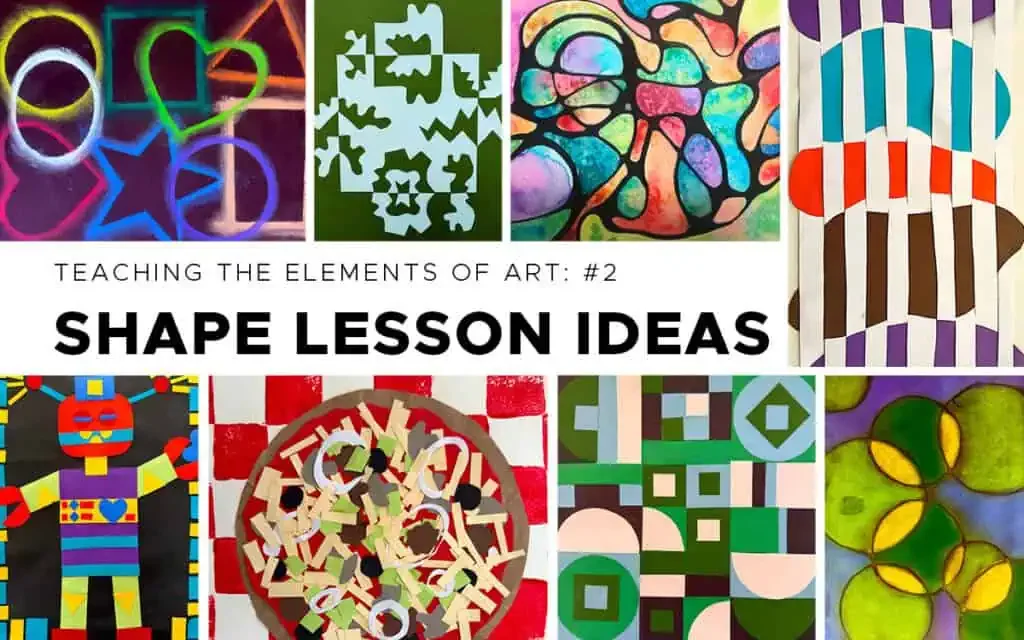
Creating Collages with Geometric Shapes
Cutting and pasting geometric shapes into collages gives kids hands-on experience recognizing and organizing forms. It encourages thoughtful composition as children decide how to arrange circles, squares, triangles, and rectangles into meaningful designs. This tactile approach strengthens visual discrimination.
3D Shape Models Using Paper and Clay
Building three-dimensional models from paper and clay allows children to see shapes from multiple angles. Crafting cubes, cones, and pyramids aids in understanding volume and structure. The process of shaping and assembling materials supports both creativity and spatial reasoning.
Patterns and Sequences: The Art of Repetition
Patterns introduce predictability and order, key concepts in both art and early math skills. Engaging kids in creating repetitive designs hones their ability to recognize sequences and develop concentration.
Designing Patterned Bracelets and Necklaces
Stringing beads in repeating color or shape sequences creates wearable art that illustrates patterns clearly. This activity also promotes hand-eye coordination and patience, as children must follow or invent a sequence while assembling their piece.
Painting Repetitive Patterns on Rocks and Shells
Using natural objects like rocks and shells as canvases for repeated designs adds an element of surprise and texture. Children practice controlled brushwork while exploring symmetry, rhythm, and repetition in a tangible format.
Tools and Materials Best Suited for Indoor Art Lessons
Choosing the right tools is crucial for a smooth and safe creative experience. Basic supplies like non-toxic paints, blunt scissors, glue sticks, recycled paper, clay, and beads work well indoors. These materials are accessible, easy to clean, and versatile across multiple projects.
Incorporating Learning Goals into Playful Art Time
Aligning art activities with educational objectives enhances their value. When children understand the purpose behind a project, their engagement deepens, and learning outcomes improve.
Setting Objectives for Color, Shape, and Pattern Recognition
Clear goals might include identifying primary colors, distinguishing between circles and squares, or replicating simple patterns. These targets guide the selection of projects and keep focus on skill development rather than just the final product.
Tracking Progress Through Creative Projects
Observing how children choose colors, recognize shapes, and create patterns over time reveals their evolving understanding. Documenting projects or discussing their work supports reflection and encourages continuous improvement.


