
Introduction to Daily Journaling and Cognitive Benefits
Understanding Cognitive Clarity
Cognitive clarity refers to the state of having a clear, focused, and organized mind. It allows individuals to think more effectively, make better decisions, and process information with ease. When your thoughts are organized, it becomes easier to prioritize tasks and solve problems. Journaling daily can be a powerful tool to cultivate this clarity by encouraging you to externalize your thoughts and reflect on them, reducing mental clutter.

How Memory Recall Works
Memory recall is the ability to retrieve information stored in your brain. It involves several processes, including encoding, storage, and retrieval. Regular journaling helps enhance these processes by reinforcing the neural pathways related to memory. Writing about events, ideas, or emotions makes the experiences more concrete, which aids in strengthening memory retention over time.
Key Daily Journaling Practices for Mental Sharpness
Consistent Time Setting for Journaling
Establishing a fixed time for journaling each day helps form a habit, which is essential for reaping cognitive benefits. Many find that journaling either first thing in the morning or before bedtime creates a calm and focused mindset to start or end the day. Regular scheduling not only ensures discipline but also signals your brain to prepare for reflection, reinforcing mental sharpness over time.
Prompts That Boost Memory Retention
Using specific prompts can guide your journaling sessions to target memory strengthening. Prompts such as “What did I learn today?” or “Describe a meaningful moment” encourage you to recall and process detailed information. This deliberate practice deepens engagement with your experiences, making your memory more vivid and accessible.
Incorporating Reflective Questions
Reflective questions stimulate critical thinking and deeper cognitive processing. Questions like “Why did this event affect me?” or “How could I approach this differently next time?” help connect emotions and reasoning with past experiences. This practice sharpens your mental clarity by encouraging insight and perspective, vital for enhanced cognition.
The Science Behind Journaling and Brain Function
Neurological Impact of Writing Regularly
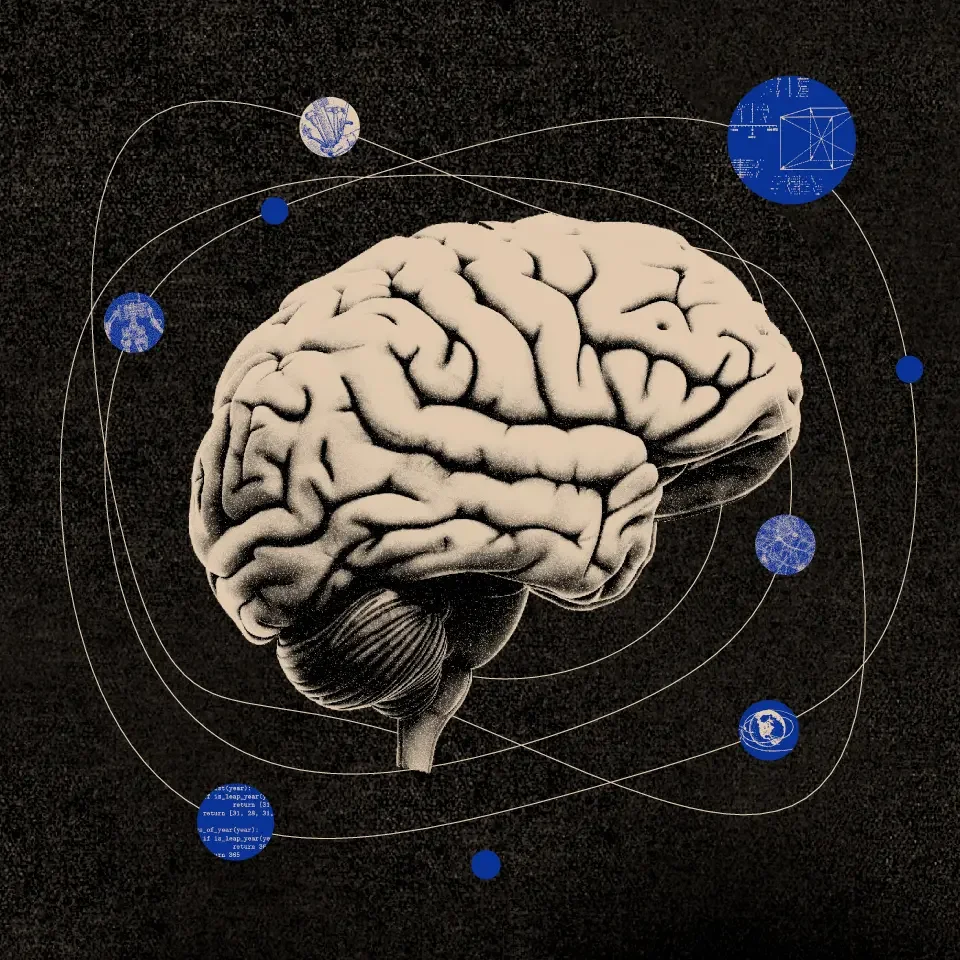
Writing engages multiple brain regions involved in language, motor skills, and memory. Regular journaling strengthens neural connections between these areas, promoting neuroplasticity—the brain’s ability to adapt and rewire itself. Studies show that this cognitive exercise can improve focus, working memory, and emotional regulation, all critical components of mental clarity.
Studies Linking Journaling to Improved Memory
Research indicates that journaling can significantly boost memory recall. For example, studies demonstrate that writing about personal experiences helps consolidate memories and protects against cognitive decline. These benefits are attributed to the repetitive retrieval and encoding of information, cemented through writing, which enhances long-term retention.
Journaling Techniques to Enhance Clarity
Mind Mapping vs. Free Writing
Mind mapping organizes thoughts visually, highlighting connections and hierarchies between ideas. This technique is especially useful for breaking down complex concepts and improving clarity by externalizing mental structure. On the other hand, free writing allows for uninhibited expression, helping uncover subconscious thoughts and emotions. Both methods contribute differently to cognitive clarity: mind mapping aids in structure, while free writing promotes flow and insight.
Gratitude Journaling and Its Cognitive Effects
Gratitude journaling focuses on acknowledging positive aspects of your daily life. This approach has been shown to enhance mental well-being and reduce stress, thereby supporting clearer thinking. The practice encourages a positive mindset, which can improve cognitive flexibility and memory recall by reducing distractions caused by negative emotions.
Tools and Apps to Support Your Journaling Routine
Digital vs. Traditional Journaling
The choice between digital and traditional journaling depends on personal preference and lifestyle. Traditional journaling, using pen and paper, can enhance memory through tactile engagement and slower processing, which benefits cognitive absorption. Digital journaling offers convenience, searchability, and the ability to incorporate multimedia elements, making it easier to track progress and revisit entries.
Recommended Apps for Cognitive Journaling
Several apps cater to journaling with features that promote cognitive clarity. Apps like Day One and Journey offer structured prompts and reminders, helping maintain consistency. Others, such as Evernote, provide organizational tools that allow for mind mapping or tagging entries, aiding in information retrieval and memory reinforcement.
Case Studies: Real-Life Results of Journaling Habits
Individuals Who Improved Focus Through Journaling
Many people report enhanced focus after adopting daily journaling. For instance, professionals who use journaling to outline their daily priorities notice an increased ability to complete tasks with fewer distractions. By externalizing their plans and reflections, they reduce internal mental chaos, leading to sharper concentration and productivity.
Memory Recall Success Stories
Others share experiences of improved memory recall, particularly when using journaling to track learning or personal growth. Students who regularly journal about study material often find it easier to retrieve information during exams. Similarly, older adults engaging in reflective journaling report better retention of past events and improved clarity in conversations.
Conclusion: Integrating Journaling into Daily Life for Mental Enhancement
Incorporating journaling into your daily routine offers a practical path to improved cognitive clarity and memory recall. By committing to consistent practice, using thoughtful prompts, and experimenting with different techniques, you can strengthen your brain’s performance. Whether through pen and paper or digital tools, journaling invites you to organize your thoughts, reflect deeply, and engage your memory, fostering a sharper and more resilient mind.


