
Understanding Collagen and Its Importance After 40
What is Collagen?
Collagen is the most abundant protein in our bodies, acting as a vital building block for skin, bones, muscles, and connective tissue. Think of it as the structural framework that keeps your skin firm, smooth, and resilient. It provides strength and elasticity, which is why youthful skin appears plump and vibrant. Without sufficient collagen, skin can start to sag and develop wrinkles.
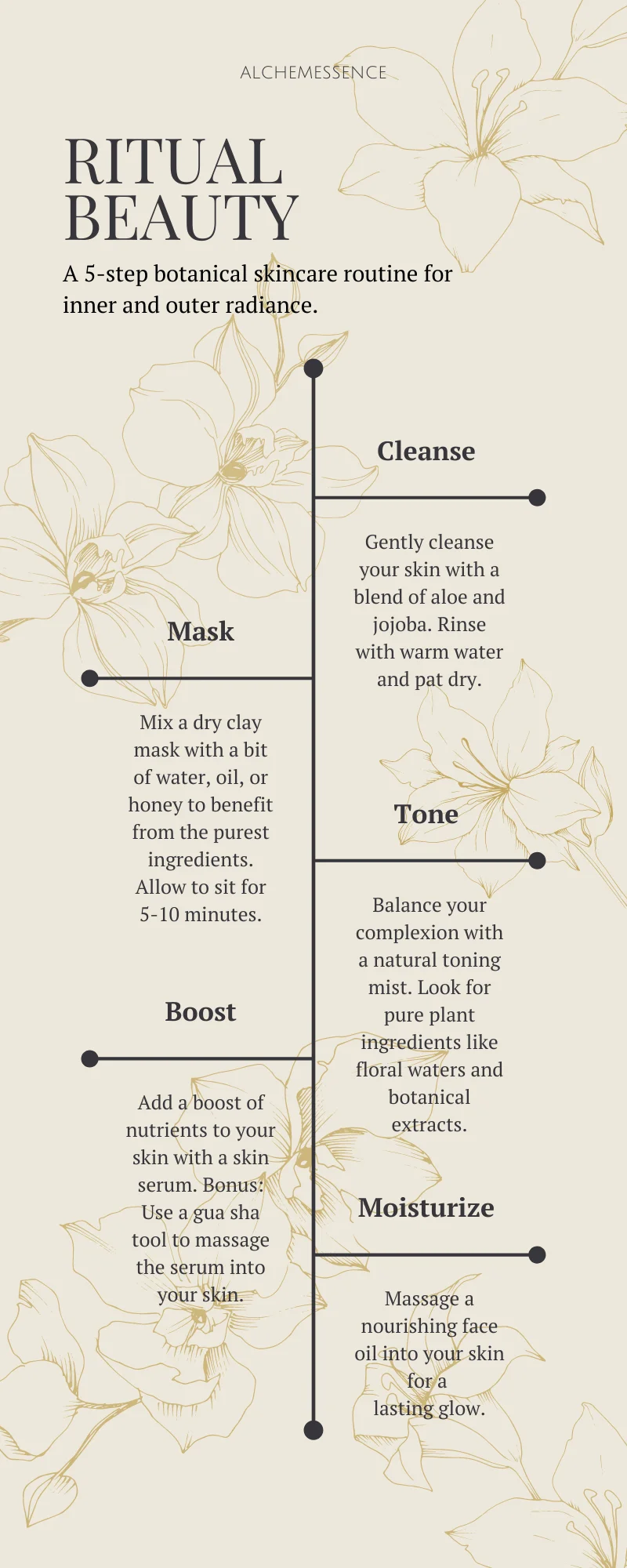
How Collagen Levels Change with Age
As we cross the age of 40, natural collagen production begins to slow down significantly. The decrease can be as much as 1% to 2% annually after this point. Environmental factors like sun exposure, smoking, and pollution can accelerate this decline. This dip in collagen isn’t just about aging; it directly impacts how our skin feels and looks. The natural slowdown means the skin’s ability to repair and regenerate becomes less efficient over time.
Visible Signs of Collagen Loss
When collagen diminishes, the changes become visible. You might notice fine lines becoming more pronounced, a loss of skin elasticity, and areas where the skin feels thinner or less hydrated. Crow’s feet around the eyes, nasolabial folds near the mouth, and general dullness often indicate lower collagen levels. Understanding these signs helps you recognize when it’s time to adjust or reinforce your skincare routine.
Essential Daily Skincare Rituals for Collagen Boosting
Morning Routine: Protection and Preparation
Starting your day with the right skincare routine sets the stage for collagen support. Cleansing your skin gently helps remove overnight impurities and prepares it for nourishment. Applying antioxidants like vitamin C serums in the morning is a powerful step — they protect skin cells from free radicals that can damage collagen fibers.
Sun protection is non-negotiable. UV rays break down collagen molecules, so using a broad-spectrum sunscreen daily preserves the structural integrity of your skin. Lightweight moisturizers containing peptides or hyaluronic acid help maintain hydration, ensuring your skin stays supple throughout the day.
Evening Routine: Repair and Nourishment
Nighttime is when your skin gets the chance to repair itself, making your evening routine critical for collagen support. A thorough cleansing is essential to remove makeup and environmental pollutants. Incorporating retinol or other vitamin A derivatives can stimulate collagen production by encouraging skin cell turnover.
Follow up with richer moisturizers or serums that contain nourishing ingredients like niacinamide or ceramides. These help reinforce the skin barrier and promote elasticity. Consistency in your evening routine helps maximize your skin’s natural repair mechanisms overnight.
Weekly Treatments: Masks and Exfoliation
Weekly rituals provide a boost beyond daily care. Exfoliating gently once or twice a week removes dead skin cells and encourages new, healthy cells to surface, indirectly supporting collagen synthesis. Chemical exfoliants such as AHAs or BHAs can be particularly effective without the harshness of physical scrubs.
Using collagen-boosting masks infused with ingredients like vitamin C, peptides, or botanical extracts adds an extra layer of nourishment. These treatments can rejuvenate the skin, making it look brighter and firmer over time.
Natural Ingredients that Stimulate Collagen Production
Topical Vitamins and Nutrients
Vitamins are powerful allies in stimulating collagen. Vitamin C is essential for collagen synthesis and also acts as an antioxidant, defending skin against environmental damage. Vitamin E complements this by protecting cell membranes from oxidative stress. Niacinamide helps improve skin elasticity, while peptides serve as messengers that signal skin cells to produce more collagen.
Herbs and Botanical Extracts
Nature offers plenty of ingredients known for collagen-boosting properties. Extracts like green tea, aloe vera, and ginseng not only hydrate but also have antioxidant effects that fight collagen degradation. Gotu kola is a notable herb that enhances collagen formation and aids in wound healing, making it a popular choice in natural skincare products.
DIY Natural Skincare Recipes
Making your own skincare concoctions can be fun and surprisingly effective. For example, combining honey with lemon juice and a bit of aloe vera gel can create a hydrating, antioxidant-rich mask perfect for weekly use. Another easy recipe involves mixing mashed papaya with yogurt, both of which contain enzymes and nutrients that support skin renewal and collagen synthesis. Just remember to patch test any new blend to avoid irritation.
Lifestyle Habits to Complement Your Skincare Routine
Diet and Hydration Strategies
Skincare isn’t just what you apply externally—it’s also what you consume. Eating a diet rich in lean proteins, fruits, and vegetables provides the amino acids and vitamins necessary for collagen production. Foods high in vitamin C like oranges and strawberries are particularly beneficial. Staying well-hydrated keeps your skin plump and facilitates nutrient transport to skin cells.
Exercise and Facial Massage Techniques
Physical activity enhances circulation, which helps deliver oxygen and nutrients to the skin, supporting collagen maintenance. Facial massage stimulates blood flow and can promote lymphatic drainage, reducing puffiness and relaxing facial muscles. Simple techniques like gentle tapping or using tools such as jade rollers can aid in boosting collagen production naturally when done regularly.
Stress Management and Sleep Quality
Chronic stress can accelerate collagen breakdown by increasing inflammation and hormone imbalances. Mindfulness practices, deep breathing exercises, or yoga can reduce stress levels, indirectly benefiting your skin’s health. Adequate sleep is another cornerstone—this is when the body repairs itself, including the skin. Prioritizing rest helps maintain collagen levels and supports a radiant complexion.
Common Collagen Myths Debunked
Myth 1: Collagen Supplements Are the Only Solution
While collagen supplements have gained popularity, they are not the only path to boosting collagen. Your body synthesizes collagen from amino acids found in a balanced diet, and topical treatments alongside healthy habits play equally important roles. Relying solely on supplements overlooks the value of a comprehensive approach including skincare and lifestyle adjustments.
Myth 2: Expensive Products Guarantee Better Results

High price tags don’t always translate to effective collagen support. Sometimes, products with simple, well-researched ingredients like vitamin C, retinol, or peptides can deliver impressive results without hefty costs. The key is consistency and choosing formulations that suit your skin type rather than chasing luxury brands.
Summary: Creating a Personalized Collagen-Boosting Ritual
After 40, nurturing your skin’s collagen production becomes a priority for maintaining a youthful and healthy appearance. Understanding what collagen is and how it declines with age helps you appreciate the importance of daily skincare rituals. Combining protective morning habits with reparative evening routines sets a solid foundation.
Supplementing these with weekly treatments and natural ingredients enriches your approach, while lifestyle factors like diet, exercise, and stress management support your efforts from within. Avoid falling for common myths and focus on a balanced, consistent plan. Personalizing your ritual to include both science-backed products and nourishing habits will naturally boost collagen and help your skin glow with vitality.


