
Why Decluttering is Essential for Busy Parents
Psychological Benefits of an Organized Kids’ Space
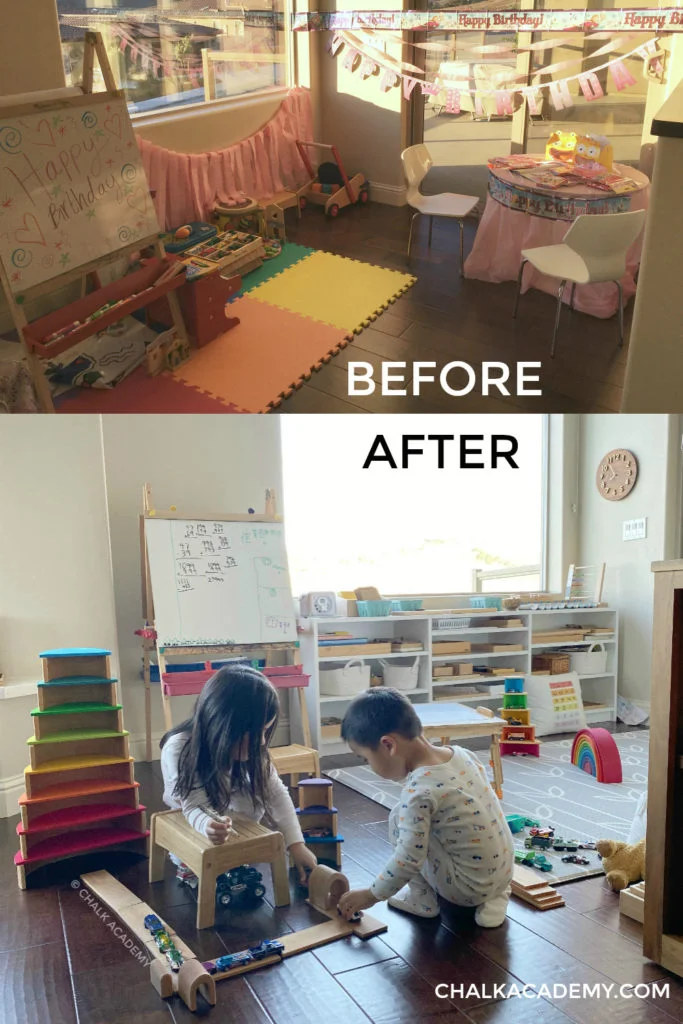
For busy parents, maintaining an organized kids’ room isn’t just about aesthetics—it profoundly impacts the psychological well-being of both children and adults. When toys and belongings are neatly arranged, children feel a sense of calm and security. An uncluttered environment fosters focus and creativity, allowing kids to engage more deeply with their play. Parents also experience reduced mental clutter, as an orderly space alleviates feelings of overwhelm and provides a visual respite from daily chaos.
Impact on Daily Routines and Stress Levels
Decluttering streamlines daily routines significantly. When toys are properly stored and spaces are organized, parents save valuable time searching for items. This efficiency reduces morning and bedtime stress, creating smoother transitions throughout the day. Moreover, a clean room minimizes trip hazards and disruptions, making the household environment safer and more peaceful. Overall, decluttering supports a more harmonious family rhythm, an essential factor for busy households.
Preparing for Decluttering: Planning and Mindset
Setting Realistic Goals and Timeframes
Before diving into decluttering, it’s crucial to establish clear and achievable goals. Break down the project into manageable segments rather than attempting to tackle everything at once. For example, focus on a single drawer, toy bin, or shelf during each session. Setting realistic timeframes prevents burnout and helps maintain motivation. Scheduling these tasks during quieter moments in the day or week ensures the process feels purposeful rather than overwhelming.
Involving Children in the Process
Encouraging kids to participate in decluttering teaches valuable lessons about responsibility and organization. Involving them not only speeds up the process but also empowers children to take ownership of their space. Approach the activity as a shared mission, allowing children to make decisions about which toys to keep or donate. This collaboration fosters communication and helps develop decision-making skills, all while making decluttering an engaging family activity rather than a chore.
Step-by-Step Guide to Organizing Toys
Sorting: Keep, Donate, or Discard
The first step in organizing toys is to sort them carefully. Gather all toys into one central location and evaluate each item based on use, condition, and sentimental value. Create three distinct piles: keep, donate, and discard. Toys that are broken or missing parts should be discarded responsibly. Items no longer used but still in good shape can be donated to community centers or charities. This method clears out unnecessary clutter and promotes generosity while preserving favorite playthings.
Storage Solutions Tailored for Kids’ Items
After sorting, consider storage options that suit children’s habits and needs. Use containers that are easily accessible and lightweight, such as clear bins or open baskets. Shelving units with adjustable heights can accommodate toys of various sizes. Incorporating furniture with built-in storage like ottomans or beds with drawers can maximize space efficiently. Selecting colorful or themed organizers may also make tidying up more appealing to kids, encouraging them to maintain order independently.
Creating Easy-to-Maintain Zones
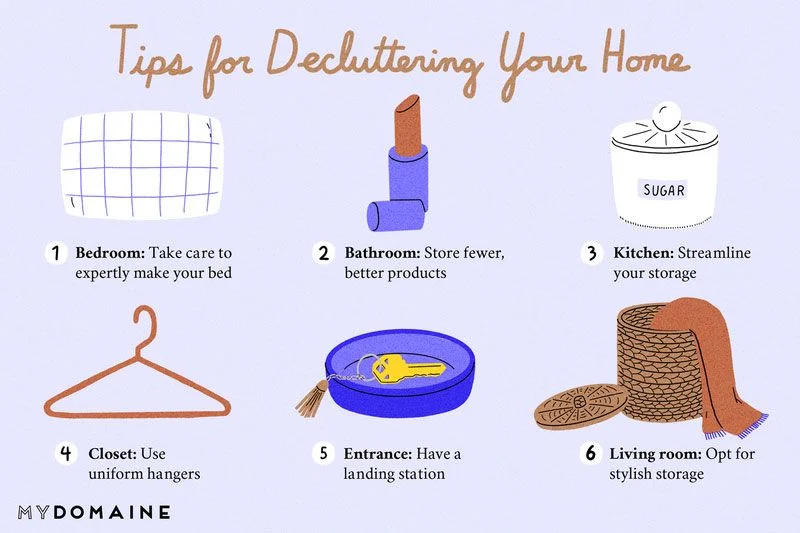
Dividing the room into dedicated zones simplifies organization. Allocate specific areas for different activities, such as a reading corner, a building block station, and a creative arts space. Assign storage containers to each zone to keep related toys together. This zoning strategy helps children know exactly where items belong, reducing random scattering. It also enables quick clean-ups, since each zone has a clear purpose and designated storage.
Practical Tips for Maintaining a Clutter-Free Kids’ Room
Daily Clean-Up Habits
Instilling a daily clean-up routine is one of the most effective ways to keep a kids’ room clutter-free. Encourage children to spend a few minutes at the end of each day tidying their spaces. Making this a regular habit prevents mess from accumulating and makes larger tidying sessions less daunting. Parents can join in or offer gentle reminders, turning clean-up time into a fun and rewarding moment rather than a battle.
Seasonal Toy Rotation Strategies
Toys can quickly overwhelm a room if all are accessible at once. Implementing a seasonal rotation system keeps the environment fresh and less cluttered. Store out-of-season toys in labeled bins out of reach, then swap them periodically. This approach not only reduces visual noise but also renews children’s interest in their toys as rotated items feel new again. It also helps parents manage storage space more effectively by limiting the number of toys in use simultaneously.
Expert Recommendations and Parenting Hacks
Maximizing Small Spaces
Many families struggle with limited room size, making smart use of space essential. Vertical storage options like wall-mounted shelves can free up floor area. Utilizing door organizers or hanging pockets creates additional storage without bulky furniture. Foldable or collapsible storage containers can be tucked away when not in use. These strategies maximize every square inch and maintain accessibility while keeping the room airy and uncluttered.
Using Labels and Visual Organization Tools
Labels are powerful tools for improving organization and encouraging independence in kids. Labeling bins and drawers with words or pictures helps children quickly identify where toys should go. Using transparent containers also aids visibility without needing to open every bin. Visual aids such as charts or checklists can remind kids of clean-up routines and storage locations. These techniques reduce confusion and foster a sense of order that lasts.


