
Understanding Split Ends: Causes and Prevention
What Are Split Ends?
Split ends, also known as trichoptilosis, occur when the protective outer layer of the hair cuticle wears away due to damage, causing the hair strand to split into two or more parts at the tip. This results in frayed, brittle ends that disrupt the smooth texture and overall health of the hair. Left untreated, split ends can travel further up the hair shaft, leading to extensive breakage and uneven hair length.

Common Causes of Split Ends
Split ends develop from repeated physical and environmental stress on hair strands. Frequent use of heat styling tools such as blow dryers, straighteners, and curling irons weakens the hair’s structure. Additionally, chemical treatments like coloring, perming, and relaxing strip essential oils and proteins from hair, leaving it vulnerable to splitting. Other factors include harsh brushing, exposure to sun, wind, and dry air, as well as inadequate moisture and nutrition supply to the hair.
How to Prevent Split Ends Naturally
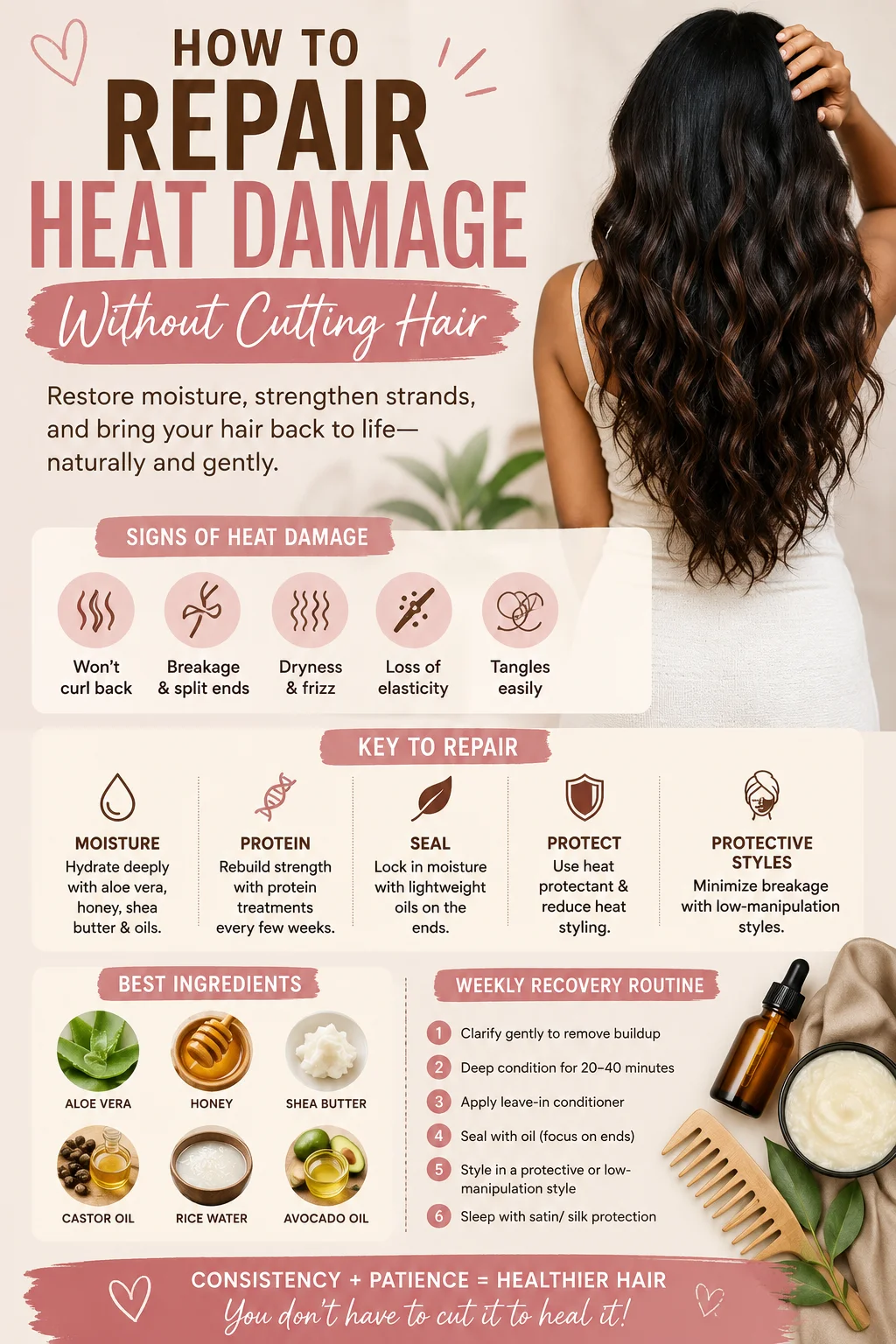
Prevention focuses on minimizing damage to the hair cuticle by adopting gentle hair care habits. Avoiding excessive heat styling and chemical treatments reduces the risk significantly. Instead, opt for natural alternatives to nourish and protect hair, such as regularly applying moisturizing oils and conditioners. Trimming the ends regularly removes weakened strands before they split further. Protecting hair from environmental aggressors by wearing hats or scarves and maintaining a healthy diet rich in vitamins can also help sustain hair strength and resilience.
Top DIY Natural Ingredients for Repairing Split Ends
Benefits of Coconut Oil
Coconut oil is a renowned natural remedy for hair repair because of its unique ability to penetrate the hair shaft and reduce protein loss. Rich in lauric acid, it strengthens hair from the inside out, lubricates, and seals the cuticle to prevent further splitting. Its moisturizing properties restore shine and elasticity, creating a protective barrier against mechanical damage from brushing and environmental factors.
Using Aloe Vera for Hair Repair
Aloe vera is a soothing plant extract packed with enzymes, vitamins, and amino acids that promote hair healing. Its hydrating qualities help restore moisture balance in dry, brittle ends, while its anti-inflammatory effects calm an irritated scalp. By smoothing the cuticle, aloe vera contributes to reducing frizz and splitting, gradually improving the appearance and feel of damaged hair.
Avocado Treatments to Strengthen Hair
Avocado is an excellent natural treatment rich in fatty acids, vitamins A, D, E, and proteins that nourish and reinforce weak hair strands. Its creamy texture makes it effective for deep conditioning, adding softness and flexibility to ends prone to breakage. Avocado’s antioxidants also protect hair from oxidative stress caused by UV rays and pollution, supporting long-term hair health.
Step-by-Step DIY Hair Treatments Without Heat or Chemicals
Simple Avocado and Honey Mask Recipe
To prepare this repairing mask, combine half a ripe avocado with two tablespoons of raw honey. The honey acts as a natural humectant, drawing moisture into the hair, while avocado supplies rich nutrients to restore strength. Apply the mixture evenly to damp hair, focusing on the ends, and leave it on for 30 to 45 minutes. Rinse thoroughly with lukewarm water. Using this mask once a week helps improve hair texture and reduces visible split ends without any heat or chemical exposure.
Coconut Oil Deep Conditioning Method
Warm two tablespoons of coconut oil until it becomes liquid but not too hot. Apply the oil gently from mid-length to the tips of clean, dry hair. Massage the scalp and ends for enhanced absorption, then cover your hair with a shower cap to trap warmth naturally. Leave the treatment on for at least an hour or overnight for intensive repair. Wash hair with a mild shampoo afterward. This simple method strengthens hair fibers, smooths the cuticle, and decreases further splitting efficiently.
Aloe Vera Gel Application for Split Ends
Extract fresh aloe vera gel from a leaf or use pure aloe vera gel available commercially. Apply it to the ends of freshly washed, towel-dried hair. Leave it unwashed to maximize hydration and cuticle protection. Aloe vera works best when used consistently after every wash, gradually improving hair softness and fortifying damaged ends, all without harsh additives or heat processing.
Additional Tips to Maintain Healthy Ends
Proper Hair Handling and Combing Techniques
Rough handling is a major contributor to split ends. Avoid vigorous towel drying or aggressive brushing. Instead, gently squeeze out water and use a wide-tooth comb or fingers to detangle hair, starting from the tips and working upward. This method reduces tension and prevents mechanical damage. Avoid combing hair when it is soaking wet since wet hair is more elastic and prone to breakage.
Using Natural Oils for Regular Maintenance
Incorporating lightweight natural oils like argan oil, jojoba oil, or sweet almond oil into your routine can seal moisture and protect hair ends daily. Applying a small amount of oil after washing or styling locks in hydration and smooths the cuticle, preventing split ends from recurring. Oils also add a natural sheen and softness, making hair more manageable without weighing it down.
Diet and Hydration for Strong Hair
Hair health begins from within. A balanced diet rich in proteins, omega-3 fatty acids, vitamins (especially biotin, vitamin E, and C), and minerals supports the growth of strong, resilient hair. Drinking plenty of water keeps the scalp and hair strands hydrated, preventing dryness that leads to split ends. Nutritional deficiencies can cause brittle hair, making natural treatments less effective.
When to Consider Professional Help
Signs Split Ends Are Beyond Home Treatment
While DIY treatments can significantly improve hair condition, there are times when professional intervention is necessary. If split ends have spread extensively up the hair shaft, causing noticeable thinning, tangling, or breakage, home remedies may not be sufficient. Persistent dullness and lack of response to natural care after several weeks also indicate the need for expert assessment and possibly a trim to remove damaged sections.
Choosing Heat- and Chemical-Free Salon Services
When seeking professional help, look for salons that offer gentle, non-invasive treatments tailored to hair repair. Many places now provide organic conditioning treatments and trimming techniques designed to preserve hair integrity without using heat or harsh chemicals. Consulting with a stylist knowledgeable about natural hair care ensures your strands are nurtured with care and not subjected to further damage from aggressive products or styling methods.


