
Introduction to Hip Mobility Challenges in Seniors
As people age, maintaining hip mobility can become increasingly difficult. This decline is often caused by natural wear and tear, reduced activity levels, and conditions such as arthritis or muscle stiffness. Limited hip mobility can affect balance, walking ability, and overall independence, making everyday tasks more challenging. Fortunately, there are simple and effective ways for seniors to improve hip function without the need for strenuous workouts. Chair exercises offer a practical solution, allowing seniors to gently work on their hip mobility from a seated position, reducing the risk of falls and injury.
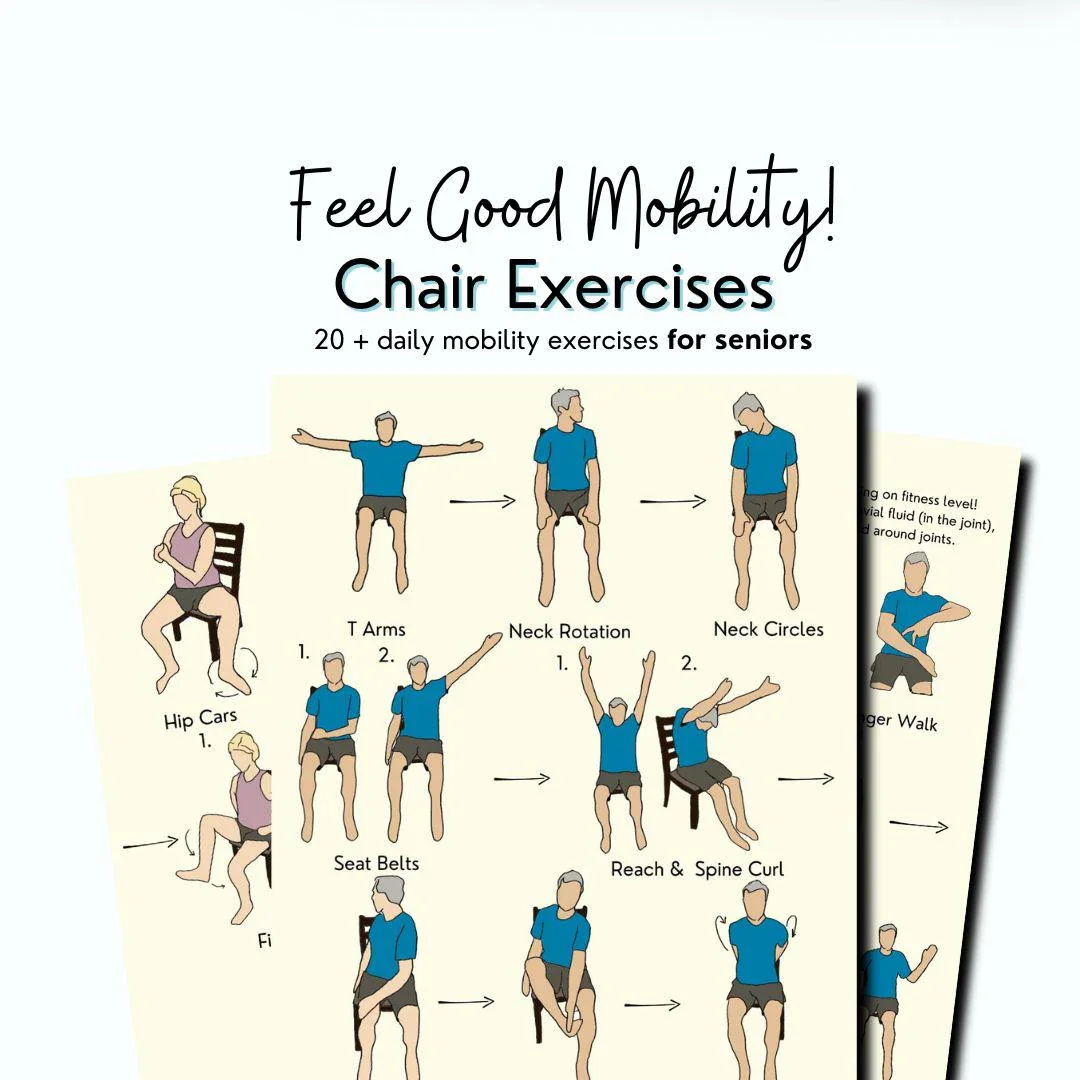
Benefits of Chair Exercises for Hip Mobility
Physical Advantages
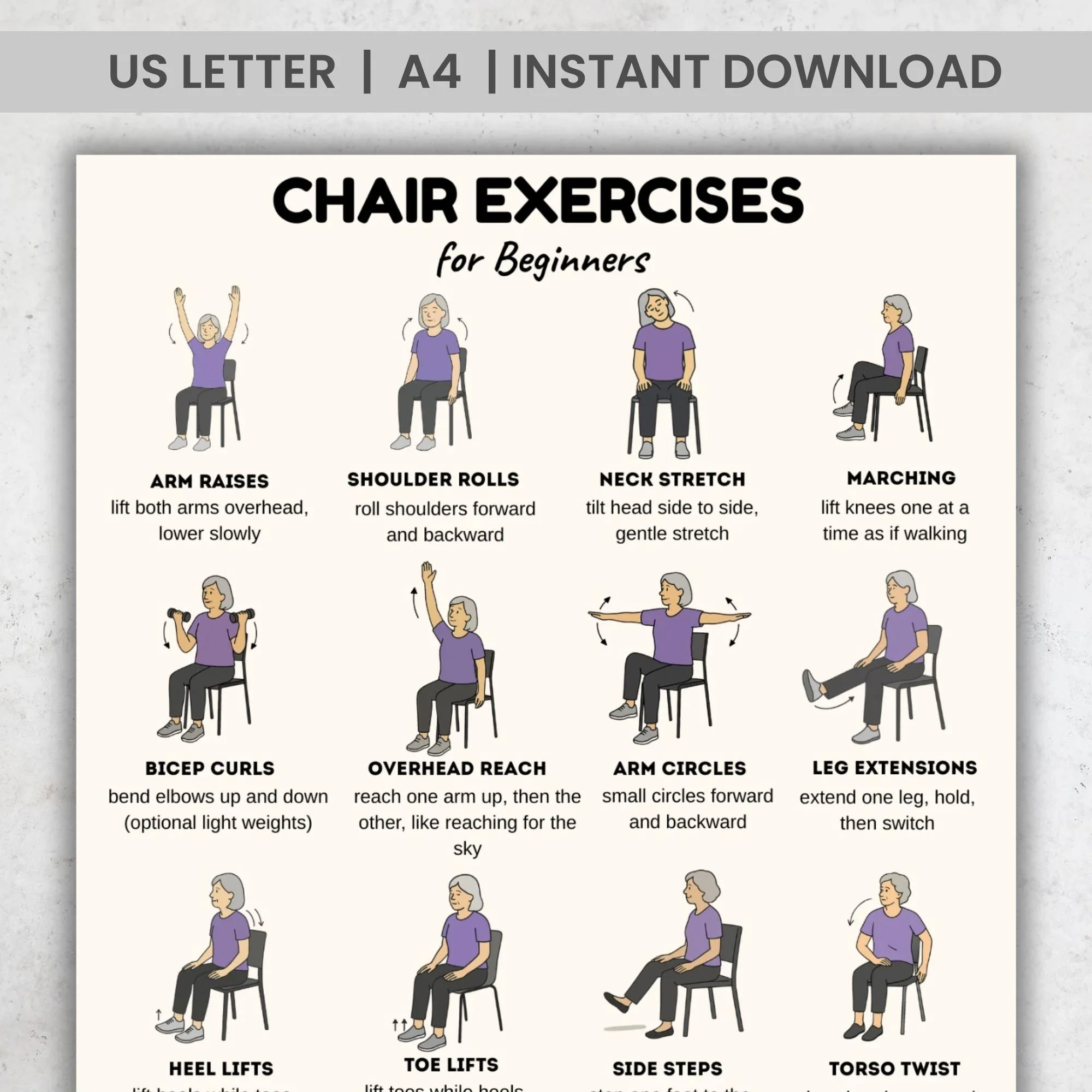
Chair exercises target key muscles around the hips, including the hip flexors, extensors, and rotators, which tend to weaken with age. Improving strength and flexibility in these areas helps reduce stiffness, promote better joint function, and increase the range of motion. This leads to enhanced walking stability, less pain during movement, and a lower risk of falls. Because these exercises are done while seated, they place minimal stress on joints, making them accessible to seniors with limited mobility or chronic conditions.
Mental and Emotional Well-being
Beyond physical benefits, chair exercises can boost confidence and promote a sense of accomplishment. Regular movement helps release endorphins, which improve mood and reduce feelings of isolation or depression that sometimes accompany mobility challenges. Maintaining independence through improved hip mobility also fosters a positive outlook and encourages seniors to stay active in other areas of their lives.
Preparation Before Starting Chair Exercises
Safety Tips
A common barrier to starting any exercise program is fear of injury. Before beginning chair exercises, it’s crucial to choose a sturdy, stable chair without wheels, preferably with armrests for added support. Ensure the exercise area is free of obstacles and has sufficient lighting. Seniors should start slowly and listen to their bodies, stopping if they experience pain or discomfort. It may also help to have someone nearby during the initial sessions for reassurance and assistance if needed.
Recommended Equipment
While no special equipment is necessary, some tools can enhance the exercises. A resistance band can be used for added challenge in leg lifts or side raises, while a small cushion may provide extra comfort during seated stretches. Supportive footwear or non-slip socks improve stability when performing transitions from sitting to standing. However, it’s perfectly acceptable to start with just a sturdy chair until confidence and strength increase.
Top 7 Easy Chair Exercises to Improve Hip Mobility
Seated Hip March
The seated hip march mimics walking motion while sitting, helping to gently activate hip flexors and improve coordination. Lift one knee toward the chest, lower it back down, and alternate legs. This exercise helps reduce stiffness and encourages fluid hip movement.
Leg Lifts
Leg lifts strengthen the muscles around the hips and thighs. While sitting, extend one leg straight out and hold it for a few seconds before lowering. This controlled motion supports joint stability and helps improve muscle tone.
Hip Circles
Hip circles involve rotating the legs in a circular motion while seated, which loosens the hip joints and increases flexibility. Perform slow, deliberate circles in both directions to prevent strain and enhance joint lubrication.
Seated Figure Four Stretch
This stretch targets the outer hip and gluteal muscles. Cross one ankle over the opposite knee, creating a figure four shape, then gently lean forward to deepen the stretch. It helps alleviate tightness and increases hip range of motion.
Chair Pigeon Pose
A modified version of the yoga pigeon pose, this exercise opens the hip joint and stretches the hip rotators. Position one leg bent with the ankle resting near the opposite knee, then lean slightly forward. It’s effective for reducing hip and lower back tension.
Side Leg Raises
Side leg raises improve the strength of the hip abductors, muscles critical for lateral stability. Sitting upright, slowly lift one leg out to the side and lower it back down. This movement supports balance and prevents falls.
Seated Knee Extensions
Knee extensions strengthen the quadriceps, which play a pivotal role in hip and knee joint support. From a seated position, straighten one leg and hold it before lowering. This exercise enhances both hip mobility and lower limb strength.
How to Create a Weekly Routine Incorporating Chair Exercises
Frequency and Duration
To achieve noticeable improvements, consistency is key. Aim to perform chair exercises three to five times per week, with sessions lasting 15 to 20 minutes. Starting with shorter duration and fewer repetitions can help prevent overexertion. Gradually increase the intensity as strength and flexibility improve. Remember to warm up gently before exercises and cool down to reduce muscle tightness after.
Progress Tracking Tips
Keeping track of progress motivates continued effort and helps identify areas that need extra attention. Seniors can maintain a simple journal noting the exercises done, number of repetitions, and any improvements in daily movement or pain levels. Setting small, achievable goals fosters a sense of accomplishment and guides adjustments to the routine as needed. Feedback from family members or caregivers can also provide valuable insights.
When to Consult a Healthcare Professional
Seniors should seek medical advice before starting any new exercise program, especially if they have pre-existing conditions such as severe arthritis, osteoporosis, or cardiovascular issues. Immediate consultation is advised if exercises cause sharp pain, swelling, or dizziness. Healthcare professionals can offer personalized recommendations, modifications, or refer physical therapy if necessary. Collaborating with experts ensures exercises are safe, effective, and aligned with individual health needs.


