
Why Meal Prep Is a Game-Changer for Working Parents
Time-saving benefits
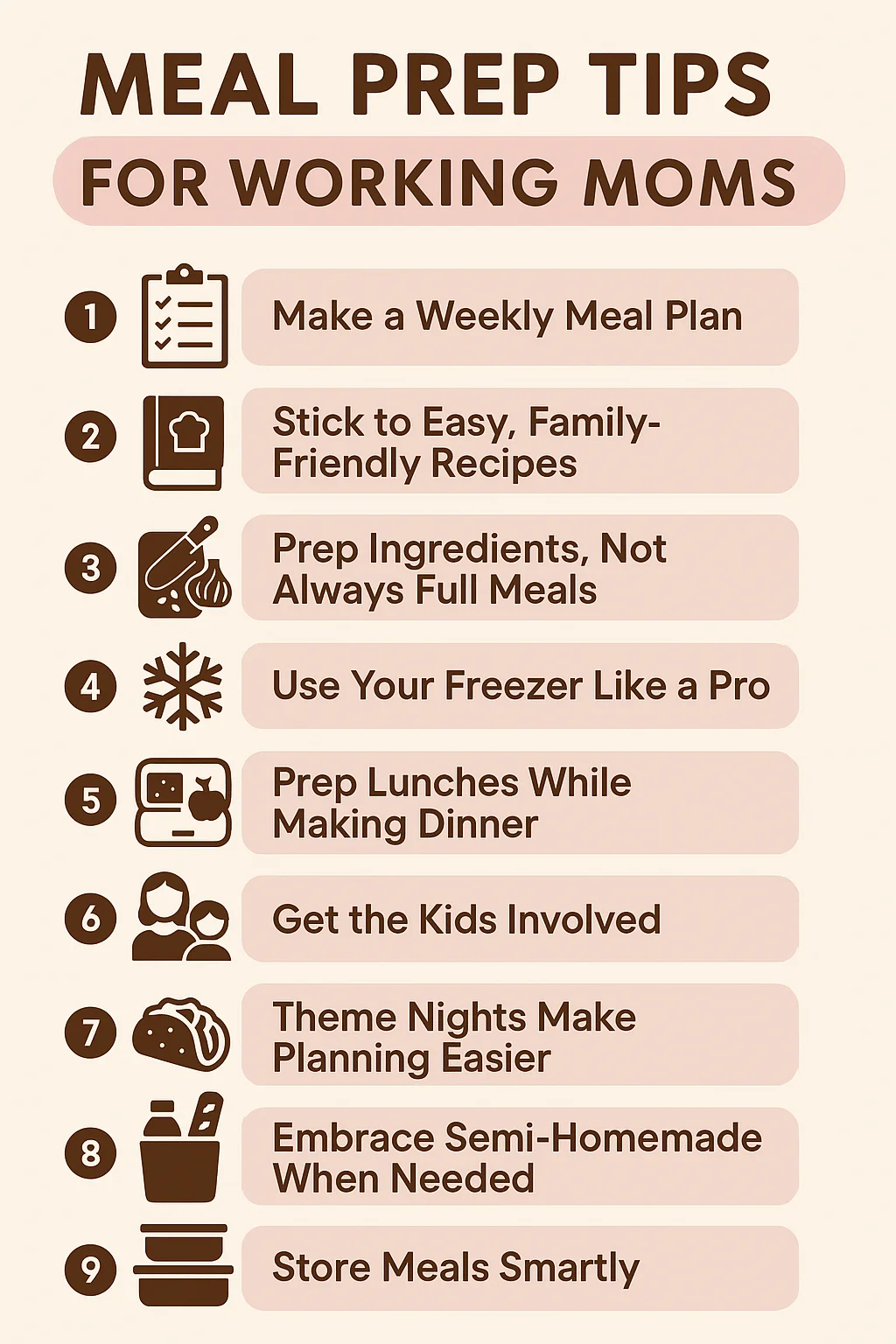
For working parents, time is a precious commodity that seems to slip away all too quickly each day. After a hectic morning routine and a full workday, the last thing many want to face is the dinner rush. Here’s where meal prepping steps in as a true lifesaver. By dedicating a small chunk of time on weekends to prepare meals in advance, parents can reclaim their evenings. Imagine coming home to find lunchboxes ready or dinner heating up in the oven without the need to start from scratch. This simple shift saves countless minutes daily, freeing up more time for meaningful family interactions or even a moment to unwind.
Reducing stress during busy weekdays
One working mother shared how meal prep transformed her evenings from frantic to manageable. Previously, dinner decisions were last-minute, leading to stress and often unhealthy fast-food alternatives. With a weekly prep plan, she now avoids the decision fatigue of “what’s for dinner?” Each meal is pre-thought, prepped, and often partially cooked. This eases the mental load after a long day, reduces the need to rush grocery trips, and creates a calming, predictable routine that benefits both parents and children.
Getting Started: Essential Tools for Easy Meal Prep
Must-have kitchen gadgets
Starting meal prep can feel overwhelming without the right tools. However, a few key kitchen gadgets make a world of difference. A slow cooker, for example, allows you to place all ingredients in the morning and come back to a fully cooked meal. Similarly, a good quality blender is invaluable for quick smoothies or sauces. Investing in a sharp chef’s knife and a sturdy cutting board can also cut down prep time significantly. One father found that a food processor became his secret weapon, chopping vegetables in seconds, making his Sunday session much more efficient.
Storage containers and labeling tips
Once meals are ready, proper storage is crucial to maintain freshness and organization. Using stackable, clear containers allows for easy identification and maximizes fridge space. Labeling each container with the meal name and date makes it easy to rotate food and avoid waste. Many parents use erasable markers or small sticky notes to keep track, turning the fridge into a streamlined meal station. One working parent shared how color-coded lids for different family members’ meals helped prevent mix-ups during busy mornings.
Top 5 Quick and Nutritious Meal Prep Ideas
Breakfast options to grab and go
Morning time is often a whirlwind, making grab-and-go breakfasts a necessity. Overnight oats are a classic example—just mix oats with milk or yogurt and some fruit the night before, and a wholesome breakfast is ready to eat. Egg muffin cups, made by baking eggs with veggies in a muffin tin, can be refrigerated and quickly reheated. Another parent found success preparing smoothie packs: frozen fruit and spinach measured out in bags so blending is quick and mess-free.
Lunch and dinner recipes that reheat well
Not all meals reheat equally well, so selecting dishes that maintain flavor and texture is key. Recipes like chili, stir-fries, and baked pasta dishes are favorites because they taste just as good warmed up. A working dad shared how making a big batch of chicken fajita bowls, with seasoned chicken and sautéed peppers, allowed his family to customize meals easily, saving dinner prep time without sacrificing variety or nutrition. Soups and stews are also excellent—they often improve in flavor after a day.
Step-by-Step Guide to Weekly Meal Planning
Choosing recipes that complement each other
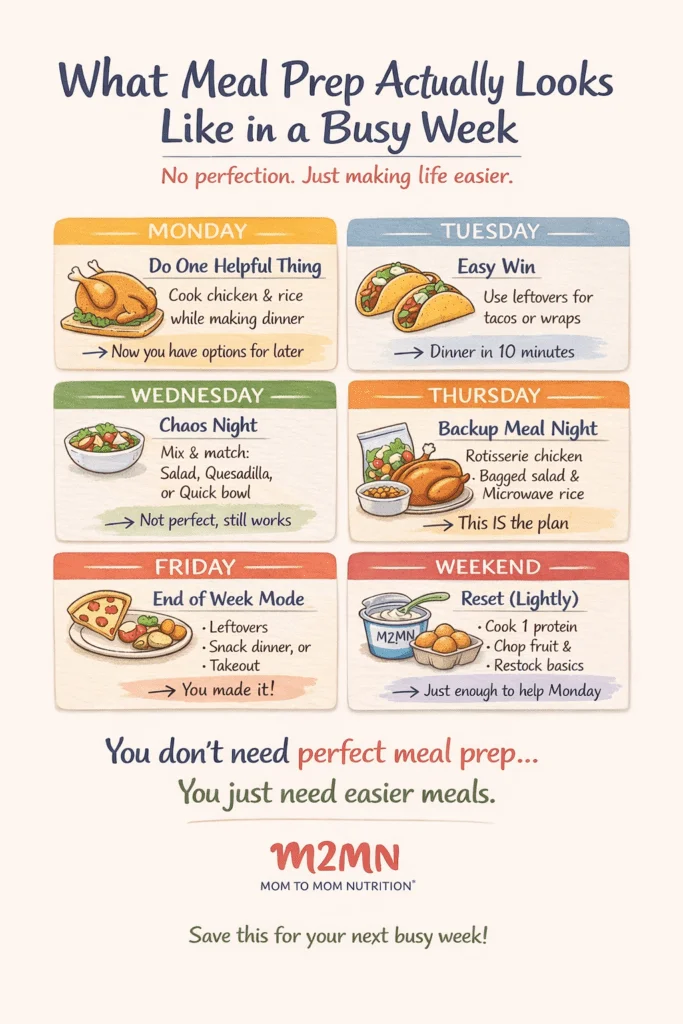
When planning meals for the week, selecting recipes that share ingredients reduces trips to the grocery store and waste. For instance, if a recipe calls for roasted vegetables, plan another meal that incorporates those leftovers into a wrap or salad. This approach not only saves money but also cuts down on cooking time. Parents often find that building a “meal family” with overlapping components makes meal prep less overwhelming and more creative. For example, grilled chicken prepared for dinner can be repurposed for lunch wraps the next day.
Creating an efficient grocery list
After deciding on meals, creating a precise grocery list is essential. Instead of jotting down random items, categorize the list by sections like produce, dairy, and pantry. One working mother explained how using a meal planning app helped her create a shareable list that her partner could follow on grocery runs. This prevents forgotten ingredients and multiple trips to the store. Additionally, checking what’s already in the pantry before shopping avoids buying duplicates, saving both money and space.
Tips to Involve Kids in Meal Prep Without Adding Stress
Age-appropriate tasks
Getting children involved in meal prep can foster independence and create quality bonding time, but it must be done thoughtfully to avoid added stress. Younger children might enjoy washing veggies or mixing ingredients, while older kids can handle chopping soft vegetables or assembling meals. One working parent found that assigning simple, regular tasks to her children turned meal prep into a fun family routine rather than a chore. This also builds useful skills and confidence in the kitchen.
Making it fun and educational
Turning meal prep into a playful activity can hold kids’ attention and reduce resistance. Sing-along songs, creating colorful meals together, or turning cooking into a team challenge makes the process enjoyable. Parents also use this time to teach children about nutrition, explaining why certain foods are good for their bodies. A father shared how involving his kids in choosing recipes encouraged them to try new foods, reducing mealtime battles later in the week.
Storing and Reheating: Maximizing Freshness and Flavor
Best practices for storing prepped meals
Proper storage can be the difference between a tasty meal and a disappointing one. Meals should be cooled to room temperature before refrigeration to prevent condensation, which causes sogginess. Dividing large batches into individual portions helps with quick reheating and prevents waste. Use airtight containers to maintain moisture and prevent odors from transferring. Freezing meals that won’t be eaten within a couple of days is also a great way to extend shelf life, with the added benefit of a ready meal on very busy days.
Reheating techniques to retain taste and texture
Reheating meals might seem straightforward, but subtle techniques preserve quality. For instance, reheating baked dishes in the oven or toaster oven rather than the microwave keeps textures crisp. Adding a splash of water before microwaving rice or pasta dishes prevents them from drying out. When reheating soups, doing it slowly on the stove rather than high heat in the microwave enhances flavor and prevents uneven warming. Practicing these methods can turn leftover meals into just-as-enjoyable second servings.


