
Understanding Mindfulness and Its Importance for Parents
What is Mindfulness?
Mindfulness is the practice of maintaining a focused awareness on the present moment. It involves observing thoughts, feelings, and surroundings without judgment. For parents, this means being fully engaged with their children and daily experiences instead of getting lost in distractions or stress.
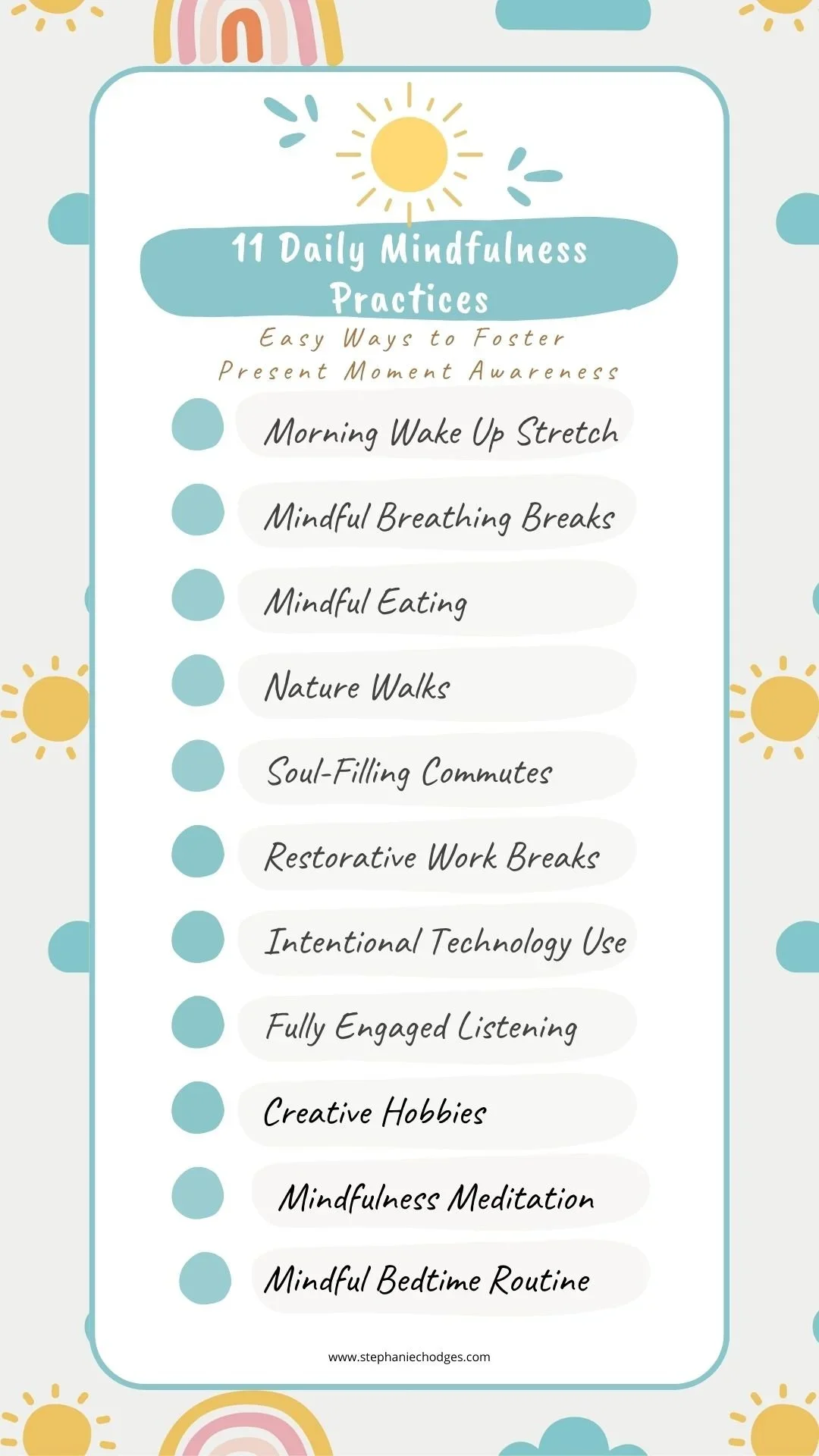
The Impact of Mindfulness on Parenting
Mindfulness can significantly improve parenting by reducing stress and increasing patience. When parents practice mindfulness, they respond more thoughtfully rather than reacting impulsively. This leads to better communication, stronger emotional connections, and a calmer household environment. Being present also helps parents recognize their children’s needs more clearly and promotes healthier relationships.
Simple Mindfulness Habits to Incorporate Daily
Morning Mindfulness Rituals to Start Your Day Calm
Starting the day with mindfulness sets a peaceful tone. Parents can spend a few minutes after waking up focusing on their breath or simply noticing sensations in their body. This brief moment of calm prepares the mind for daily challenges and helps in approaching tasks with clarity and patience.
Mindful Breathing Techniques During Stressful Moments
When stress arises, mindful breathing is a powerful tool to regain control. Taking slow, deep breaths allows parents to calm their nervous system and pause before reacting. Even a minute of focused breathing can reduce tension and increase emotional regulation, helping parents respond more compassionately to their children.
Using Meal Times as Mindful Breaks
Meal times offer a natural opportunity for mindfulness. Parents can turn off distractions like phones and TVs to fully focus on the food and family interactions. Paying attention to tastes, textures, and conversations cultivates presence and strengthens family bonds.
Integrating Mindfulness with Parenting Activities
Mindful Listening to Enhance Communication with Children
Mindful listening involves giving full attention to a child’s words and nonverbal signals. It means putting aside distractions and being genuinely curious. This practice encourages children to feel heard and understood, which fosters trust and openness in the parent-child relationship.
Engaging in Mindful Play and Quality Time
Playtime can be transformed into a mindful experience by focusing fully on the moment. Parents can immerse themselves in activities without multitasking, appreciating the joy and creativity their children express. This deep engagement enhances connection and creates meaningful memories.
Quick Mindfulness Practices for Busy Parents
1-Minute Meditation Moments
Even short bursts of mindfulness can have lasting effects. Parents can carve out one minute during hectic moments to close their eyes, breathe deeply, and reset their mental state. This quick meditation helps reduce overwhelm and promotes calmness throughout the day.
Mindful Walking Around the House or Neighborhood
Walking mindfully encourages awareness of body movements and surroundings. Parents can notice the sensation of their feet touching the ground or observe the colors and sounds in their environment. This simple practice brings grounding and a fresh perspective amid busy routines.
Tools and Resources to Support Your Mindfulness Practice
Apps, Podcasts, and Books Recommended for Parents
Many resources can guide parents in mindfulness. Apps like Headspace or Calm offer short sessions tailored for busy schedules. Podcasts provide accessible insights and inspiration, while books such as “The Mindful Parent” deliver practical strategies for daily life. These tools support ongoing growth and deepen understanding.
Creating a Calm Space at Home for Mindfulness
Designating a quiet area in the home encourages regular mindfulness practice. A peaceful corner with comfortable seating, soft lighting, or calming objects can serve as a daily reminder to pause and be present. This space can help parents recharge and maintain balance despite the household’s busyness.
Mindfulness as a Long-Term Lifestyle Change
Building Consistency and Making Mindfulness a Habit
Adopting mindfulness as a lifestyle requires patience and repetition. Small, consistent practices integrated into daily routines gradually build a stronger habit. Parents benefit from reminders and realistic goals, avoiding pressure for perfection while celebrating progress.
Measuring the Benefits Over Time for You and Your Family
Over time, mindfulness leads to noticeable improvements in emotional well-being and family dynamics. Parents often experience less stress, more joy, and greater connection with their children. Observing these positive changes reinforces the value of mindfulness and motivates continued practice.


