
Understanding Morning Stiffness in Older Adults
Common Causes and Symptoms
Morning stiffness is a frequent complaint among older adults. It often arises from decreased joint lubrication, muscle tightness, or underlying conditions like arthritis. Symptoms include limited joint movement, discomfort upon waking, and a feeling of rigidity that gradually eases with activity.
Impact on Daily Life and Well-being
This stiffness can significantly affect independence and quality of life. It may slow down morning routines, reduce motivation for physical activity, and increase the risk of falls or injuries. Managing stiffness early helps maintain mobility and promotes overall well-being.
Benefits of Incorporating Morning Mobility Exercises
Improving Flexibility and Circulation
Engaging in gentle movement upon waking stimulates blood flow and increases flexibility. This helps muscles warm up and joints become more lubricated, easing stiffness and preparing the body for daily tasks.
Enhancing Joint Health and Reducing Pain
Regular mobility exercises can slow joint degeneration and reduce discomfort associated with inflammation. Consistent movement encourages production of synovial fluid, which cushions joints and supports healthy cartilage.
Gentle Warm-Up Routine to Start the Day
Breathing and Stretching Techniques
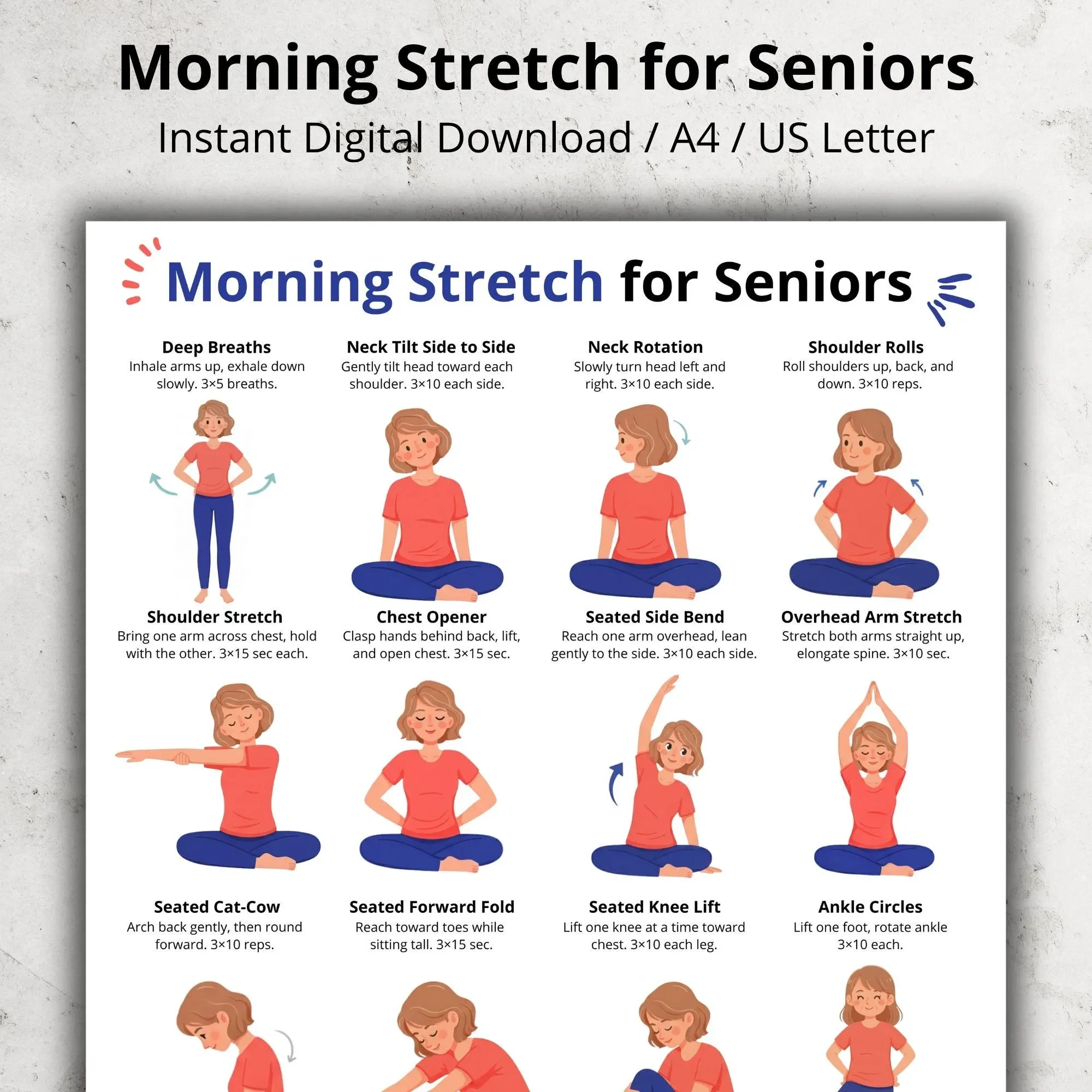
Begin with deep, controlled breathing to increase oxygen intake and promote relaxation. Combine this with gentle stretches targeting major muscle groups to gradually ease tension and enhance circulation.
Simple Range of Motion Movements
Include slow, deliberate movements such as shoulder rolls and ankle circles to awaken the joints. These exercises help maintain or improve joint flexibility without placing strain on the body.
Top 5 Easy Morning Mobility Exercises
Neck and Shoulder Rolls
This exercise gently loosens the neck and shoulder muscles. Slowly roll the neck in a circular motion and follow with shoulder rolls to increase circulation and release tension.
Seated Spinal Twists
While seated, turn the upper body gently from side to side. This movement enhances spinal flexibility and promotes lower back mobility, supporting comfortable posture throughout the day.
Standing Leg Swings
Hold onto a stable surface and swing each leg forward and backward slowly. This exercise improves hip mobility and balance, key factors for reducing stiffness and preventing falls.
Hamstring Stretch Using a Chair
Place one foot on a chair, keeping the leg straight, and lean forward gently to stretch the hamstrings. This helps counteract tightness common in older adults, improving overall leg flexibility.
Wrist and Ankle Circles
Rotate wrists and ankles in controlled circles. These movements promote joint lubrication and flexibility, which are essential for daily activities like walking and using hands efficiently.
Tips for Safe and Effective Exercise Practice
Listening to Your Body and Avoiding Overexertion
It’s important to pay attention to any signals of pain or discomfort. Exercises should be done within a comfortable range of motion, avoiding sudden or forceful movements that might cause injury.
Adapting Exercises for Different Mobility Levels
Modify exercises based on individual ability. For example, seated options can replace standing movements, and the range of motion can be reduced. Consulting a healthcare provider before starting is advisable for those with chronic conditions.
Integrating Mobility Workouts Into a Daily Routine
Creating a Consistent Morning Schedule
Setting a regular time for morning mobility exercises helps build a habit. Starting with just five to ten minutes daily can lead to lasting improvements in flexibility and comfort.
Combining Mobility with Other Healthy Morning Habits
Pairing mobility exercises with hydration, a balanced breakfast, or mindfulness activities can enhance overall health. A holistic morning routine supports both physical and mental well-being throughout the day.


