
Understanding Jet Lag and the Importance of Morning Stretching
What Causes Jet Lag?
Jet lag occurs when your internal body clock, or circadian rhythm, is out of sync with the local time after traveling across multiple time zones. This disruption often leads to fatigue, difficulty concentrating, and disturbed sleep patterns. The main culprit is the rapid change in daylight exposure, which confuses the body’s natural signaling system. As a result, travelers may experience sluggishness and a general feeling of imbalance shortly after arrival.
How Morning Stretching Can Help Reset Your Body Clock
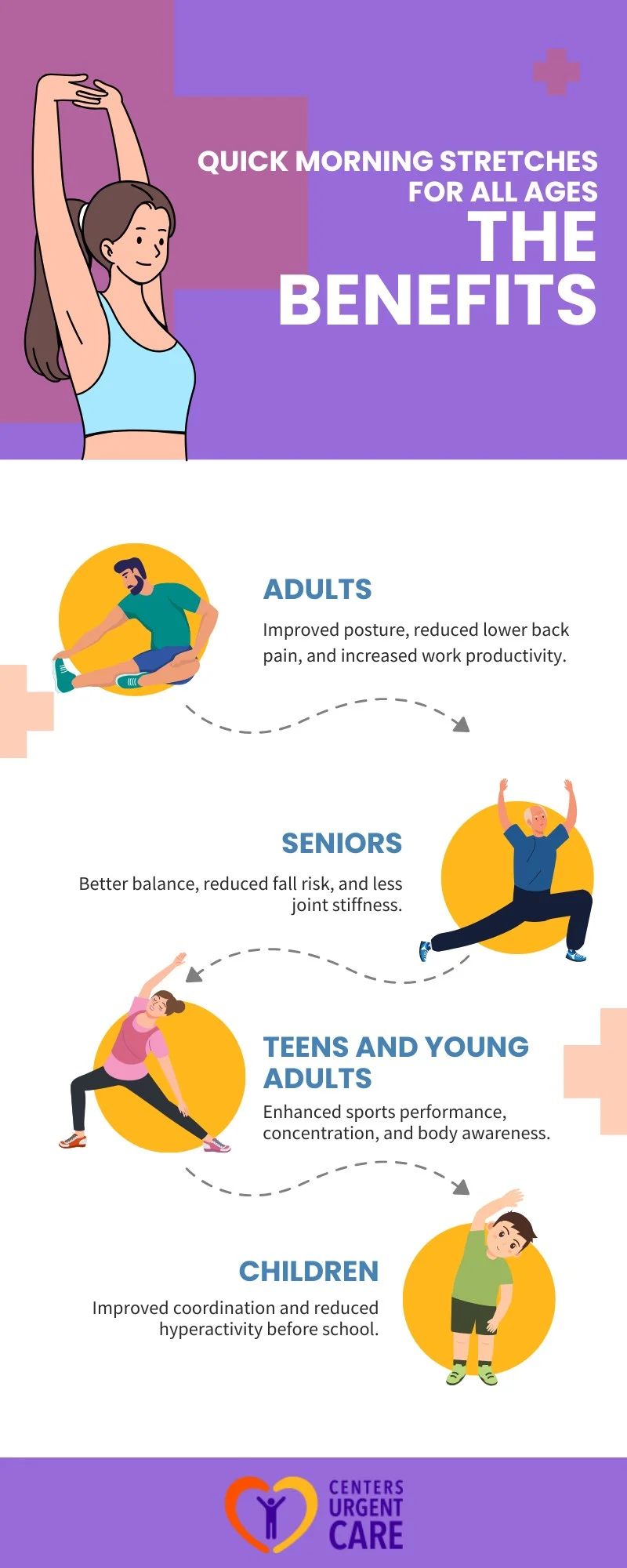
Morning stretching plays a crucial role in combating the effects of jet lag by gently engaging the body and mind to transition into the new time zone. Stretching stimulates circulation and increases blood flow, which can help reduce stiffness and mental fog caused by long flights and inactivity. More importantly, incorporating stretching into a morning routine encourages exposure to natural light and signals to your body that it’s time to wake up, supporting the realignment of your internal clock. This combination aids in adjusting faster to local schedules and improves overall energy levels during travel days.
Top 5 Simple Morning Stretches for Travelers
Neck and Shoulder Loosening
After hours of sitting on a plane, neck and shoulder muscles can become tense and stiff, contributing to discomfort and headaches. Gentle neck rolls and shoulder shrugs help to release this tension gradually. Instead of forcing intense movements, the key is to focus on slow, controlled stretches that encourage relaxation. This practice loosens tight muscles and prepares your body for movement throughout the day.
Spinal Twists to Improve Flexibility
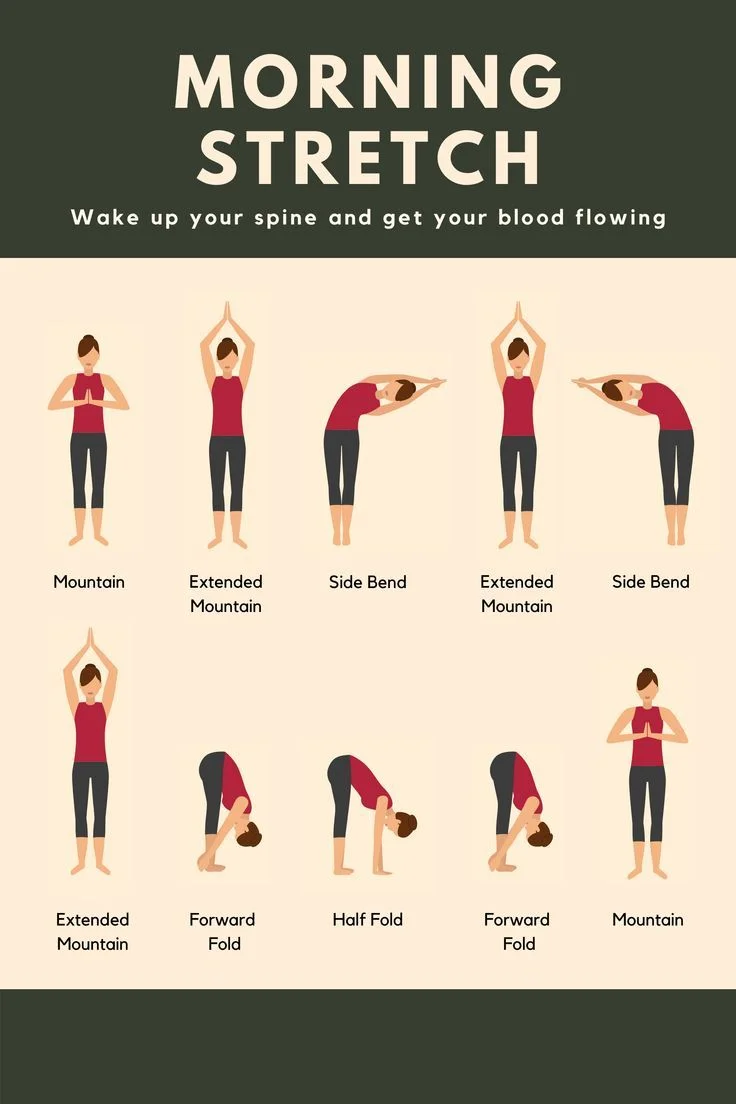
Jet lag often results in prolonged periods of immobility, which can cause stiffness in the spine. Incorporating spinal twists into your morning routine helps to increase flexibility and improve spinal mobility. This stretch also stimulates the nervous system and improves circulation around the torso, which may help alleviate fatigue and discomfort caused by long flights.
Hamstring and Calf Stretches
Leg muscles like the hamstrings and calves tend to tighten after sitting for extended periods, leading to stiffness and even cramps. Stretching these muscles carefully supports blood flow and can prevent muscle soreness. Given their large role in overall mobility, keeping them loose ensures you feel more energized and less lethargic during your travel day.
Full Body Reach and Side Stretches
Integrating full body reaches and side stretches into your routine provides a gentle wake-up call for your entire musculature. These movements help lengthen muscles and open up the chest, encouraging deeper breathing and enhanced oxygen intake. This can be particularly refreshing in the morning and helps to break the cycle of jet lag-related sluggishness.
Breathing Exercises to Enhance Relaxation
Focusing on deep, rhythmic breathing while stretching not only supports physical relaxation but also helps calm the mind. Controlled breathing encourages oxygen flow, reduces stress hormones, and promotes a balanced nervous system, which is essential when dealing with jet lag. Adding a few moments of mindful breathing into your morning stretches can set a positive tone for the rest of the day.
Creating a Personalized Stretch Routine for Travel Days
Assessing Your Flexibility and Time Constraints
Travel days often come with tight schedules and unpredictable circumstances, making it important to customize your stretch routine to fit your needs. Begin by evaluating your current flexibility and physical condition to choose stretches that feel comfortable and beneficial. If time is limited, prioritizing shorter, targeted stretches that address common tension areas—such as the neck, shoulders, and legs—can still offer meaningful relief without requiring a large time commitment.
Combining Stretches for Maximum Effect
To maximize the benefits of morning stretches on travel days, blend stretches that target different muscle groups and incorporate breathing exercises. For instance, start with neck loosening movements, move into spinal twists, then proceed to hamstring and calf stretches. Finish with full body reaches and deep breathing to create a balanced routine that awakens the body holistically. This combination ensures that no major area is neglected and supports a smoother transition into your new environment.
Additional Tips to Enhance Recovery from Jet Lag
Hydration and Nutrition
Dehydration and poor nutrition can exacerbate feelings of fatigue and sluggishness common with jet lag. Drinking plenty of water helps flush out toxins and supports optimal bodily functions. Eating balanced meals rich in fruits, vegetables, and proteins provides the nutrients needed to maintain energy. Avoiding heavy or processed foods during travel days also reduces digestive strain, promoting a more comfortable adjustment.
Light Exposure and Sleep Hygiene
Exposure to natural light is one of the most effective ways to reset your internal clock. Spending time outdoors in the morning encourages your body to adapt to the new time zone. Meanwhile, practicing good sleep hygiene—such as minimizing screen time before bed and ensuring a dark, quiet sleeping environment—can improve sleep quality. Both strategies support the resetting of your circadian rhythm alongside your stretching routine.
Complementary Activities to Morning Stretching
In addition to stretching, low-impact activities like walking or gentle yoga can complement your efforts to overcome jet lag. These movements further stimulate circulation and provide mental clarity without overexerting your body. Engaging in light physical activity can also enhance mood and reduce the grogginess often experienced after long flights.
Conclusion
Jet lag can significantly disrupt your travel experience by causing fatigue, stiffness, and cognitive difficulties. Understanding the causes of jet lag highlights why resetting your body clock is vital, and morning stretching emerges as an accessible, effective tool to aid this transition. By incorporating simple stretches that target common tension areas, blending in mindful breathing, and tailoring your routine to your individual needs, you can ease the discomfort associated with travel. Alongside supportive lifestyle choices like proper hydration, light exposure, and gentle movement, morning stretching can help travelers feel more refreshed and aligned with their new environment. Making these adjustments enhances overall well-being and allows you to make the most of your travel days.


