
Introduction to Mulching: Benefits for Busy Gardeners
Mulching is a simple yet highly effective gardening practice that can save a considerable amount of time and effort, especially for busy gardeners. By covering the soil around plants with a protective layer, mulching helps retain moisture, suppress weeds, and regulate soil temperature. This reduces the need for frequent watering and weeding sessions, making garden maintenance much easier. For gardeners with limited time, understanding and applying mulching techniques can lead to healthier plants and a more manageable garden space.
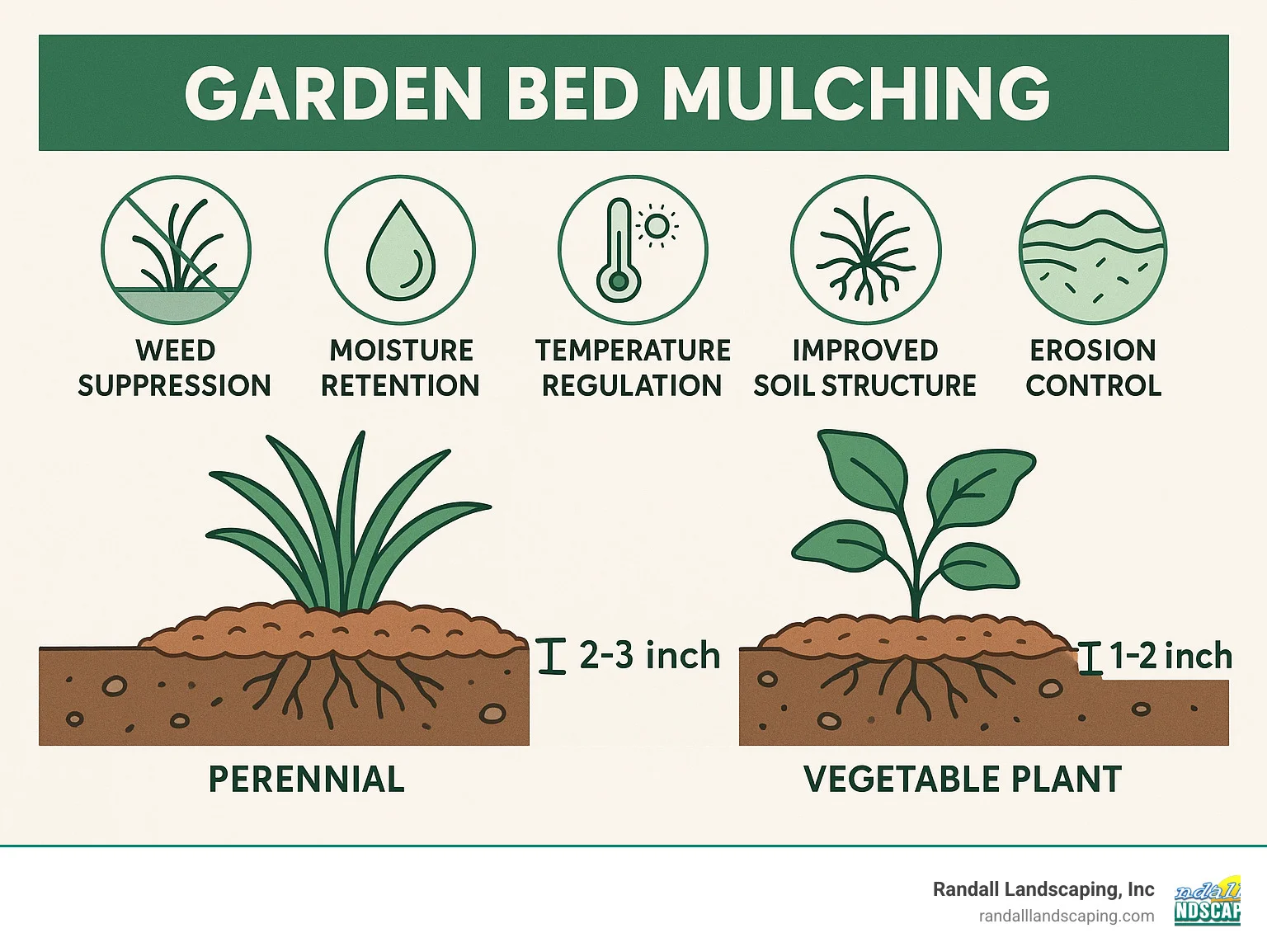
Besides its practical benefits, mulching also enriches soil quality over time and improves the overall aesthetic of your garden. Whether you manage a small urban garden or a larger backyard plot, mulching is an essential technique to master for efficient and sustainable gardening.
Choosing the Right Mulch for Your Garden
Organic vs. Inorganic Mulches
The first step in a successful mulching strategy is selecting the appropriate type of mulch. Organic mulches, such as shredded bark, straw, or composted leaves, are made from natural materials that break down gradually, adding nutrients to the soil. This decomposition process enriches the soil, promotes beneficial microbial activity, and improves soil structure. Organic mulches are ideal for gardeners looking to improve soil health while keeping maintenance low.
In contrast, inorganic mulches like gravel, landscape fabric, or rubber chips do not decompose. They primarily act as a physical barrier against weeds and help with moisture retention without altering the soil composition. These mulches are longer-lasting but do not provide the soil benefits that organic materials offer. Choosing between organic and inorganic mulch depends on your garden’s specific needs, the types of plants you grow, and your long-term gardening goals.
Cost and Availability Considerations
Besides functionality, cost and availability play important roles in choosing mulch. Local availability can significantly lower expenses, especially if you opt for organic materials like leaves or grass clippings collected from your yard. Commercially sold mulches such as bark or rubber chips might be pricier but offer convenience and uniformity in texture and appearance.
Assessing your budget and understanding what materials are readily accessible in your area will help you select a mulch that balances cost-effectiveness with your garden requirements. For busy gardeners, investing in mulch that lasts longer or can be easily replenished may save more time and money in the long run.
Step-by-Step Guide to Applying Mulch Efficiently
Preparing the Soil Before Mulching
Before applying mulch, preparing the soil is crucial to ensure maximum benefits. Start by clearing the area of weeds and debris to prevent these from growing through the mulch layer. Loosen the soil slightly to improve water penetration and root growth. If desired, add compost or fertilizer to enrich the soil, keeping in mind that mulch will seal in nutrients and moisture.
Proper soil preparation sets the foundation for healthy plant growth and maximizes the efficiency of the mulch. Skipping this step can reduce the effectiveness of mulching and may lead to increased weed problems or water runoff.
Best Practices for Mulch Thickness and Coverage
Applying mulch at the right thickness is essential to balance weed suppression and soil moisture retention without suffocating plant roots. A general recommendation is to spread mulch in a 2 to 4-inch layer. Too thin a layer may not adequately suppress weeds or conserve moisture, while a layer that is too thick can prevent air circulation and trap excessive moisture against stems.
Coverage should be uniform around the base of plants but should not touch the stems or trunks directly. Leaving a small gap prevents potential decay or pest issues. Also, extend the mulch layer beyond the primary root zone to maximize protection and benefits for the plants.
Top Easy Mulching Techniques to Save Time
No-Dig Mulching Method
The no-dig mulching method is a time-saving technique that involves layering organic material directly on top of the soil without disturbing it by tilling or digging. This method protects the soil structure and soil organisms while gradually enriching the soil through decomposition. It is especially useful in established gardens or vegetable beds where routine digging is time-consuming and may damage plant roots.
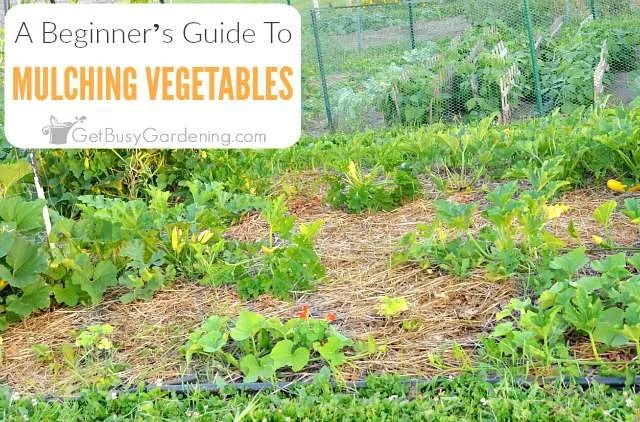
Simply spread a thick layer of organic mulch such as straw, shredded leaves, or grass clippings directly over the soil and around plants. Over time, this layer suppresses weeds and retains moisture, reducing the need for maintenance.
Sheet Mulching for Weed Control
Sheet mulching is an effective way to suppress weeds using layers of cardboard or newspaper beneath the mulch. This method involves placing a weed barrier made from biodegradable sheets to block sunlight and prevent weed growth. After laying the sheets, cover them with organic mulch to improve appearance and retain moisture.
Sheet mulching is particularly useful for starting new garden beds or renovating overgrown areas. It requires minimal effort once installed and can significantly reduce the frequency of weeding, making it ideal for busy gardeners.
Using Living Mulch Plants
Living mulch refers to low-growing plants used to cover soil surfaces around garden plants. These can include ground covers such as clover, creeping thyme, or certain grasses that compete with weeds and provide natural soil protection. Living mulches reduce erosion, improve soil fertility through nitrogen fixation (in the case of legumes), and keep soil moisture consistent.
Incorporating living mulch is a sustainable approach that requires less replenishment than other mulching materials. However, it does require some initial planning to ensure the mulch plants don’t compete excessively with your main crops for nutrients and water.
Maintaining Mulched Gardens for Optimal Results
When and How to Refresh Mulch
Mulch degrades over time, particularly organic types, which means refreshing the layer is necessary to maintain its effectiveness. Usually, mulch should be replenished once or twice a year, ideally in spring and fall, depending on the material and climate conditions. When adding fresh mulch, rake the old layer lightly to loosen it and then spread the new mulch evenly on top.
Regular maintenance helps sustain moisture retention, weed suppression, and soil improvement. Neglecting mulch refreshment can lead to thinning layers that no longer protect the soil adequately.
Identifying and Solving Common Mulching Problems
While mulching is beneficial, improper use can cause problems. For example, piling mulch too thickly around plant stems can lead to rot or attract pests like rodents. Mulching over wet soil without allowing it to dry first might encourage fungal diseases. It’s important to monitor mulch conditions regularly, ensuring layers are not compacted or waterlogged.
If you notice pest activity or plant stress, adjust your mulching practices accordingly. Removing excess mulch from vulnerable areas and ensuring proper spacing can mitigate these issues and protect your garden’s health.
Conclusion: Maximizing Garden Efficiency with Mulching
Implementing easy mulching techniques can drastically reduce both weeding and watering time, making garden management more feasible for those with busy schedules. By selecting the right mulch, preparing soil thoughtfully, and applying mulch at optimal thickness, gardeners can enjoy healthier plants with less effort.
Adopting methods such as no-dig and sheet mulching, or integrating living mulch plants, adds layers of efficiency and sustainability to your garden practice. Regular maintenance and awareness of common pitfalls ensure mulching continues to benefit your garden season after season. In essence, mulching is a smart investment of time that pays off through reduced chores and improved plant vitality.


