
Why Weekly Meal Planning is a Game-Changer for Busy Families
The Challenges of Feeding Picky Eaters
Feeding picky eaters can feel like a never-ending battle. Parents often face rejection of meals, leading to frustration and wasted food. Picky eating can cause mealtime stress, making it hard to maintain consistency and nutrition. Without a plan, improvising meals last minute often means resorting to less healthy or repetitive options.
Time-Saving Benefits for Parents
Weekly meal planning streamlines grocery shopping and reduces daily decision fatigue. With a clear plan, parents spend less time wondering what to cook and more time enjoying meals with their family. It helps avoid multiple trips to the store, cuts down on food waste, and frees up time for other priorities.
Top Strategies to Build Easy Family Meal Plans
Simple Recipe Selection Tips
Choose recipes with minimal ingredients and straightforward steps. Focus on familiar flavors kids already enjoy. Keep meals balanced but uncomplicated, aiming for dishes that can be slightly modified if needed. Favor recipes that can be repurposed into lunches or snacks to extend their use.
Incorporating Variety While Keeping It Picky-Eater Friendly
Variety keeps meals interesting but must be balanced with familiarity. Rotate core ingredients like chicken, pasta, and vegetables in different forms to offer diversity without overwhelming kids. Introduce new foods slowly alongside favorites, pairing them with dips or sauces that kids like to encourage tasting.
Batch Cooking and Freezing Hacks
Batch cooking saves time on busy days. Prepare double portions to freeze in individual servings for quick reheating. Soups, casseroles, and pasta dishes often freeze well and retain flavor. Label portions with dates and contents to stay organized and reduce mealtime stress during hectic weeks.
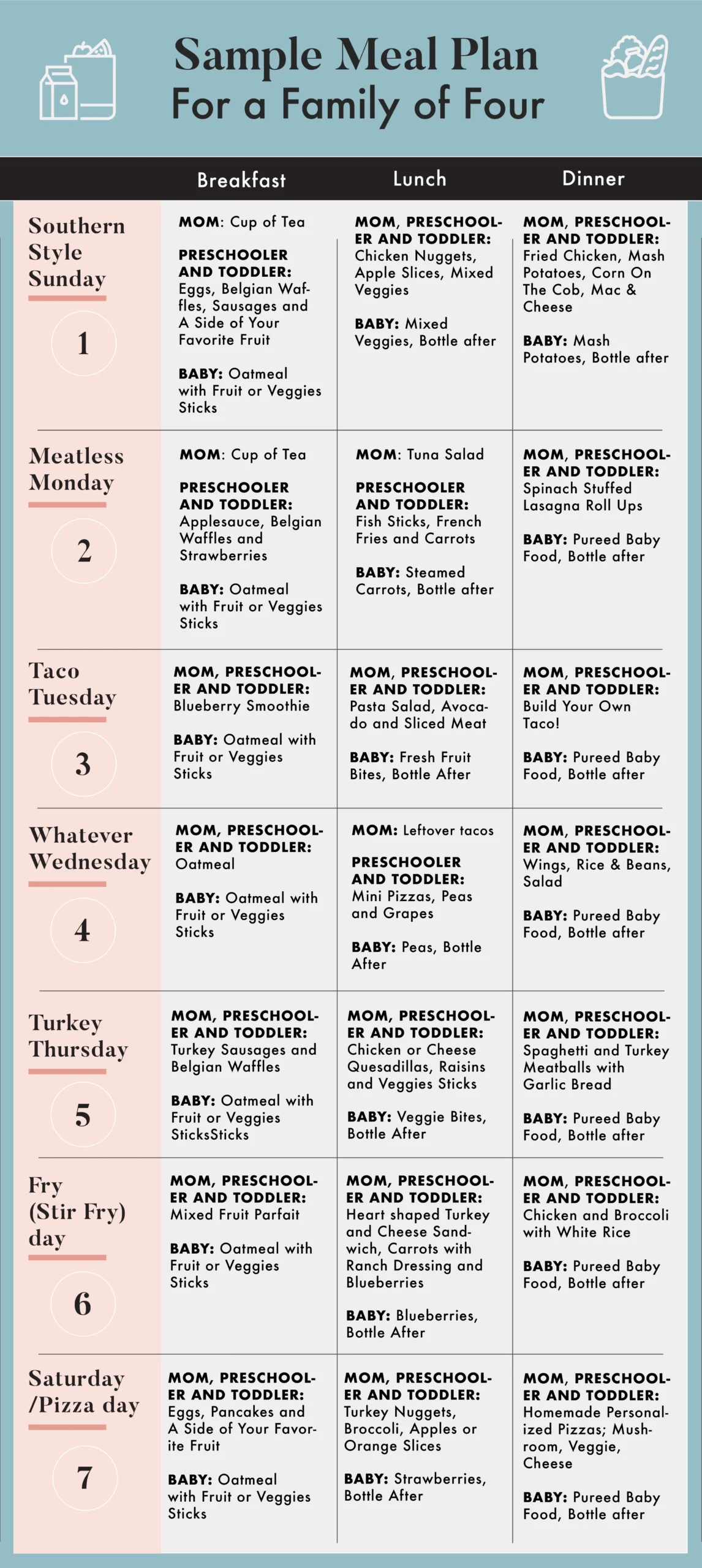
Sample Weekly Meal Plan: Balanced and Kid-Approved
Breakfast Ideas to Start the Day Right
Offer easy, nutritious breakfasts such as oatmeal topped with fruit, scrambled eggs with toast, and yogurt parfaits. Rotate these options to maintain interest. Including protein and fiber helps kids stay full and energized through the morning.
Lunches That Keep Kids Energized
Pack lunches focusing on balance—lean proteins, whole grains, and vegetables. Simple wraps, pasta salads, or pita pockets work well. Include a fun element like a small treat or colorful fruit to make lunchtime appealing but healthy.
Dinners the Whole Family Will Love
Dinner should be comforting and accommodating to everyone’s tastes. Classic options like homemade pizza, taco bowls, or baked chicken with roasted veggies generally please picky eaters. Incorporate a side or two of familiar veggies prepared in kid-friendly ways.
Adapting Meal Plans for Different Dietary Needs
Gluten-Free, Dairy-Free, and Other Common Restrictions
Meal planning must consider allergies and intolerances to keep everyone safe and satisfied. Substitute gluten-free grains, dairy alternatives, and low-allergen ingredients where needed. Using naturally allergy-friendly foods like rice, beans, and fresh produce simplifies adaptation.
Customizing Meals to Suit Each Family Member
Allow flexibility by preparing base meals that can be modified. For example, add cheese or sauce to one portion and omit for another. Offering condiments and sides separately empowers family members to tailor their plates while reducing wasted food.
Tools and Apps that Simplify Meal Planning
Many apps help create and organize meal plans effortlessly. They offer recipe suggestions, shopping lists, and calendar integrations. Using digital tools reduces manual planning time, helps track dietary preferences, and keeps the entire family on the same page.
Creative Tips to Get Kids Involved and Excited About Meals
Involving children in meal planning and preparation encourages them to try new foods. Let them choose between a few recipe options or help with simple tasks like washing veggies or assembling wraps. Making mealtime a collaborative experience increases excitement and acceptance.


