
Introduction to Breathing Exercises and Mental Clarity
Understanding the Connection Between Breath and Brain Function
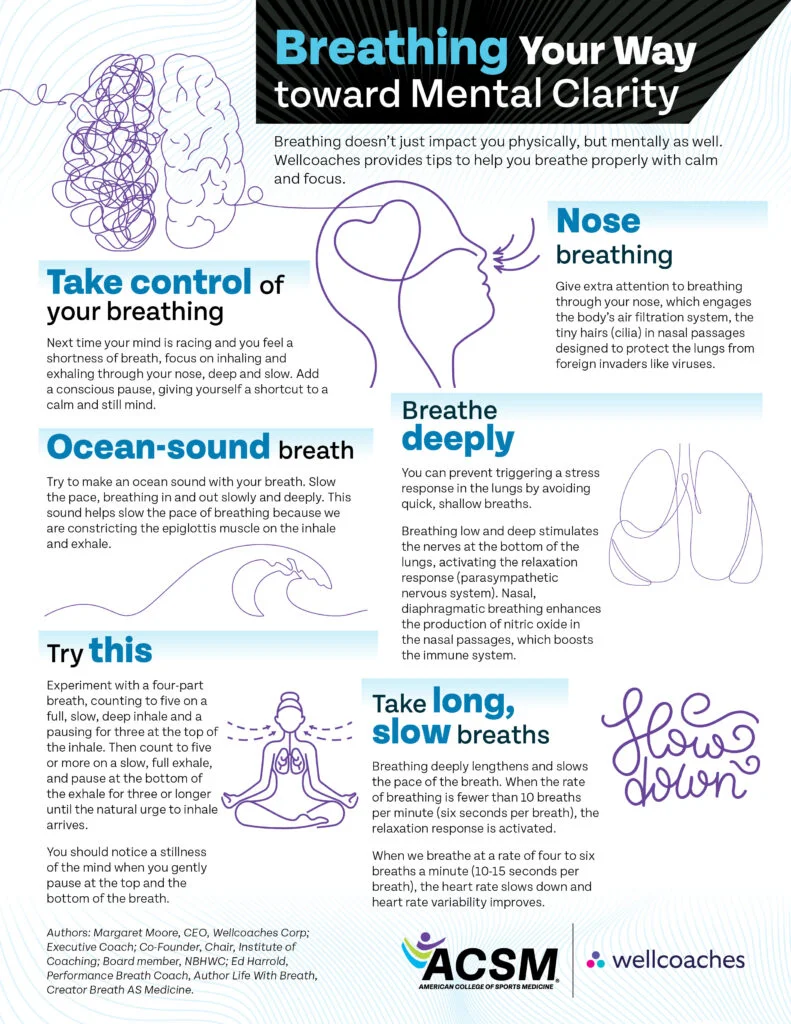
Breathing is something we often take for granted, an automatic process that sustains life. Yet, the way we breathe can have a profound effect on how our brain functions. When you slow down and focus on your breath, you engage a powerful tool that influences your nervous system and mental state. The brain thrives on oxygen, and controlled breathing helps optimize oxygen flow, which in turn supports clearer thinking and sharper focus. This connection between breath and brain function is the foundation for why breathing exercises are gaining attention as a natural method to enhance mental clarity.
Benefits of Natural Techniques for Focus Enhancement
Natural breathing techniques offer more than just relaxation. They have the potential to improve concentration and mental stamina without needing external aids. Unlike stimulants or energy boosters, these exercises invite a harmonious balance in the mind and body. Regular practice can reduce stress, heighten alertness, and promote a steady flow of mental energy. This makes breathing exercises an accessible and safe strategy for anyone seeking improved focus, whether for work, study, or daily life challenges.
Top Breathing Techniques to Boost Mental Clarity
Diaphragmatic Breathing: Foundation for Calmness
Diaphragmatic breathing, sometimes called belly breathing, encourages deep, full breaths that engage the diaphragm rather than shallow chest breathing. This technique helps activate the parasympathetic nervous system, promoting relaxation and reducing mental noise. By calming the mind, diaphragmatic breathing sets the stage for enhanced concentration, making it an excellent starting point for improving mental clarity.
Box Breathing: Structuring Breath for Concentration
Box breathing involves breathing in four stages of equal length — inhale, hold, exhale, and hold again. This rhythmic pattern brings control and structure to the breath, which can help clear distracting thoughts and focus attention. Athletes, military personnel, and professionals often use this technique to regain composure and mental steadiness during challenging moments.
Nadi Shodhana (Alternate Nostril Breathing): Balancing Mind Energy
Nadi Shodhana, known as alternate nostril breathing, balances the flow of energy through the body and mind. By alternately breathing through each nostril, this practice is believed to harmonize the left and right hemispheres of the brain. Many find it helps reduce anxiety and mental fatigue, creating a feeling of centeredness that supports sustained mental clarity and focus.
Step-by-Step Guide to Practicing Each Exercise
Preparation and Setting the Right Environment
Before beginning any breathing exercise, finding a calm and comfortable space is key. A quiet room with minimal distractions and a comfortable seat or place to lie down will help you tune into your breath. Maintain a straight posture but stay relaxed to allow the lungs to fully expand. Setting aside just a few minutes in a routine can make a noticeable difference over time.
Detailed Instructions for Each Breathing Method
To practice diaphragmatic breathing, place one hand on your chest and the other on your belly. Inhale deeply through your nose, ensuring the hand on your belly rises while the chest remains still. Exhale slowly and completely through your mouth or nose, feeling your belly fall. Repeat for several breaths.
For box breathing, inhale through your nose for a count of four. Hold your breath for another four counts, then exhale gently for four seconds. Pause and hold the empty breath for four counts before repeating. Adjust the count length to what feels comfortable, but keep each phase equal.
When doing Nadi Shodhana, use your thumb to close your right nostril and inhale slowly through the left nostril. Close the left nostril with your ring finger, release your thumb, and exhale through the right nostril. Then inhale through the right nostril, close it, and exhale through the left. This completes one cycle. Continue at a calm, steady pace.
Common Mistakes and How to Avoid Them
One common pitfall is forcing the breath or trying to breathe too deeply, which can cause dizziness or discomfort. Breathing should be gentle and mindful, not strained. Another mistake is rushing through the counts or losing focus, which diminishes the benefits of the practice. Staying relaxed and patient, especially when first learning, ensures the exercises remain effective.
Scientific Evidence Supporting Breathing Exercises
Studies on Breath Control and Cognitive Performance
Research has increasingly highlighted how controlled breathing impacts brain function. Studies show that certain breathing patterns can improve attention span and working memory by stimulating the prefrontal cortex — the brain’s center for executive functions. These findings underscore the practical benefits of integrating breathing exercises for enhanced cognitive performance.
Impact on Stress Hormones and Mental Focus
Breathing exercises also play a role in reducing stress hormones like cortisol. Lower levels of stress hormones create a mental environment conducive to focus and clarity. By modulating the autonomic nervous system, these techniques help buffer against the distractions and mental fatigue that stress often brings.
Integrating Breathing Exercises Into Daily Routine
Creating Consistent Practice Habits
Building a daily habit with breathing exercises doesn’t require much time, but consistency is key. Starting with just five minutes each day can cultivate a sense of calm that gradually improves mental clarity. Consider tying the practice to an existing habit, such as morning wake-up or evening wind-down, to make it easier to remember and stick with.
Using Breathing Techniques During Work or Study

Breathing exercises can be especially useful during periods of intense work or study. Taking short breathing breaks helps reset focus, reduce mental fatigue, and manage stress. Even a minute or two of box breathing or diaphragmatic breaths between tasks can make returning to work smoother and more productive.
Conclusion: Embracing Breath for Natural Mental Enhancement
Effective breathing exercises offer a simple, natural path to clearer thinking and improved focus. By tuning into your breath and practicing these techniques regularly, you create space for calm, balance, and mental clarity. Embracing breath as a tool means tapping into something deeply human and accessible, providing ongoing support in our fast-paced, often distracting lives. With patience and mindfulness, your breath can become an anchor that steadies your mind and sharpens your attention every day.


