
Understanding Heat Styling Damage on Hair
How Heat Affects Hair Structure
Heat styling tools such as straighteners, curling irons, and blow dryers are widely used to achieve sleek and styled hair. However, these tools can significantly alter the delicate structure of hair strands. Hair is primarily made of keratin proteins arranged in a tightly bound pattern, and excessive heat disrupts this arrangement. When the hair is exposed to high temperatures, the water inside the hair shaft evaporates, leading to dryness and brittleness. The protective outer layer, known as the cuticle, can become cracked or raised, leaving the inner cortex vulnerable to damage.
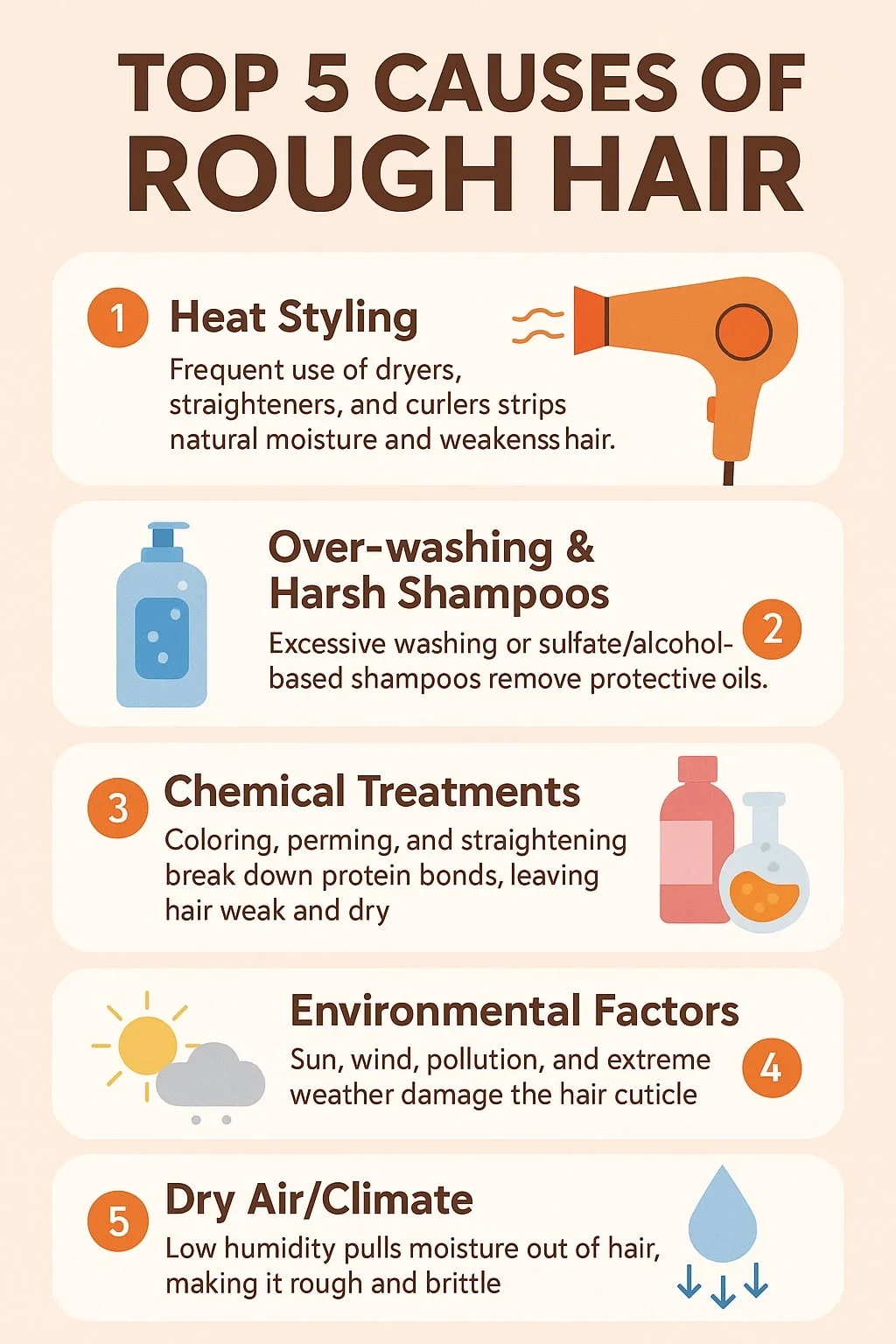
This disruption weakens the hair’s elasticity, making it more prone to breakage and split ends. Repeated heat exposure without proper protection accelerates this damage, causing hair to look dull, frizzy, and lifeless. Understanding this impact is vital because it helps in choosing effective natural remedies to restore hair health.
Signs of Heat Damage to Watch For
Recognizing heat damage early is essential to prevent further deterioration. Common signs include a noticeable increase in hair breakage and split ends, dryness despite regular conditioning, and a rough texture that lacks smoothness. You might also observe a change in your hair’s curl or wave pattern, where curls become looser or hair appears stretched and lifeless.
Another clear indicator is when hair fails to retain moisture effectively and looks dull or lacks shine. If your hair feels overly stiff or straw-like, that’s a sign the cuticle has been compromised. By identifying these symptoms, you can take prompt action with natural remedies to repair and strengthen your hair.
Top Natural Ingredients That Repair Heat-Damaged Hair
Role of Coconut Oil in Hair Nourishment
Coconut oil is renowned for its deep penetrating ability. Unlike many oils that sit on the surface, coconut oil can enter the hair shaft to nourish from within. It replenishes lost moisture and helps to seal the cuticle, reducing protein loss caused by heat styling.
Regular use of coconut oil strengthens hair fibers, making them more resilient against breakage. Additionally, its natural fatty acids provide a protective barrier that guards hair during future heat exposure. Applying coconut oil before heat styling can also act as a preventive method, softening hair and minimizing damage.
Benefits of Aloe Vera for Scalp and Hair Health
Aloe vera is a natural powerhouse of hydration and healing. It contains proteolytic enzymes that repair dead skin cells on the scalp, promoting a healthier environment for hair growth. Aloe vera’s cooling and moisturizing properties soothe irritation that often accompanies damaged hair and dry scalp.
When applied to hair, aloe vera provides essential moisture without weighing it down. It also helps to restore the pH balance of the scalp, which can be thrown off by heat or chemical treatments. Incorporating aloe vera gel into your hair care routine can revitalize and strengthen weakened strands, reducing hair fall caused by damage.
Strengthening Hair with Avocado and Honey Masks
Avocado is rich in vitamins, minerals, and healthy fats that deeply condition and nourish hair. It replenishes essential oils stripped away by heat, while its vitamins A, D, and E promote scalp health and boost hair strength. Honey complements avocado by acting as a humectant, attracting moisture and locking it into the hair shaft.
Together, avocado and honey create a potent strengthening mask that revitalizes brittle hair and enhances shine. This natural combination also softens the cuticle, making hair easier to detangle and style. Using such masks regularly can restore vitality and prevent further damage.
DIY Treatments to Use After Heat Styling
Step-by-Step Guide to Making a Repair Mask
Creating your own repair mask at home is straightforward and highly effective. Start by mashing one ripe avocado until smooth. Add two tablespoons of honey and mix thoroughly. Then, incorporate two tablespoons of coconut oil warmed slightly to blend well with the other ingredients.
Apply this mask evenly to damp, clean hair, focusing on the mid-lengths and ends where damage is usually most evident. Once applied, cover your hair with a shower cap to trap heat and allow deeper penetration of the nutrients. Leave the mask on for 30 to 45 minutes before rinsing thoroughly with lukewarm water.
This step-by-step approach ensures that your hair absorbs the maximum benefits from the natural ingredients, helping to rebuild strength and moisture.
Frequency and Application Tips for Best Results
For optimal repair, apply this mask once or twice a week, depending on the severity of the damage. Consistency is key in natural hair care, as these treatments work gradually to restore hair’s health. Avoid using hot water when rinsing, as it can strip away the nourishing oils and undo progress.

When applying the mask, use gentle pressure and avoid excessive rubbing to prevent further breakage. After rinsing, gently pat your hair dry with a soft towel and avoid harsh heat styling. Incorporating these application tips enhances the effectiveness of your DIY treatments.
Preventive Practices Using Natural Methods
Hydration and Diet for Stronger Hair
Healthy hair starts from within, making hydration and a nutrient-rich diet crucial components of hair care. Drinking ample water helps maintain your hair’s moisture balance, preventing dryness caused by heat styling. Consuming foods rich in vitamins A, C, and E, as well as omega-3 fatty acids and proteins, supports the natural repair and growth processes of hair.
Including leafy greens, nuts, seeds, and fish in your diet ensures hair follicles receive the nourishment they need. This internal support complements topical natural remedies, resulting in stronger and more resilient hair.
Using Leave-In Conditioners and Natural Heat Protectants
Avoiding damage is as important as repairing it. Using natural leave-in conditioners before styling creates a protective shield on your hair strands. Ingredients like aloe vera juice or diluted coconut oil can serve as light heat protectants, reducing the harsh impact of heat tools.
Apply these natural products sparingly to avoid weighing hair down. They help retain moisture and keep your hair smooth and manageable. Incorporating these preventive methods into your routine minimizes damage, maintaining the benefits of your reparative treatments.
Incorporating Natural Remedies into Your Haircare Routine
Weekly vs. Daily Treatments for Optimal Hair Health
Establishing a balanced routine is essential for maintaining hair strength. While weekly deep treatments like avocado and honey masks provide intensive repair, daily use of mild natural conditioners or oils keeps hair hydrated and protected.
Daily treatments should be light and focused on moisture retention, whereas weekly sessions can address more intensive repair needs. This division allows your hair to recover progressively without feeling overloaded by product.
Combining Remedies for Tailored Care
Different hair types and damage levels require personalized care. You may find combining aloe vera gel in your daily leave-in routine with weekly coconut oil treatments offers both hydration and protein replenishment. Similarly, alternating between avocado masks and aloe vera applications can target various aspects of damage.
Experimenting with combinations and observing your hair’s response will help you tailor your regimen for maximum benefit. Natural remedies are versatile and can be adapted to fit your unique hair needs, ensuring ongoing strength and shine despite frequent heat styling.


