
Understanding Time-Blocking in a Remote Work Environment
Definition and Core Principles
Time-blocking is a productivity technique where you divide your day into specific sections, each allocated to a particular task or activity. Instead of working in an open-ended fashion, you set clear periods for focused work, meetings, breaks, and personal activities. This method helps create structure, making the most of your time while minimizing multitasking and distractions.

At its core, time-blocking relies on intentional planning and discipline. By pre-defining when certain tasks will happen, it encourages a rhythm to your day that aligns with your priorities. Whether you’re answering emails, working on complex projects, or relaxing with family, every block has its place and purpose.
Why Time-Blocking Matters for Work-Life Balance
When working from home, the boundaries between work and personal life tend to blur. It’s easy to find yourself answering work emails during dinner or jumping into calls late at night. Time-blocking addresses this by clearly differentiating work hours from personal time on your calendar.
This separation is crucial for mental wellbeing. It prevents burnout, reduces stress, and improves focus, because you know exactly when to work and when to step away. Beyond productivity gains, effective time-blocking helps you reclaim your personal life after work hours, fostering healthier habits and relationships.
Setting Up Your Time-Blocking System
Choosing the Right Tools and Apps
Starting with the right tools makes time-blocking enjoyable and sustainable. Digital calendars like Google Calendar or Outlook are popular choices because they allow you to drag and drop blocks easily and send reminders. Some prefer specialized apps designed specifically for time-blocking, offering features like color coding or integration with task managers.
While apps are helpful, simplicity can go a long way. Even a paper planner or a whiteboard near your workspace can serve as a powerful visual cue. The key is to pick a system you’ll consistently use, rather than chasing the latest tools without committing to them.
Mapping Out Your Typical Day
Once you have your tools, the next step is drafting a daily plan. Start by identifying your core working hours, focusing on when you’re most alert and productive. Build blocks around these periods to tackle your most demanding tasks first.
Don’t overlook your personal needs. Schedule breaks, meal times, and moments to check in with family or unwind. Mapping your day realistically also means accounting for meetings and unavoidable interruptions.
If your schedule varies day to day, draft a few templates tailored for different scenarios—such as heavy meeting days versus deep work days—so you’re always prepared.
Techniques for Clear Separation Between Work and Personal Life
Defining Non-Negotiable Boundaries
One of the strongest ways to protect your personal time is setting firm boundaries. Decide on when your workday starts and ends, and stick to those times as if you were in an office. Communicate these boundaries clearly to colleagues and household members to set expectations.
These limits help prevent work from spilling into your evenings or weekends. It’s also important to resist the temptation of “just one more email” after hours. Remember, consistent boundaries build habits that reinforce your work-life balance over time.
Scheduling Breaks and Personal Time Blocks
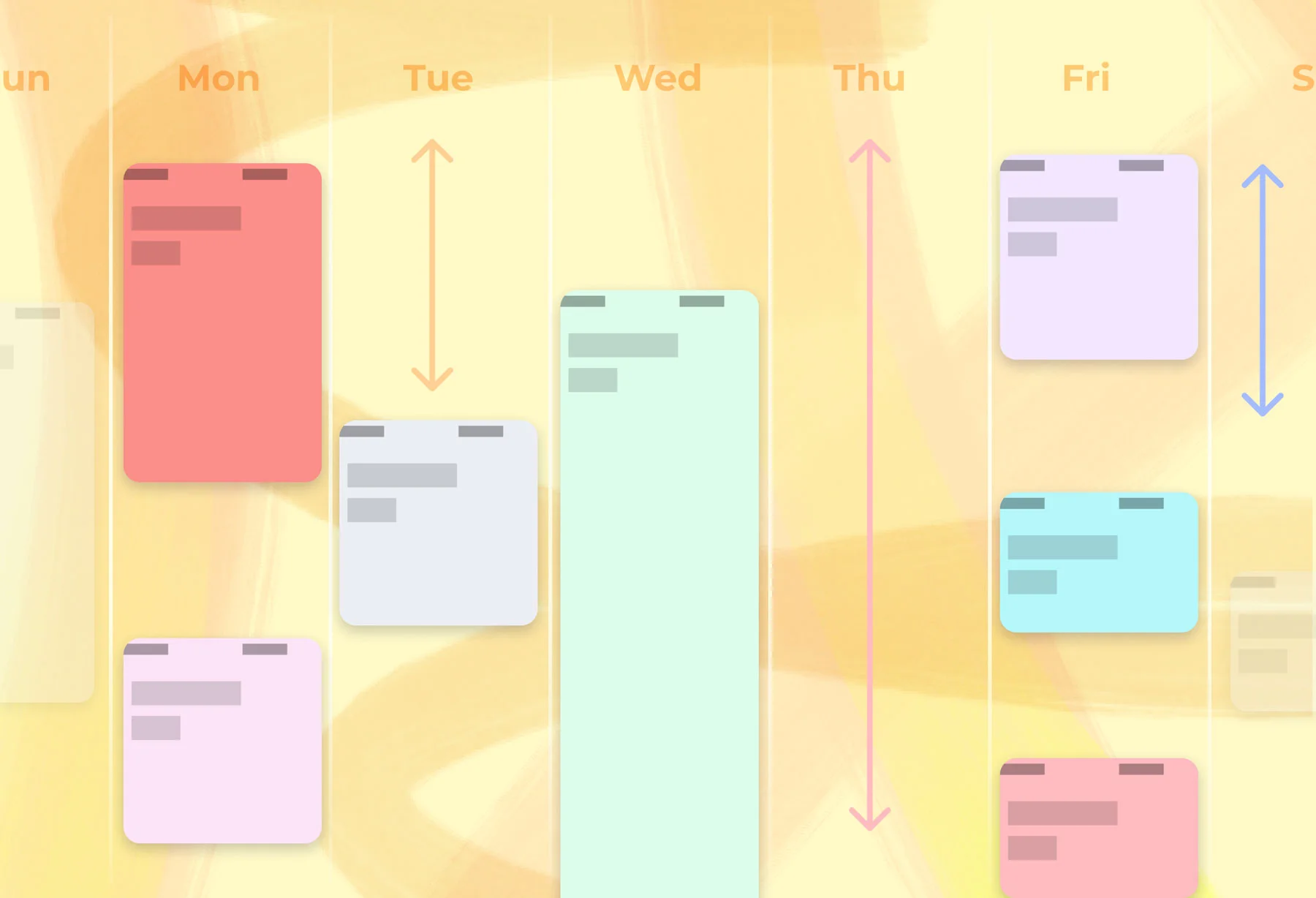
Blocking time for breaks isn’t just a nice-to-have; it’s essential. Short breaks improve focus and prevent fatigue. Plan regular pauses—perhaps a quick walk, a snack, or a few minutes of mindfulness—that let you reset before diving back into work.
Similarly, schedule blocks reserved exclusively for personal activities. These might include exercise, hobbies, or family time. By giving them a place on your calendar, you’re less likely to sacrifice these moments in favor of work tasks.
Using Physical Cues to Signal Transition
Visual or physical signals can be surprisingly effective in marking the transition between work and personal life. For example, closing your laptop and putting it away at the end of the workday can signal a clear boundary. Some people change clothes, move to a different room, or turn off work-related notifications.
These rituals create mental separation, reinforcing your time blocks beyond just the calendar. Over time, your brain associates these cues with “work mode” or “personal mode,” which helps you switch gears more easily.
Customizing Time-Blocking for Different Lifestyles
For Parents and Caregivers
Parents juggling work and family responsibilities may find strict time-blocking challenging but even more critical. Flexibility becomes the key. Instead of rigid hour blocks, shorter periods focused around caregiving tasks or children’s schedules can help, like working during nap times or after bedtimes.
Involve your household in the schedule if possible. When kids understand when you’re “in a work block,” they can better respect those moments. Also, build buffer time around unpredictable events such as school pickups or appointments.
For Freelancers and Entrepreneurs
Freelancers often enjoy flexibility but can struggle with overworking or irregular hours. Time-blocking creates discipline by assigning specific hours for client work, business development, and admin tasks.
Since your schedule may vary widely day to day, using time blocks to batch similar tasks can increase efficiency. For instance, one block dedicated to emails, another to creative work, and a separate one for networking or marketing efforts.
For Employees with Fixed Hours
If your job requires fixed hours, time-blocking helps optimize those hours and preserve personal time. Focus blocks within your working time can improve productivity, reducing the stress of unfinished tasks.
Outside work hours, dedicated personal blocks ensure you disengage fully. Using time-blocking here also prevents the common pitfall of work creeping into early mornings or late evenings.
Common Challenges and How to Overcome Them
Interruptions and Distractions Management
Working from home often means dealing with unpredictable interruptions—family needs, household chores, or tech issues. Despite careful blocks, distractions can still break your focus.
One solution is setting clear expectations with those around you about your work times. Investing in noise-cancelling headphones or a dedicated workspace can also minimize disruptions. When unexpected interruptions occur, try to adjust your blocks and communicate changes rather than abandoning your schedule entirely.
Maintaining Consistency Over Time
Sticking to time-blocking day after day takes commitment. It’s normal to feel motivated at first and then slip into old habits. The key is reviewing your schedule regularly to ensure it still fits your needs and lifestyle.
Allow some flexibility to avoid frustration, but make daily or weekly check-ins part of your routine to adjust and recommit. Celebrating small wins when you respect your blocks can also reinforce the habit.
Advanced Time-Blocking Strategies
Incorporating Deep Work Sessions
Deep work refers to periods of intense, distraction-free focus on cognitively demanding tasks. Scheduling these sessions within your time blocks can be a game-changer for productivity.
Plan deep work sessions during your peak energy times, close off notifications, and communicate to others that interruptions are off-limits during these periods. Over time, building these blocks helps you tackle complex projects quicker and with higher quality.
Leveraging Time Audits for Continuous Improvement
To refine your time-blocking system, try conducting a time audit. Track how you spend your time over several days or a week, noting where blocks worked and where they didn’t. This insight allows you to restructure your schedule more realistically.
Time audits help identify hidden time drains, unproductive habits, or unrealistic task estimations. Regularly revisiting your blocks based on real data ensures your system evolves with your changing work and personal demands.
Conclusion: Building Sustainable Habits with Time-Blocking
Effective time-blocking offers a practical roadmap to balancing work and personal life when working from home. It creates clear boundaries, structures your day, and nurtures habits that protect your focus and wellbeing.
While challenges like interruptions and consistency can arise, the flexibility to adapt and refine your blocks is part of the process. By committing to this intentional approach, you build sustainable routines that allow you to thrive professionally and personally, all from the comfort of home.


