
Understanding the Importance of a Morning Routine
How Morning Habits Influence Daily Productivity
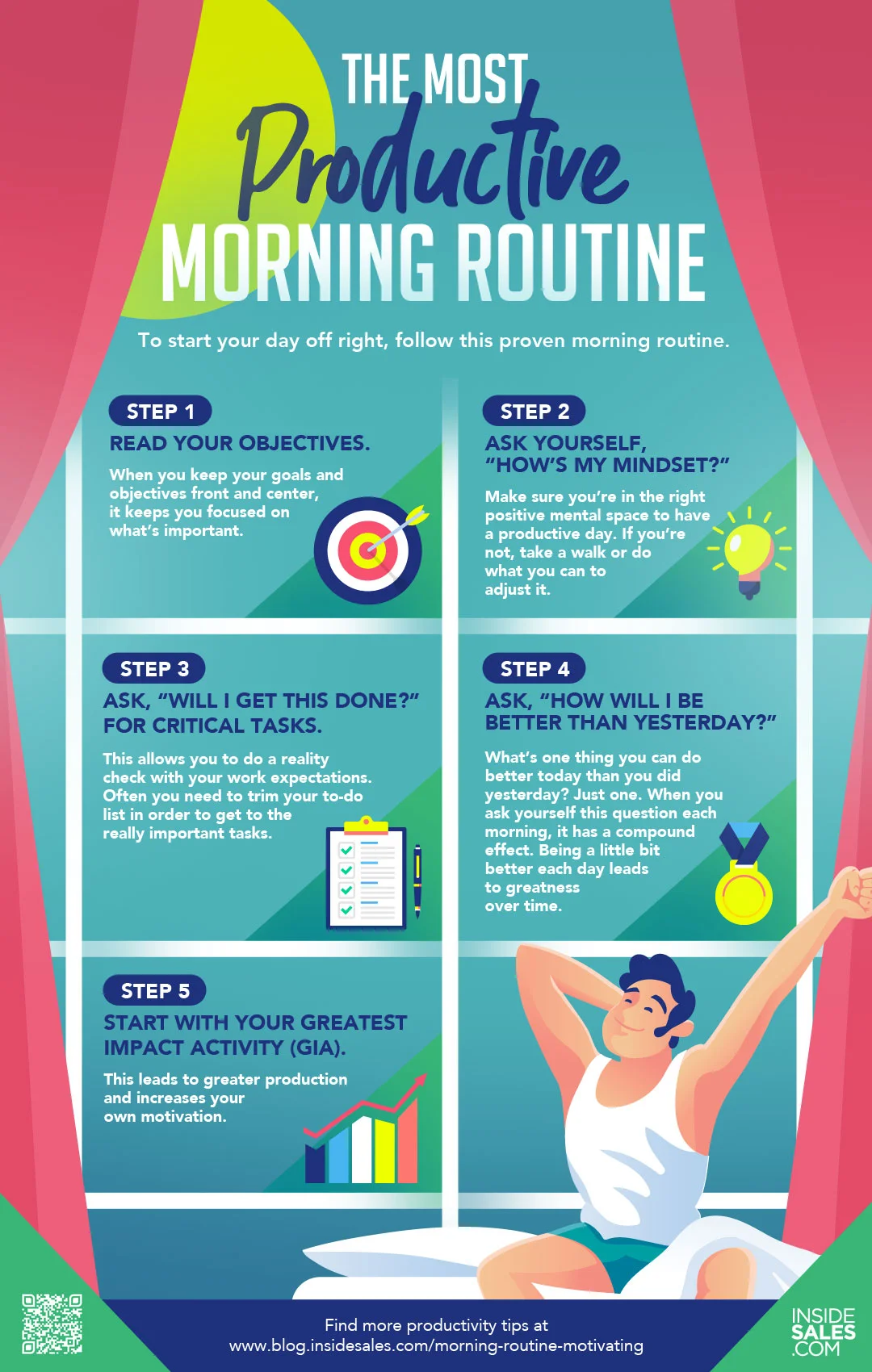
Morning routines set the tone for the rest of your day. The habits you adopt in the first hours after waking can either boost your focus and energy or lead to distractions and sluggishness. When you start the day with intentional actions, you create momentum that carries through your work, interactions, and personal time. Conversely, a chaotic or rushed morning often results in feeling overwhelmed before the day even truly begins.
The Science Behind Morning Energy Levels
Our bodies operate on circadian rhythms, which influence energy levels throughout the day. For many people, mornings offer a natural spike in alertness, especially after a good night’s sleep. Tapping into this biological rhythm by structuring your morning routine accordingly can enhance mental clarity and productivity. Understanding this science explains why tweaking morning activities to align with your body’s energy can make a significant difference in performance.
Identifying Your Current Morning Routine
Tracking Your Morning Activities
The first step toward improvement is awareness. Spend a few days observing what your typical morning looks like from the moment you wake up to when you start your main tasks. Note how long each activity takes, how it makes you feel, and any moments where your focus drifts or energy drops. This process sheds light on unconscious behaviors and reveals opportunities where small adjustments can yield big returns.
Recognizing Time Wasters and Energy Drainers
After tracking your routine, it becomes clearer which activities contribute little to your overall goals or even drain your vitality. For example, excessive screen time right after waking or getting caught up in unplanned tasks can sap energy and reduce productivity. Identifying these elements allows you to prioritize what genuinely supports your morning success and eliminate or reduce what holds you back.
Setting Realistic Goals for Your Morning
Why Small Changes Matter More
When adjusting your routine, aiming for drastic transformations often leads to discouragement and feelings of overwhelm. Instead, introducing small, manageable changes makes the process sustainable. These incremental improvements gradually build positive momentum, which is less likely to cause resistance and more likely to become lasting habits. The key is consistency rather than perfection.
Aligning Morning Tasks with Your Priorities
Clarifying what matters most in your day helps you shape a morning routine that supports those priorities. Whether it’s mental preparation, physical well-being, or task organization, your actions should align with long-term goals. This alignment not only increases motivation but also ensures that your time and energy are invested in meaningful activities, reducing the risk of distractions.
Step-by-Step Guide to Adjust Your Routine
Start with a Wake-Up Time That Suits You
The foundation of any effective morning routine is a consistent wake-up time that matches your natural rhythm. Instead of forcing an early start just because it seems ideal, select a time when you feel rested and alert. This approach prevents morning fatigue and sets a realistic starting point for the rest of your routine development.
Incorporate Energizing Activities Gradually
Introduce activities that boost alertness, such as light stretching, breathing exercises, or a brief walk. Adding these steps one at a time helps you adjust smoothly without overwhelming your schedule. Over time, these energizing moments can become integral parts of your routine, fostering a productive mindset early in the day.
Eliminate Non-Essential Tasks Mindfully
Review your morning activities critically and remove tasks that do not contribute to your goals or well-being. This might mean limiting time spent on checking emails or social media or postponing non-urgent chores. By consciously freeing up space, you create room for practices that support greater focus and calmness.
Plan and Prepare the Night Before
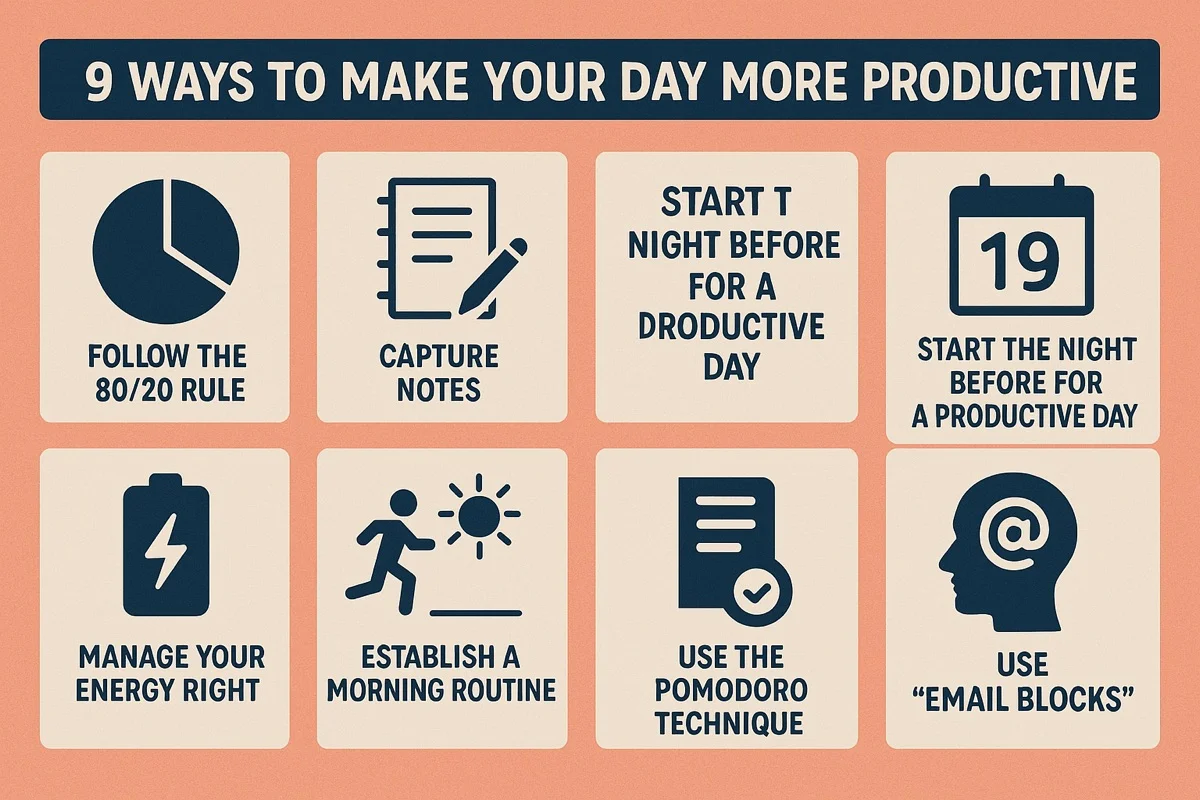
One of the most effective ways to improve your morning is by getting organized the evening prior. Laying out clothes, preparing meals, or writing a simple to-do list can reduce decision fatigue and stress in the morning. This preparation acts like a head start, making the transition from sleep to productivity smoother and less taxing on your mental resources.
Techniques to Prevent Feeling Overwhelmed
Mental Strategies for Stress Reduction
Practicing mindfulness or deep breathing exercises in the morning can help keep stress levels manageable. Taking just a minute to focus on your breath or to set a positive intention can shift your mindset from rushed to grounded. These mental strategies act as buffers against overwhelm, enabling you to approach your day with clarity and calmness.
Using Time Blocks and Buffers Effectively
Structuring your morning with dedicated time blocks gives your routine discipline without rigidity. Allowing short buffer periods between activities accommodates unexpected delays or moments of pause, preventing the feeling of being rushed. This flexible scheduling technique helps maintain a steady pace and reduces stress arising from over-packed mornings.
Tools and Apps to Support Your Morning Transformation
Habit Trackers
Digital habit trackers encourage accountability by allowing you to monitor progress and celebrate consistency. These tools provide reminders and visual feedback, making it easier to sustain new habits over time. Using a tracker can also highlight patterns, guiding you in fine-tuning your routine for better results.
Mindfulness and Meditation Apps
Apps designed for mindfulness and meditation offer guided sessions that fit into short morning windows. They provide structure for stress reduction practices and help cultivate a calm mental space that carries through the day. Integrating these apps into your routine can enhance focus and emotional balance without requiring extensive time commitments.
Evaluating and Tweaking Your Routine Over Time
Signs Your Routine Needs Adjustment
Pay attention to signs such as persistent stress, lack of motivation, or declining productivity, which indicate your morning routine may need revisiting. Life changes and fluctuating energy patterns mean that what worked once might require modification. Being open to reassessment keeps your routine relevant and effective.
How to Stay Motivated and Consistent
Maintaining motivation involves celebrating small successes and reminding yourself of the benefits you’re gaining. Consistency builds momentum, and establishing a flexible mindset helps you adapt without losing progress. Pairing realistic goals with patience ensures your morning routine evolves into a sustainable foundation for daily productivity.


