
Understanding the Basics of Bodyweight Training
What Makes Bodyweight Exercises Effective?
Bodyweight exercises rely solely on the weight of your own body to provide resistance, making them an incredibly accessible and efficient way to build strength and endurance. Unlike traditional weight training, these exercises engage multiple muscle groups simultaneously, improving coordination and flexibility along with strength. The simplicity of moving your body through natural patterns means you can do these workouts anywhere, anytime, without needing equipment or a dedicated space.
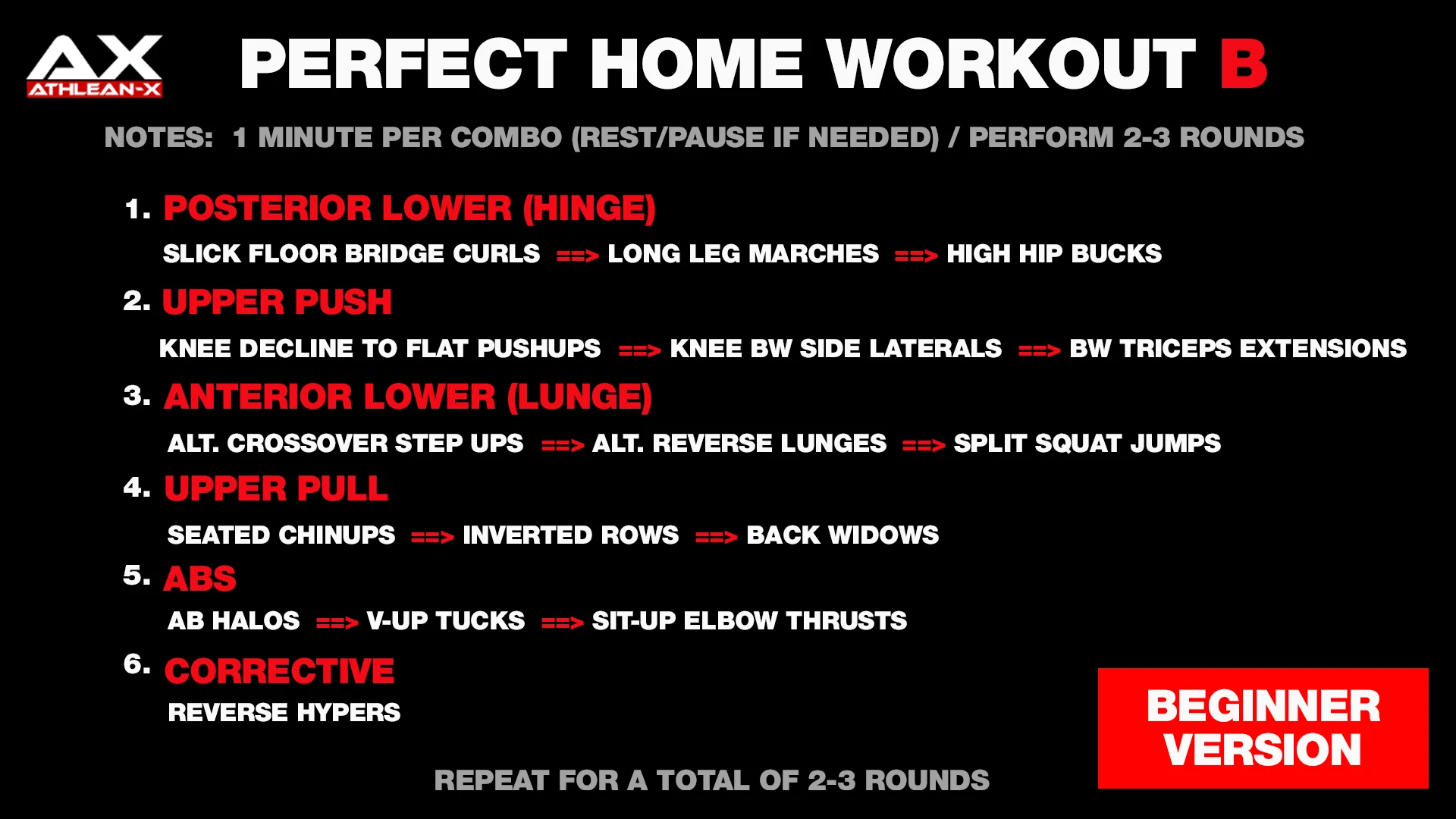
Benefits of Training Without Equipment
Training without equipment is not just convenient; it’s also gentle on your schedule and wallet. Without the barrier of gym memberships or machines, consistency becomes easier. Moreover, bodyweight workouts help improve functional fitness—how well your body performs in daily activities—by improving balance, stability, and body awareness. This approach is also scalable, meaning you can modify the intensity as you progress, making it suitable for everyone from beginners to advanced athletes.
Assessing Your Current Fitness Level
Simple Tests to Gauge Strength and Endurance
Before diving into a full-body routine, it’s important to understand where you stand fitness-wise. Simple tests like timing how long you can hold a plank, counting how many push-ups or squats you can do with good form, or seeing how long you can perform jumping jacks without stopping can give you a baseline. These quick assessments help you tailor your routine to match your current abilities and avoid injury.
Setting Realistic Goals for Full-Body Workouts
Once you know your starting point, setting clear, achievable goals will keep you motivated. Whether your aim is building muscle, increasing endurance, or just staying active, having a goal helps shape your routine. Remember to keep goals specific and measurable, like performing 20 continuous push-ups or holding a plank for a full minute within a month. Incremental targets encourage steady progress and prevent frustration.
Designing Your Full-Body Workout Routine
Key Muscle Groups to Target With Bodyweight Moves
A balanced workout works all the major muscle groups, ensuring you develop strength evenly and reduce the risk of injury. Focus on the upper body, including chest, shoulders, and triceps, the lower body such as quads, hamstrings, and glutes, and the core muscles that stabilize your body. Integrating exercises that hit multiple groups at once, like push-ups and lunges, helps make your routine efficient and dynamic.
Structuring Your Workout: Warm-Up, Main Sets, and Cool-Down
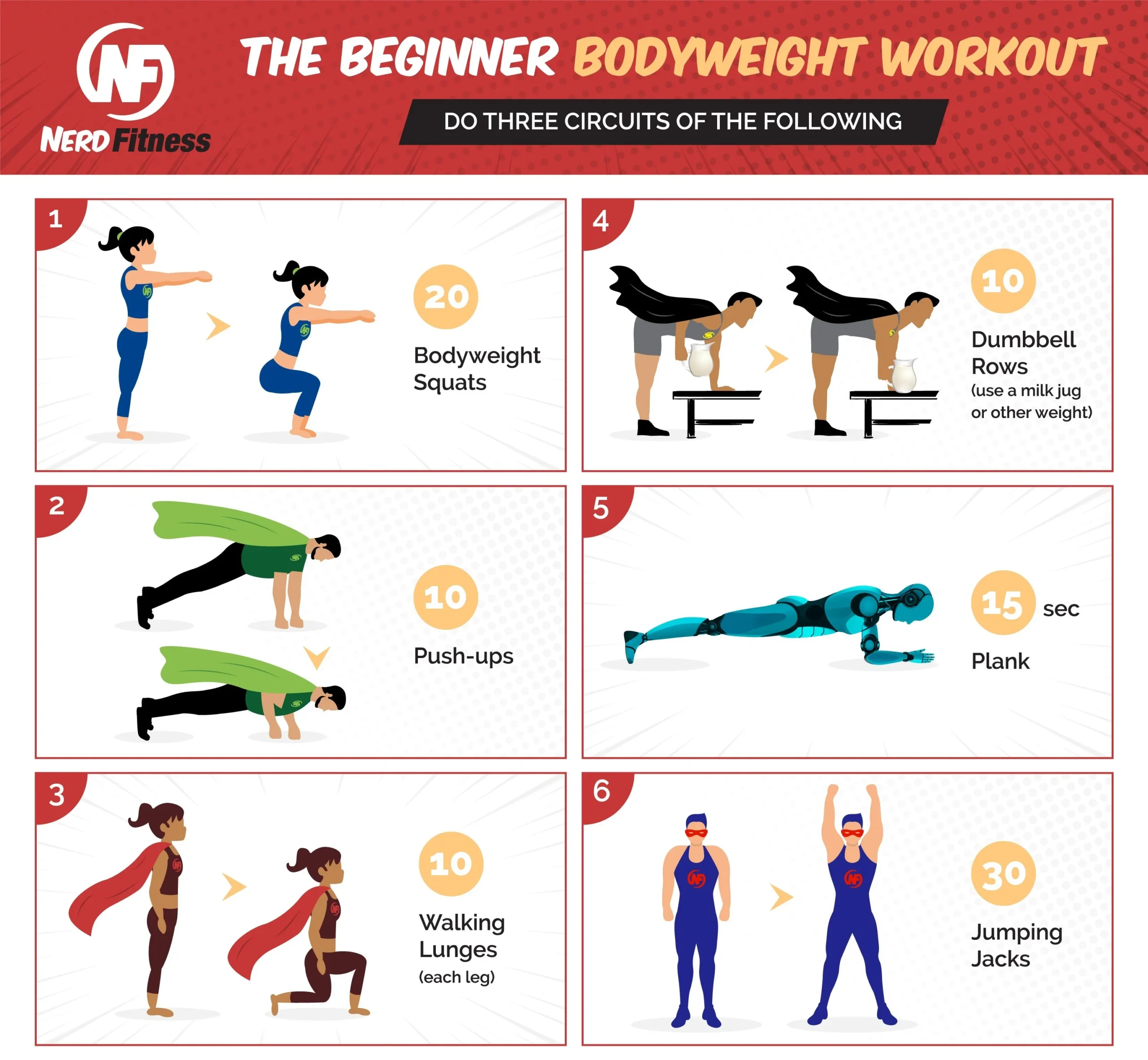
Every effective workout starts with a warm-up to prepare your muscles and joints, typically involving light movements like arm circles, leg swings, or jogging in place. The main set is where you perform your targeted exercises in a sequence, combining different types of movements for a full-body challenge. Ending with a cool-down including gentle stretching reduces muscle soreness and helps signal your body it’s time to recover, setting the stage for consistent training.
Sample Bodyweight Exercises for Each Muscle Group
Upper Body: Push-ups, Dips, and Variations
Push-ups are a classic upper body staple, primarily working your chest, shoulders, and triceps. To add variety, you can try incline or decline push-ups, or even explosive clap push-ups for power. Dips, which you can perform using a sturdy chair or low table, focus on your triceps and shoulders, providing excellent complementary work.
Lower Body: Squats, Lunges, and Glute Bridges
Squats are foundational for lower body strength, targeting your quads, hamstrings, and glutes. Lunges add balance and coordination challenges while engaging similar muscle groups. Glute bridges are excellent for isolating and strengthening your posterior chain, especially the glutes and lower back, rounding out a comprehensive leg workout.
Core: Planks, Crunches, and Leg Raises
Your core stabilizes every movement, so dedicating time to it is key. Planks develop endurance in your abdominal muscles and back without strain. Crunches emphasize the upper abdominal muscles, while leg raises target the lower abs. Mixing these exercises helps build a strong, resilient core that supports your entire body.
Creating a Weekly Schedule for Balanced Training
How Often to Train for Optimal Results
For most people, training three to five times per week strikes the right balance between progress and recovery. Full-body workouts spaced out every other day provide sufficient stimulus for muscle growth and cardiovascular improvements while allowing time for your body to rebuild and get stronger. Consistency is more important than frequency; it’s better to have manageable sessions you can stick with long-term.
Incorporating Rest and Recovery Days
Rest days are essential—not just for physical recovery, but also for preventing burnout and mental fatigue. On these days, focus on light activities like walking or gentle stretching to keep your body moving without strain. Listening to your body is crucial; if you experience persistent soreness or fatigue, giving yourself extra rest can prevent setbacks.
Progressing Your Bodyweight Workout
Increasing Intensity Through Reps and Variations
As your body adapts, you’ll need to challenge it more to continue gaining strength. Increasing the number of repetitions or sets is a straightforward way to boost intensity. Another approach is to modify exercises—try one-legged squats instead of standard squats or advanced plank variations that engage more muscles. Small changes keep the workouts fresh and effective.
Tracking Progress and Adjusting Routine
Keeping a workout log helps you see how far you’ve come and highlights areas that might need extra attention. Note things like reps, sets, and how you felt during each session. Adjustments should be gradual, ensuring you maintain good form to avoid injury. Progress is not just about pushing harder but also about training smarter.
Common Mistakes to Avoid When Doing Bodyweight Exercises
Poor Form and Injury Risks
One of the biggest mistakes is rushing through exercises, which leads to poor form. Sloppy technique can cause strain and injury, especially in joints like the wrists, shoulders, and knees. Taking the time to learn proper movement patterns and focusing on control is vital. It’s better to do fewer reps correctly than many incorrectly.
Overtraining and Burnout Signs
Another common pitfall is pushing too hard without ample rest. Overtraining can lead to chronic fatigue, soreness, and even loss of motivation. Pay attention to your energy levels and mood. If you notice persistent tiredness or irritability, it might be time to scale back and prioritize recovery. Balance keeps your progress sustainable.
Bonus: Tips for Staying Motivated Without a Gym
Training at home can sometimes feel isolating, but there are simple ways to keep motivation high. Setting a designated workout space, even if small, creates a mental switch from relaxation to exercise. Mixing up your routines and trying new variations keeps things exciting. You might also find a virtual workout buddy or join online communities to share progress and encourage each other. Remember, every movement counts and consistency beats perfection.


