
Understanding the Challenges of Early Rising
Common Struggles for Busy Professionals
For many busy professionals, the idea of waking up early feels like an uphill battle. Between late-night work calls, family responsibilities, and constant digital distractions, mornings often become the most overwhelming part of the day. Take Laura, a marketing manager who juggles deadlines and a toddler; despite wanting to wake up at 5 a.m. to gain extra time, she often finds herself hitting snooze multiple times. This scenario is all too common—busy professionals struggle not only with the body’s natural resistance to early hours but also the mental load of anticipating a packed day.
Psychological and Physical Barriers to Waking Up Early
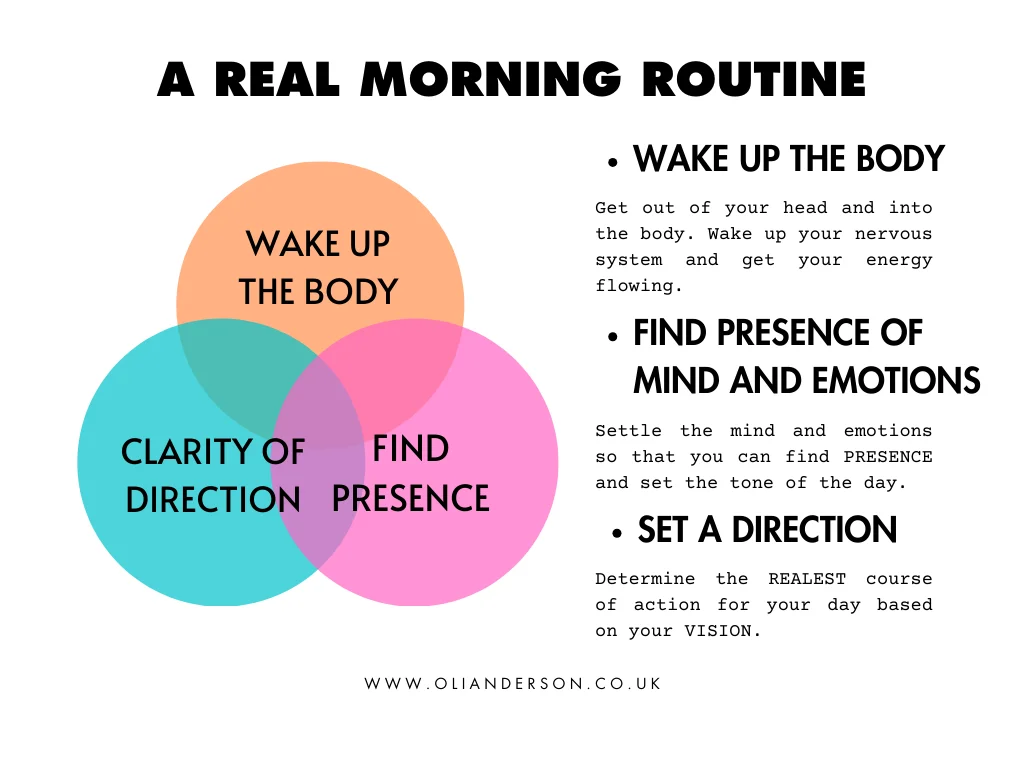
Early rising is not just about setting an alarm; it involves overcoming psychological and physical hurdles. Sleep inertia, the groggy feeling experienced right after waking up, can make it tough to get moving. Physically, the body’s circadian rhythm determines when you feel sleepy or alert, and if this rhythm doesn’t align with an early start, mornings can be miserable. Psychologically, stress and anxiety about the day ahead can disrupt restful sleep, further complicating the ability to wake refreshed. Understanding these barriers is the first step toward designing a routine that acknowledges and works with your natural tendencies rather than against them.
Assessing Your Current Morning Habits
Tracking Sleep Patterns and Wake Times
Before making changes, it’s essential to understand where you currently stand. Many professionals, like Ethan, an IT consultant, have a habit of waking up at different times each day depending on workload or evening activities. By tracking sleep and wake times for a week or two, you can identify patterns—whether you’re consistently getting enough sleep or frequently oversleeping due to accumulated fatigue. Using a simple journal or a sleep tracker app can help highlight how your current habits either support or hinder your morning routine goals.
Identifying Inefficient or Stressful Morning Practices
Sometimes, the way we start the day adds to morning stress rather than alleviating it. For instance, Monica, a sales executive, used to scroll through emails and social media the moment she woke up, which often left her feeling overwhelmed before even stepping out of bed. Taking a moment to reflect on such habits lets you pinpoint what isn’t serving your morning productivity. Perhaps your morning is rushed because you skip breakfast or you’re stuck deciding what to wear. Recognizing these inefficiencies allows you to tackle them head-on in your new routine.
Setting Realistic Goals for Your Morning Routine
How to Define Success for Your Morning
When setting goals for your morning, it helps to focus on what success truly means for you. Is it having a quiet half-hour to enjoy coffee, squeezing in exercise, or simply getting out the door without rushing? Tom, a project manager, realized that redefining his success from “waking up at 5 a.m.” to “feeling calm and prepared before starting work” reduced his pressure drastically. Defining success in meaningful, personal terms keeps your motivation aligned with real benefits rather than abstract ideals.
Balancing Ambition with Practicality
Ambition drives change but can also lead to burnout if it’s too aggressive. For example, Jane, a lawyer, initially aimed to rise at 4 a.m. for yoga and journaling but found herself exhausted and slipping back into old habits. She learned to pace herself by starting with a 15-minute early wake-up shift, gradually adding activities over time. Balancing your goals with what’s realistically achievable ensures long-term adherence rather than quick burnout.
Step-by-Step Guide to Crafting Your Routine
Adjusting Bedtime for Better Wake-Up Times
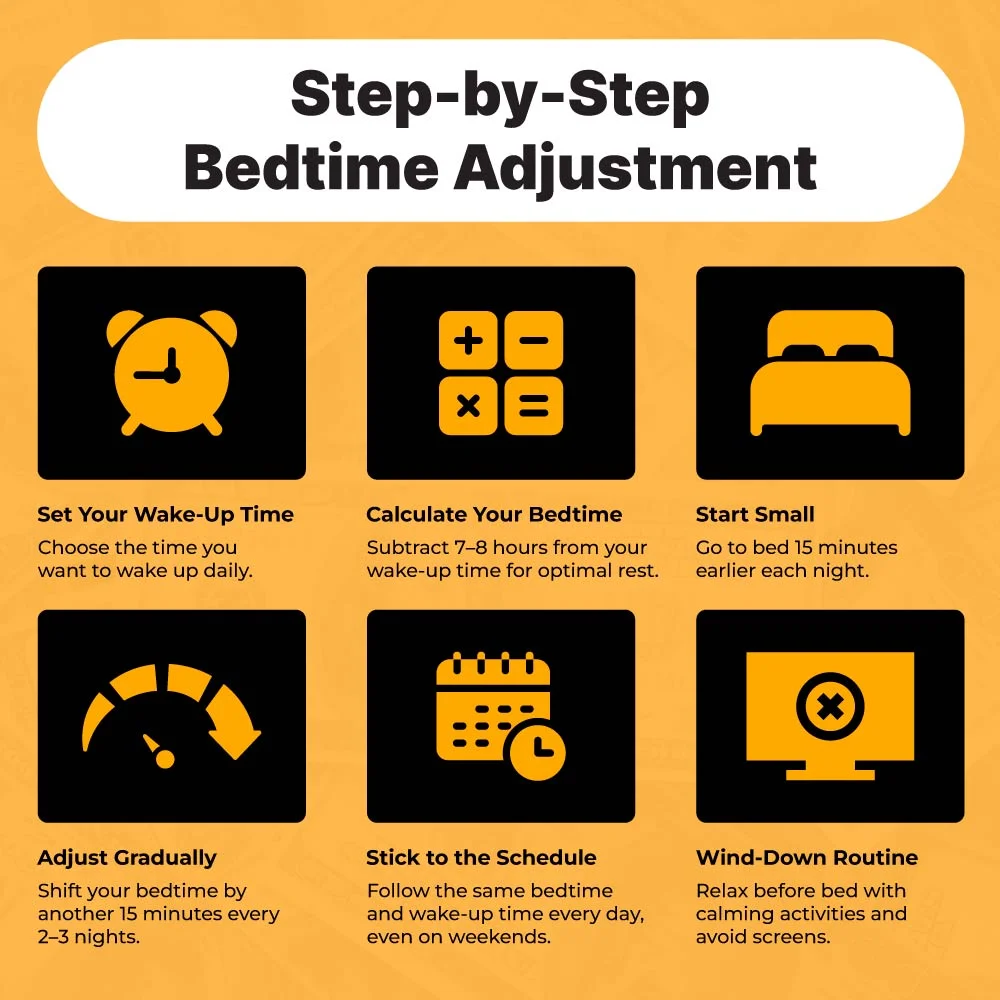
Setting a realistic wake-up time goes hand in hand with a consistent bedtime. Sam, an entrepreneur, struggled waking early because he was staying up late answering emails. By gradually shifting his bedtime 15 minutes earlier each night, his body adapted without feeling deprived. Prioritizing quality sleep supports easier mornings and makes early rising sustainable.
Incorporating Energizing Activities Without Overwhelm
Many professionals aim for a high-energy morning packed with workouts, meditation, and planning sessions but can become overwhelmed. Emma, a consultant, started with just a five-minute stretch routine partnered with a glass of water. This simple act created a wakeful buffer that gradually helped her add a few minutes of journaling later. Starting small avoids alienating yourself with big early-morning demands and ensures steady progress.
Using Alarms and Technology to Aid Wakefulness
Modern technology offers many tools to support your wake-up goals. Gentle alarms that simulate sunrise or apps that track sleep cycles can reduce grogginess. For instance, Ryan, an accountant, found that a gradual light alarm helped him wake feeling refreshed compared to a harsh buzzing sound. Pairing these tools with placing your alarm clock across the room encourages moving immediately upon waking, decreasing the temptation to snooze.
Optimizing Evening Habits to Support Early Mornings
Creating a Wind-Down Routine
Evenings set the tone for the next morning. Sarah, a designer, developed a wind-down ritual including reading a physical book and dimming lights 30 minutes before sleep. This habit signals her brain to prepare for rest and improves sleep quality. Such intentional evening routines help busy professionals avoid the trap of “burning the midnight oil” that sabotages early wake-ups.
Limiting Screen Time and Caffeine Before Bed
The blue light from screens and the stimulating effects of caffeine can disrupt your ability to fall asleep. Michael, a financial analyst, noticed difficulty falling asleep after late-night social media scrolling and coffee after 3 p.m. By shifting phone use to earlier in the evening and replacing late caffeine with herbal tea, his sleep improved, making early mornings less taxing.
Maintaining Consistency Amidst a Busy Schedule
Strategies for Staying on Track During Stressful Periods
Stressful workweeks and family emergencies can throw off the best routines. Amanda, a journalist, found that during deadlines, her morning routine would dissolve into chaos. She adapted by setting her routine to a “minimum viable” version—simple breathing exercises and a glass of water—maintaining a sense of structure without adding pressure. Flexibility paired with consistency helps keep momentum even when life gets hectic.
How to Adapt Your Morning Routine When Travel or Deadlines Intervene
Travel and tight deadlines can disrupt normal sleep and wake times. When Alex, a consultant, traveled across time zones, he shifted his routine to focus on hydration, light exposure, and gentle movement instead of rigid wake-up times. Similarly, during intense project phases, reducing the length of morning activities allowed him to maintain key habits without sacrificing rest. Adapting rather than abandoning your routine preserves benefits in challenging periods.
Tools and Apps to Support Your Morning Success
Top Apps for Sleep Tracking and Wake-Up Alarms
Sleep tracking apps like Sleep Cycle or Calm can provide insights into your sleep quality and help wake you at an optimal time during light sleep phases. These tools empower busy professionals to tailor their mornings to their unique rhythms rather than relying on fixed alarms. Additionally, apps that offer ambient sounds or guided meditations support a calm transition from sleep to wakefulness.
Products That Enhance Morning Energy and Focus
Simple products such as a quality water bottle by the bedside, a light therapy lamp, or a comfortable yoga mat can encourage consistency in your routine. For example, Maria, a project lead, credits her light therapy lamp during dark winter mornings for improved energy levels that facilitate earlier wake times. Small investments in supportive products ease the creation of enjoyable, sustainable morning habits.
Conclusion: Celebrating Progress and Adjusting Goals
Building a realistic morning routine is a dynamic process that reflects your lifestyle, priorities, and natural rhythms. As you experiment and adjust, remember to celebrate small victories—whether it’s waking up just 10 minutes earlier or enjoying a peaceful cup of tea. Like David, a software developer, who gradually transformed his mornings over months, consistent, mindful shifts unlock lasting improvements. Embrace flexibility, learn from setbacks, and keep refining your routine to support your best professional and personal self.


