
Understanding the Basics of Affordable Healthy Ingredients
Why Choosing the Right Ingredients Matters
For those new to meal prepping, selecting affordable yet nutritious ingredients can feel like a daunting task. However, the foundation of successful meal prep lies in making smart ingredient choices. Opting for wholesome foods that provide essential nutrients without breaking the bank not only supports a balanced diet but also helps avoid food waste. When your ingredients are both cheap and healthy, you set yourself up for consistent, satisfying meals that fuel your body throughout the day.
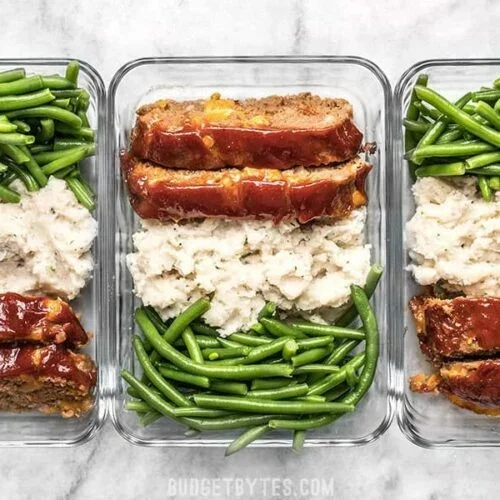
Common Myths About Cheap Healthy Foods
Many people assume that eating healthily is inherently expensive, or that low-cost foods lack nutritional value. This misconception often discourages beginners from exploring budget-friendly meal prep options. In reality, there is a wide range of affordable foods rich in vitamins, minerals, and protein. For example, pantry staples like beans and frozen vegetables can be highly nutritious. Understanding these myths empowers shoppers to make informed decisions without unnecessary financial strain.
Smart Shopping Strategies for Budget-Friendly Meal Prep
Creating a Cost-Effective Grocery List
One major obstacle beginners face is overspending due to impulsive purchases or poorly planned shopping. To tackle this, crafting a detailed grocery list ahead of time is essential. Start by planning a few simple meals for the week and identify the core ingredients you need. Focus on versatile items that can be used across different recipes, reducing the need to buy many specialty products. This approach streamlines shopping and helps keep your budget intact.
Timing Your Shopping Trips to Maximize Savings
Shopping at the right time can significantly impact your grocery costs. Many stores offer discounts on fresh produce or nearing-expiration items during certain hours or days of the week. Being flexible with when you shop allows access to these deals, which might otherwise be missed. Additionally, buying in bulk during sales or seasonal peaks ensures you can stock up on essentials affordably.
Leveraging Discounts and Loyalty Programs

Ignoring store promotions or loyalty programs often leads to overspending. These programs can provide substantial savings through coupons, points, or exclusive deals on healthy products. Beginners can benefit from signing up for newsletters or downloading store apps to stay informed. Utilizing these offers strategically makes maintaining a nutritious diet more attainable without sacrificing quality.
Top Cheap Healthy Ingredients for Beginners
Affordable Proteins: Beans, Eggs, and More
Protein is a vital part of any meal, but many assume it must come from costly sources like meat or specialty products. For budget-conscious beginners, options like dried or canned beans, lentils, and eggs offer excellent nutritional value at a fraction of the price. These ingredients are not only filling but also versatile, making them ideal for a range of recipes from salads to stir-fries.
Low-Cost Vegetables That Pack a Nutritional Punch
Fresh vegetables are essential for balanced meals, but they can sometimes appear expensive. Selecting seasonal produce or opting for frozen vegetables can mitigate this problem. Frozen options often retain their nutrients and have a longer shelf life, reducing waste. Carrots, cabbage, spinach, and broccoli are examples of affordable veggies that provide considerable health benefits without straining your budget.
Staple Grains and Carbs for Easy Meal Prep
Grains and carbohydrates supply energy and create satisfying meals. Bulk purchases of rice, oats, whole wheat pasta, and potatoes tend to offer excellent value, especially when stored properly. These staples pair well with inexpensive proteins and vegetables, forming the backbone of many easy meal prep recipes suitable for beginners looking to stay healthy and save money.
How to Store and Prepare Ingredients to Save Money
Proper Storage Techniques to Extend Freshness
Poor storage is a common reason why fresh ingredients go to waste, inflating grocery bills unnecessarily. Learning to store fruits, vegetables, and grains correctly can extend their usability. For example, many vegetables benefit from refrigeration in breathable bags, while grains should be kept in airtight containers. Taking these steps helps preserve the quality of your purchases and reduces the frequency of shopping trips.
Batch Cooking and Portion Control Tips
Another way to maximize spending on ingredients is by cooking in batches and managing portion sizes. Preparing larger quantities of meals at once cuts down on time spent cooking and often uses ingredients more efficiently. Portion control ensures that food lasts longer and prevents overeating, supporting both budget and health goals. Freezing individual portions further extends the life of prepared dishes and simplifies mealtime throughout the week.
Sample Meal Prep Plans Using Budget Ingredients
Simple Breakfasts
Starting the day with an affordable, nutritious breakfast sets a positive tone. Options like overnight oats with frozen berries or scrambled eggs paired with sautéed spinach offer quick preparation without expensive ingredients. These meals combine protein, fiber, and vitamins to keep energy levels stable until the next meal.
Quick and Healthy Lunch Ideas
For lunch, assembling meals that use beans or lentils alongside seasonal vegetables and whole grains can be both satisfying and economical. A lentil salad with fresh cabbage, carrots, and a simple dressing is easy to prepare in advance and transports well for busy days.
Easy Dinner Recipes for Beginners
Dinners can be simple yet nourishing by focusing on batch-cooked proteins and vegetables. For instance, a stir-fry featuring eggs or beans with frozen mixed vegetables and rice is fast to make and uses budget-friendly ingredients effectively. This approach helps maintain balanced nutrition without overwhelming those new to cooking.


