
Introduction to Balanced Breakfasts and Natural Foods
Why Breakfast Matters for Sustained Energy
Imagine Sarah, a busy professional juggling work deadlines and family demands. She used to skip breakfast or grab sugary pastries, leaving her feeling drained by mid-morning. The breakfast you choose can set the tone for your entire day. Eating a balanced breakfast provides your body with the fuel it needs to maintain focus, stamina, and mood throughout hectic mornings. Skipping this meal or opting for quick, processed snacks often leads to energy crashes, overeating later, and reliance on caffeine.
Defining Natural Foods in Your Morning Meal
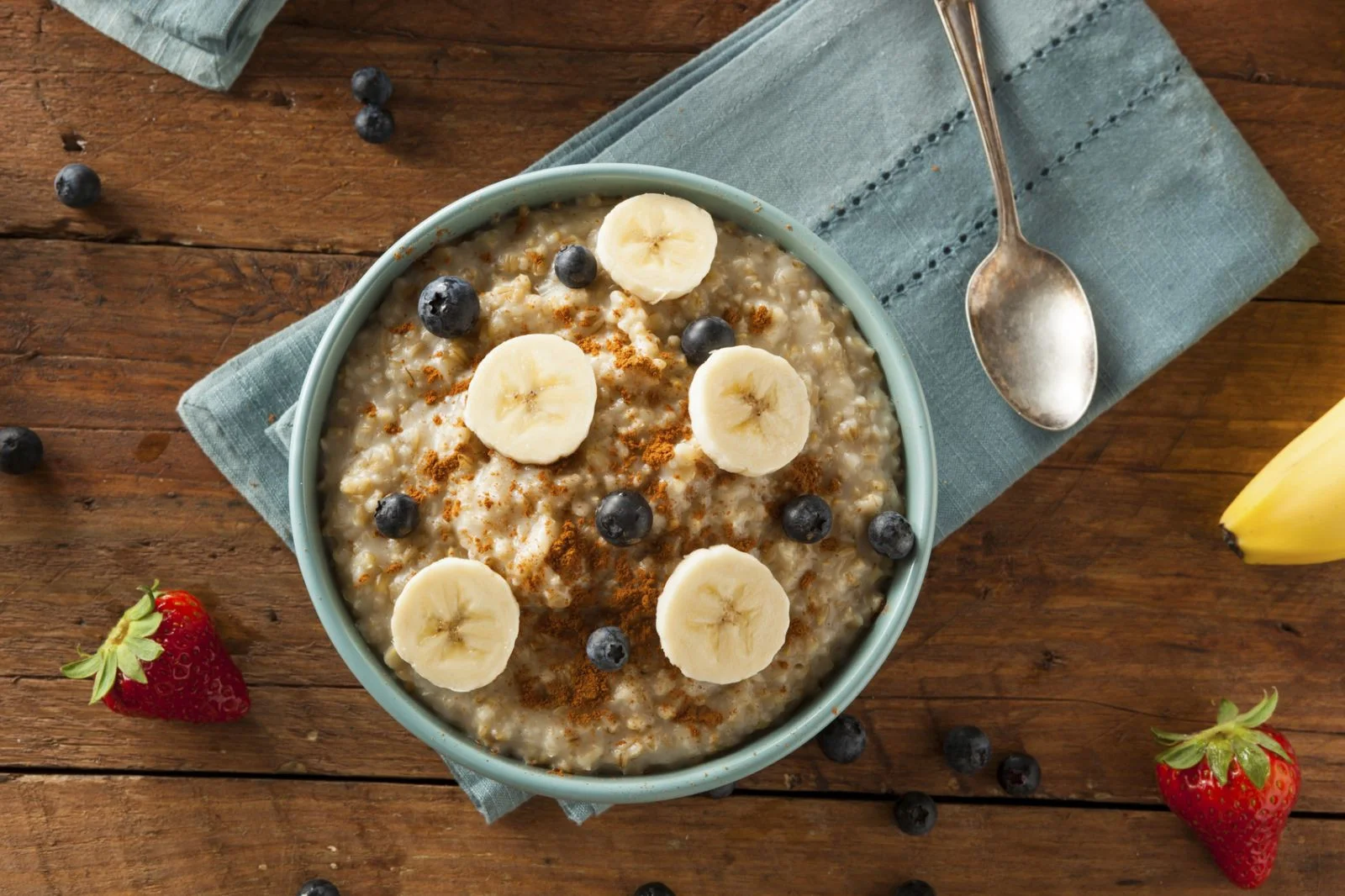
Natural foods are those close to their original state, minimally processed, and free from artificial additives. Think of fresh fruits, whole grains, nuts, seeds, eggs, and vegetables. For instance, choosing a bowl of oatmeal topped with fresh berries instead of a boxed cereal full of refined sugars aligns with embracing natural foods. These ingredients provide a combination of vitamins, minerals, and fiber that processed options often lack, supporting steady energy release.
Key Nutrients for a Balanced Breakfast
Importance of Complex Carbohydrates
Complex carbohydrates are the unsung heroes of sustained energy. Unlike simple sugars that spike blood glucose and cause quick crashes, complex carbs found in whole grains and starchy vegetables digest slowly. John, an avid runner, noticed that switching from white toast to whole-grain bread boosted his morning stamina during workouts. These carbs maintain glucose levels over time, ensuring your brain and muscles stay fueled.
Role of Proteins in Energy Maintenance
Protein doesn’t just build muscle—it stabilizes energy by slowing carbohydrate absorption and keeping you full longer. Incorporating eggs, Greek yogurt, or nuts at breakfast can prevent the mid-morning slump many experience. Consider Anna, a teacher who added a scoop of cottage cheese to her breakfast and found her concentration improved until lunch. Protein helps avoid the temptation to reach for sugary snacks during busy mornings.
Healthy Fats and Their Benefits in the Morning
Often misunderstood, healthy fats play a critical role in morning nutrition. Avocados, nuts, seeds, and olive oil provide essential fatty acids that support brain function and satiety. Mike started adding a spoonful of almond butter to his morning smoothie and noticed more consistent energy levels plus better mood regulation. Unlike saturated fats, these healthy fats help sustain energy without causing digestive discomfort.
Step-by-Step Guide to Crafting Your Natural Breakfast
Choosing Whole, Unprocessed Ingredients

The foundation of a balanced breakfast begins with your ingredient selection. Opt for whole fruits instead of juices, choose steel-cut oats rather than instant packets, and pick fresh eggs over pre-packaged egg whites. Shopping the perimeter of the grocery store, where fresh produce, dairy, and meat are displayed, can help avoid hidden sugars and preservatives. For example, swapping processed sausage for sautéed mushrooms or beans adds natural nutrients without unnecessary additives.
Combining Macronutrients for Long-Lasting Energy
Balance is key. A breakfast with only carbohydrates, like a bagel or muffin, may cause a rapid energy spike followed by a slump. Mixing in proteins and fats moderates this effect. For example, a breakfast plate including whole-grain toast, scrambled eggs, and avocado slices combines essential macronutrients. This combination provides a slow, steady energy release that keeps you alert and satisfied until your next meal.
Portion Control Tips for Optimal Energy Without Overeating
It’s easy to think that bigger meals mean more energy, but overeating can cause sluggishness. Listen to your body’s hunger cues and aim for portions that satisfy without overloading. Using smaller plates or pre-measuring ingredients like nuts and seeds can prevent mindless overeating. Maria found that stopping when she felt just comfortably full instead of stuffed helped her maintain consistent energy without feeling weighed down.
Sample Balanced Breakfast Ideas Featuring Natural Foods
Smoothie Bowls with Fruits, Nuts, and Seeds
A vibrant smoothie bowl offers a great way to pack in nutrients with appealing textures. Blend spinach, banana, and Greek yogurt together, then top with chia seeds, chopped almonds, and fresh berries. This combination delivers fiber, protein, and healthy fats in a colorful, refreshing meal. It’s a favorite for Lisa, who often prepares this the night before to save time without compromising nutrition.
Whole-Grain Toast with Avocado and Eggs
This classic combo is a perfect blend of complex carbs, healthy fats, and complete protein. Toasted rye or sourdough bread topped with mashed avocado and a poached or fried egg provides a satisfying and energizing start. Tom, a software developer, relies on this breakfast to keep his mind sharp for coding marathons, appreciating how it keeps him full for hours.
Overnight Oats with Berries and Natural Sweeteners
Overnight oats are an easy make-ahead option that combines rolled oats soaked in milk with fresh or frozen berries. Adding a drizzle of honey or maple syrup gives just the right touch of sweetness without excess sugar. Topped with walnuts or flaxseeds, it offers omega-3 fats and fiber. Emily credits this breakfast for helping her maintain stable blood sugar and energy throughout her busy school mornings.
Common Mistakes to Avoid When Building Your Breakfast
Relying on Processed or Sugary Foods
Many people fall into the trap of grabbing sugary cereals, pastries, or breakfast bars that claim to be “healthy.” These often contain hidden sugars and refined flours that cause quick energy crashes. Mark noticed that after eating a doughnut for breakfast, his mid-morning energy tanked, leaving him craving more sugar. Steering clear of highly processed foods can avoid this detrimental cycle.
Skipping Essential Macronutrients
Some opt for just fruit or coffee in the morning, which lacks vital proteins and fats. This imbalance can lead to irritability, poor concentration, and overeating later. Sophie used to drink only coffee before work, but after adding eggs and nuts to her breakfast, she experienced steadier moods and better control over cravings. Including all macronutrients ensures a more comprehensive energy source.
Additional Tips to Enhance Your Morning Energy
Hydration and Its Role Alongside Breakfast
Hydration often goes overlooked. Drinking a glass of water first thing helps jumpstart your metabolism and supports nutrient absorption. Adding a squeeze of lemon can provide a refreshing boost. James found that pairing his breakfast with water improved digestion and kept his energy more consistent throughout the morning.
Timing and Eating Routine for Consistent Energy Levels
Establishing a regular eating schedule helps maintain blood sugar stability and prevents extreme hunger. Eating breakfast within an hour of waking sets this rhythm. For example, Maria schedules her breakfast after her morning walk, which primes her appetite and digestion. Consistency in timing avoids energy dips caused by erratic eating patterns.
Conclusion
Creating a balanced breakfast with natural foods is a practical way to fuel your day with lasting energy. Emphasizing whole, unprocessed ingredients and combining complex carbohydrates, proteins, and healthy fats makes a tangible difference, as seen in everyday experiences of people like Sarah, Tom, and Emily. Avoiding common pitfalls like sugary, processed options or neglecting key macronutrients further enhances your morning fuel. Pairing this with proper hydration and a consistent routine ensures your body and mind stay energized, focused, and ready for whatever the day brings.


