
Understanding the Essentials of Budget-Friendly Family Road Trips
Why Packing Smart Saves Money and Stress
Family road trips offer a wonderful opportunity to bond and explore new places, but they often come with unexpected expenses and packing dilemmas. Packing smartly is essential to avoid unnecessary purchases on the road, which can quickly inflate travel costs. When families pack thoughtfully, they reduce the chance of forgetting critical items that might require expensive replacements or lead to inconvenient detours. Beyond finances, organized packing also minimizes stress by making sure everyone has what they need, enhancing the overall travel experience.
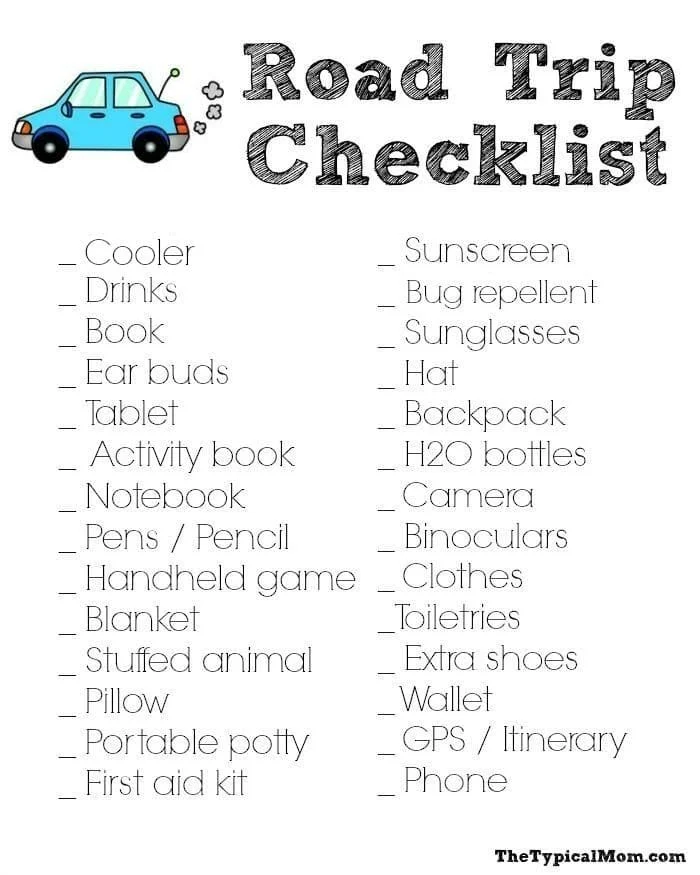
Key Factors to Consider Before Packing
Before starting your packing checklist, consider important factors such as the length of your trip, the ages and preferences of family members, and the climate of your destination. Long trips require more careful planning in terms of clothing, food, and entertainment, whereas shorter trips might demand less preparation but still need attention to essentials. Additionally, think about your vehicle’s storage space and how you will organize your items to balance comfort and convenience during the journey.
Step-by-Step Guide to Building Your Packing Checklist
Assessing Your Family’s Needs and Trip Duration
One of the first challenges families face is guessing how much to bring without overpacking. The root cause of packing overload is a lack of clarity about the trip duration and each family member’s needs. To prevent this, start by listing the number of days and nights you will be away, then tailor your items accordingly. For example, if children need daily medication or specific snacks, those should be highlighted. Evaluating these needs early on helps keep packing focused and efficient.
Prioritizing Multi-Use and Budget-Friendly Items
Road trips often push families toward buying single-use or specialty products that add up quickly. The solution is to focus on multi-use items that serve several purposes, such as clothing that can be layered or snacks that double as meals. Prioritizing items that adapt to different situations maximizes utility and limits spending. For instance, a compact first-aid kit can cover various minor injuries instead of purchasing new supplies along the way.
Creating Categories: Clothing, Food, Entertainment, and Safety
Organizing your packing checklist into clear categories helps avoid missing essential items and keeps the process manageable. Clothing should match the weather and be versatile, food items should include budget-friendly, non-perishable snacks, entertainment options ought to cater to various ages with minimal cost, and safety gear needs to cover emergencies without excess. This balanced approach ensures that all areas of family comfort and wellbeing are addressed without breaking the bank.
Top Tips for Saving on Road Trip Supplies
How to Source Affordable Packing Materials
Many families assume they need to purchase new bags or organizers specifically for the trip, which can be an unnecessary expense. Instead, look around your home for containers, reusable bags, or backpacks that can be repurposed. Dollar stores and discount outlets also offer budget-friendly packing materials that are perfectly adequate for short-term use, preventing overspending on items that will see little post-trip use.
Utilizing Household Items Instead of Buying New
Often, families make the mistake of buying specialized travel products without realizing that household items can serve the same function. For example, reusable water bottles and Tupperware already in the kitchen can replace travel-specific versions. Even common towels can act as makeshift blankets or picnic mats. Being creative with what you already own cuts costs and reduces packing clutter.
Where to Find Budget Deals for Travel Accessories
When new purchases are necessary, knowing where to find deals can substantially lower expenses. Seasonal sales, online marketplaces, and community resale groups are excellent sources for affordable travel accessories. Planning ahead to take advantage of these resources is crucial. Waiting to buy last minute at full price near travel time is a common pitfall that leaves families paying much more than needed.
Sample Budget-Friendly Packing Checklist for Families
Clothing and Personal Care Essentials
Start with versatile clothing items such as T-shirts, shorts, and lightweight layers that can be mixed and matched. Pack enough underwear and socks for each day, but avoid overpacking bulky items. For personal care, bring travel-sized toiletries and a small first-aid kit. Including essentials like sunscreen and insect repellent can prevent costly emergencies during the trip.
Snack and Meal Prep Items
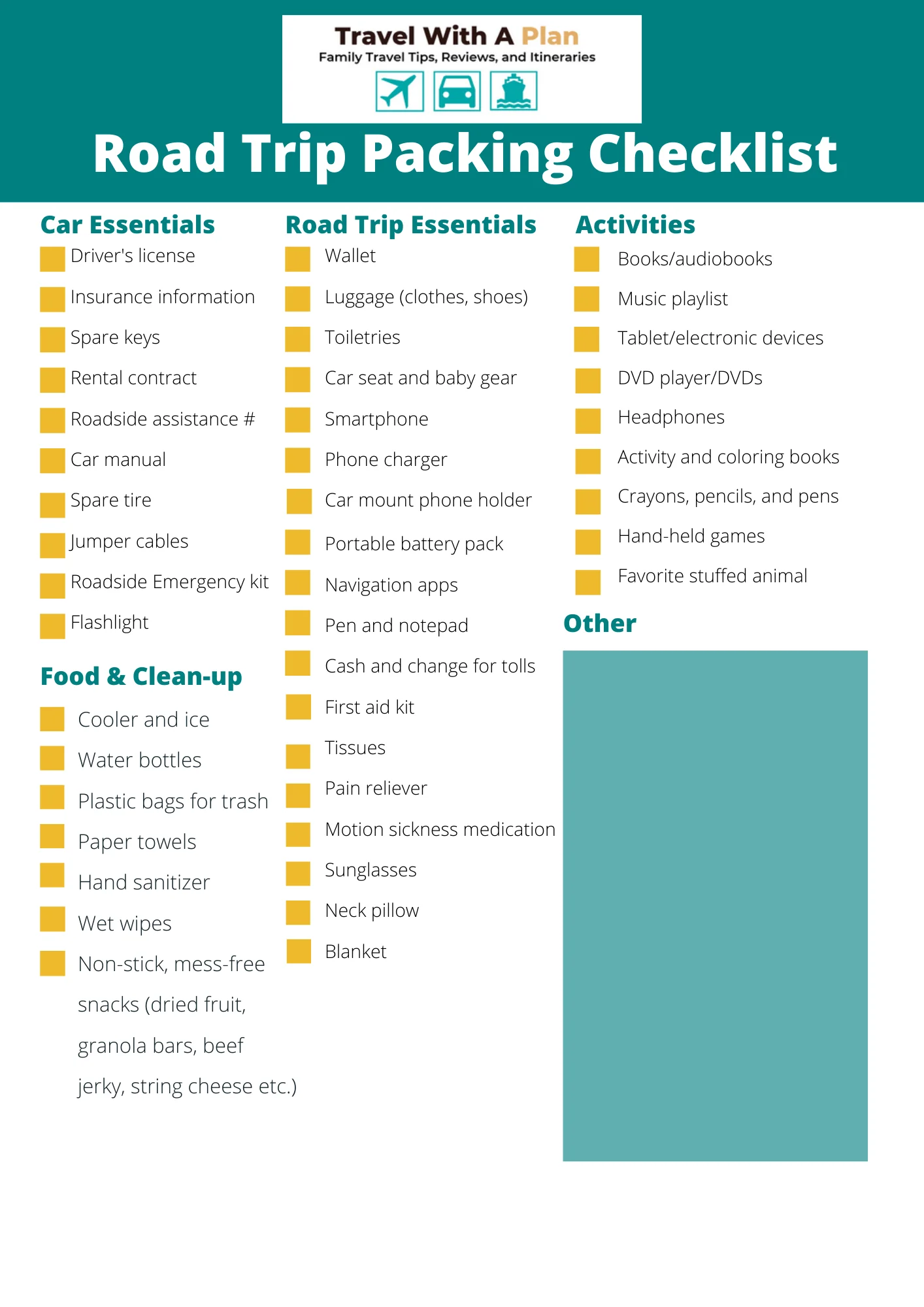
Bringing your own food is one of the best ways to stay on budget. Pack snacks like granola bars, nuts, and dried fruit, which are filling and inexpensive. Include reusable containers for portion control and reduce single-use packaging waste. For meals, think about easy-to-prepare options such as sandwiches and pre-cut veggies, along with refillable water bottles to avoid purchasing drinks on the road.
Entertainment and Comfort Tools
To keep children entertained without splurging on new gadgets, bring books, coloring supplies, and small travel games from home. Comfort items like a familiar blanket or travel pillows help reduce travel fatigue and may prevent the need for costly stops or purchases. Preparing a playlist or downloading movies beforehand also eliminates the need for paid entertainment options during the drive.
Safety and Emergency Gear
Safety should never be compromised to save money, but it doesn’t require expensive gear either. Include items like a flashlight, basic first-aid supplies, a multi-tool, and roadside emergency kits. Double-check that your vehicle’s spare tire and jack are in good working condition before departure. Simple preparation in this category can prevent costly roadside assistance or worse incidents.
Final Pre-Trip Checklist and Packing Organization Tricks
Double-Checking Your List Before Departure
Failing to review your packing list is a common cause of forgotten essentials, which can disrupt plans and lead to unplanned expenses. Before leaving, take time to cross-check each category against your checklist and discuss with your family to confirm no one has overlooked important items. This final review helps ensure you depart confidently and well-prepared.
Packing Cubes and Space-Saving Hacks
Maximizing space is not just about what you pack but how you organize. Packing cubes are excellent for segmenting belongings by category, making it easier to find items quickly and use vehicle space efficiently. Rolling clothes instead of folding can reduce wrinkles and save space. Using these simple hacks minimizes the need for unnecessary luggage or additional storage solutions that can inflate costs.


