
Understanding the Impact of Morning Stress on Parents
Common Sources of Stress Before School
For many parents, the morning is an intense period filled with multiple tasks that demand attention. From waking children up on time to making sure lunches are packed, backpacks are ready, and everyone is dressed appropriately, the list can feel overwhelming. Imagine a typical weekday morning: a child dawdling over breakfast, a last-minute search for a missing shoe, and the clock steadily ticking toward departure time. These types of pressure points are common sources of stress, often exacerbated by the unpredictable moods and needs of children who may not always respond promptly or cooperatively.
How Stress Affects Parental Well-being and Family Dynamics
When mornings are rushed and fraught with tension, parents often find themselves starting the day already drained. This stress can affect not only physical health but emotional well-being, leading to irritability and decreased patience. Over time, these feelings can strain relationships between parents and children, as well as between partners who share morning responsibilities. The ripple effect touches the entire household atmosphere, making mornings a source of conflict rather than calm. A stressful start can set the tone for the day, making it harder for both parents and children to navigate the hours ahead with ease.
Designing Your Personalized Calm Morning Routine
Assessing Your Current Morning Patterns

Before crafting a new routine, it’s valuable to take a step back and observe what’s currently happening each morning. You might find it helpful to jot down the timeline of events, noting where bottlenecks or conflicts typically occur. For example, one parent shared how they realized their child’s reluctance to eat breakfast was causing repeated delays. This insight allowed them to adjust meal times and offer choices the night before, which eased the morning rush. Understanding your unique challenges lays the groundwork for a routine that fits your family’s rhythm, rather than forcing a one-size-fits-all schedule.
Incorporating Mindfulness and Relaxation Techniques
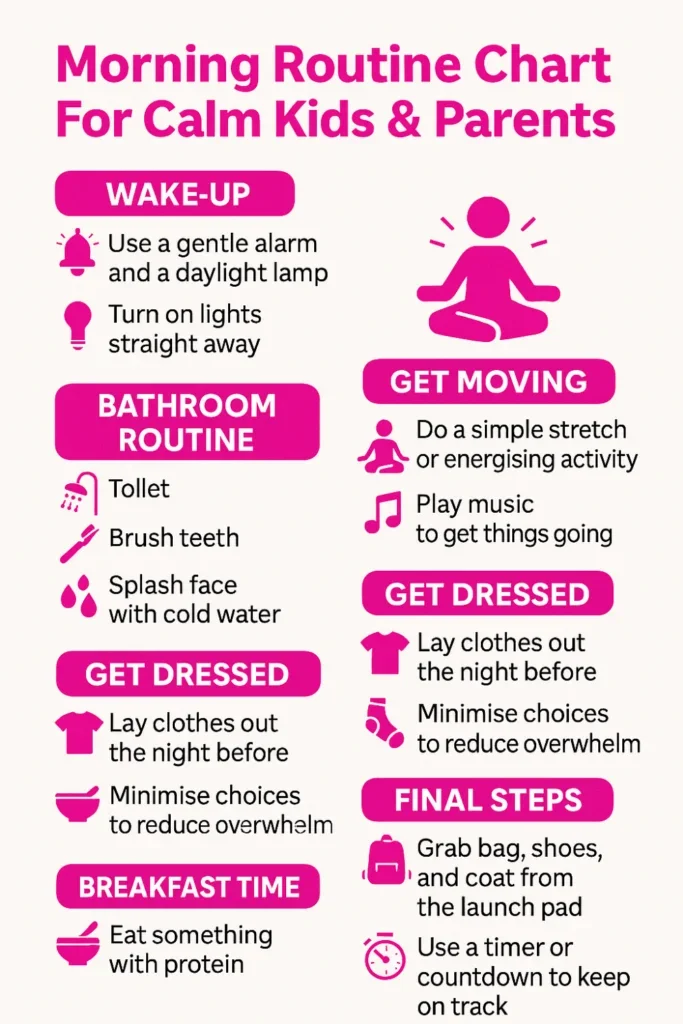
Introducing moments of mindfulness can transform a chaotic morning into a more serene experience. Even a brief pause, such as taking a few deep breaths before engaging the day’s tasks, can help center a parent’s mindset. Some families find that playing soft music or using gentle lighting creates a calm environment that supports relaxation. One mother described how spending just five quiet minutes sipping her coffee before waking the kids changed the tone of her entire morning. These small but intentional practices invite calmness and prepare everyone emotionally for the day ahead.
Simple Breakfast and Preparation Tips for Stress-Free Mornings
Food often plays a central role in the morning hustle, yet it can also be a source of contention. Preparing breakfast options that are quick, nutritious, and appealing to children helps minimize delays. Additionally, organizing lunches and school bags the night before can remove a layer of last-minute stress. One father shared how keeping a basket with ready-to-go snacks and lunch supplies near the kitchen counter streamlined his mornings significantly. Over time, streamlining food and preparation routines fosters predictability and helps maintain a peaceful start to the day.
Practical Tools and Habits to Maintain Calm
Use of Checklists and Timers
Visual aids such as checklists can guide both parents and children through the morning steps, reducing the mental load. A simple whiteboard listing tasks like “brush teeth,” “put on shoes,” and “grab backpack” gives children a clear roadmap to follow with less verbal prompting. Similarly, timers can introduce a playful element of time awareness, helping kids understand when it’s time to move on to the next activity without feeling rushed. One parent described how setting a timer for breakfast encouraged a sense of friendly competition, ultimately speeding up the process while keeping moods light.
Engaging Children in Routine Responsibilities
Turning morning tasks into collaborative activities empowers children and builds their sense of responsibility. Parents who involve their kids in selecting clothes, preparing breakfast components, or double-checking backpacks often notice greater cooperation. This approach also nurtures independence and confidence, as children learn practical skills and feel trusted. One family made a game out of packing lunches together, which turned a potential point of friction into a bonding ritual. Engaging children in routine roles shifts mornings from being a battle to becoming a partnership.
Adjusting Your Routine for Different School Days
Weekdays vs. Weekend Preparation Differences
School mornings often require stricter schedules than weekends, when priorities shift and timelines are more flexible. Recognizing this distinction is important for adapting routines accordingly. For example, a parent might embrace a more structured checklist during weekdays, but adopt a looser, relaxed approach on weekends to allow for rest and spontaneous family time. One family explained how weekend mornings became opportunities for shared breakfast making and slower starts, helping everyone recharge. Tailoring the routine to fit the day type prevents burnout and respects the changing pace of family life.
Strategies for Unexpected Morning Challenges
No matter how well planned, mornings can bring surprises — a forgotten homework assignment, a sudden change in weather, or a child feeling unwell. Having backup plans and flexibility built into routines can ease the impact of these disruptions. For instance, maintaining a “go-bag” with essential school items or having extra breakfast options ready can save precious time. Furthermore, practicing calm communication and problem-solving models healthy behavior for children. A parent recounted how calmly addressing mishaps instead of reacting with frustration helped everyone stay grounded and focused, turning challenges into teachable moments.
Long-Term Benefits of a Calm Morning Routine
Improved Parent-Child Relationships
Establishing calm mornings consistently can deepen the bond between parents and children. When mornings aren’t dominated by conflict, there’s more space for positive interactions like sharing smiles, brief conversations, or even a simple hug before school. These moments create emotional safety and trust, setting a positive tone that can carry through the day. Many parents notice their children become more willing to cooperate as they learn to expect supportive, patient mornings. This can reduce daily friction and build stronger family connections over time.
Positive Effects on Children’s School Performance and Attitude
Beginning the day with calmness doesn’t only benefit family dynamics—it also influences children’s readiness for school. Children who experience peaceful mornings often arrive at school feeling more focused and less anxious. This emotional stability can translate into better concentration, participation, and attitude in the classroom. Parents have shared stories of their kids becoming more enthusiastic about school and less resistant to morning routines once stress was minimized. A calm start fosters a positive mindset, equipping children for success in both academic and social settings.


