
Understanding the Importance of a Morning Routine for Preschoolers
Impact of Mornings on Preschoolers’ Mood and Behavior
Mornings can be a pivotal part of the day for preschoolers. Imagine a child named Mia who wakes up to a rushed and chaotic start—shouting, misplaced shoes, and last-minute scrambling. The stress in that environment quickly translates to her mood, making her more irritable and less cooperative throughout the morning. On the other hand, when the start of the day follows a predictable and gentle rhythm, like with Lucas, who enjoys a calm breakfast and a small brushing session followed by a few minutes of play, the child tends to be more relaxed and ready to engage positively. These early hours set the tone not only for the day but also influence behavioral responses at preschool and at home.
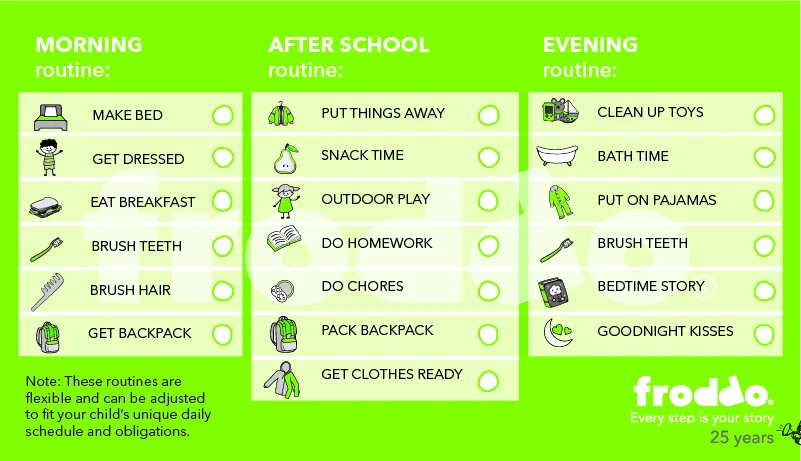
Long-Term Benefits of Consistent Routines
Building a steady morning routine for a preschooler does more than just ease stress temporarily. Over time, it fosters a sense of security and independence. For instance, Sophie’s parents noticed that after a month of consistent mornings, she began taking initiative, like putting on her own shoes or choosing her breakfast. This consistency promotes emotional regulation and helps children develop time management skills early on. It also reassures them that they can predict what comes next, reducing anxiety about transitions that are common at this age.
Steps to Design an Effective Morning Routine
Assessing Your Child’s Needs and Preferences
Every child is unique, and recognizing this makes planning a realistic routine possible. Take Jonah, for example, who wakes up a little slower and benefits from a quiet start with some soft music, while Maya is more energetic and thrives when allowed a few minutes to move or dance before breakfast. Observing how your child naturally wakes up and which activities calm or energize them is a good foundation. It’s important not to impose an adult’s ideal but to tailor routines that align with the child’s temperament and developmental stage.
Setting Realistic Time Frames
Setting goals for what should happen each morning must be done with a sense of practicality. Parents often make the mistake of squeezing too many tasks into a short window, leading to frustration. If morning preparation realistically takes 45 minutes, plan your schedule accordingly, like getting the child up 10 minutes earlier than usual rather than rushing to fit everything into 30 minutes. Including buffer time can alleviate pressure and prevent the entire routine from collapsing if something unexpected happens.
Choosing Activities That Promote Calmness
Incorporating calming activities can dramatically improve a preschooler’s mood. Simple rituals—such as sitting down together for a nutritious breakfast, reading a short story, or practicing deep breathing—help create a peaceful start. For instance, Elena’s parents established a “morning hug” as the first thing after waking up, creating a warm connection that set a positive emotional tone. Avoiding screen time in the early morning is also key, as it can overstimulate rather than soothe young children.
Practical Tips to Implement the Routine Smoothly
Preparing the Night Before
The success of a morning routine often depends on the groundwork laid the evening prior. Emma’s mother found that setting out clothes and packing the preschool bag before bedtime eliminated last-minute searches and scramble. This preparation reduces stress by simplifying decisions in the morning, allowing more time for calm interaction. Additionally, establishing a calming bedtime routine ensures the child gets enough rest, which naturally makes mornings easier.
Using Visual Schedules and Reminders
Preschoolers are visual learners, so creating a simple chart or picture schedule can help them understand and anticipate morning activities. Liam’s parents made a colorful board with images of waking up, brushing teeth, breakfast, and dressing up. This not only gives Liam a clear structure but also lets him check off tasks himself, boosting confidence and cooperation. Using timers or gentle reminders also helps children stay on track without constant adult prompts.
Involving Your Child in Routine Planning
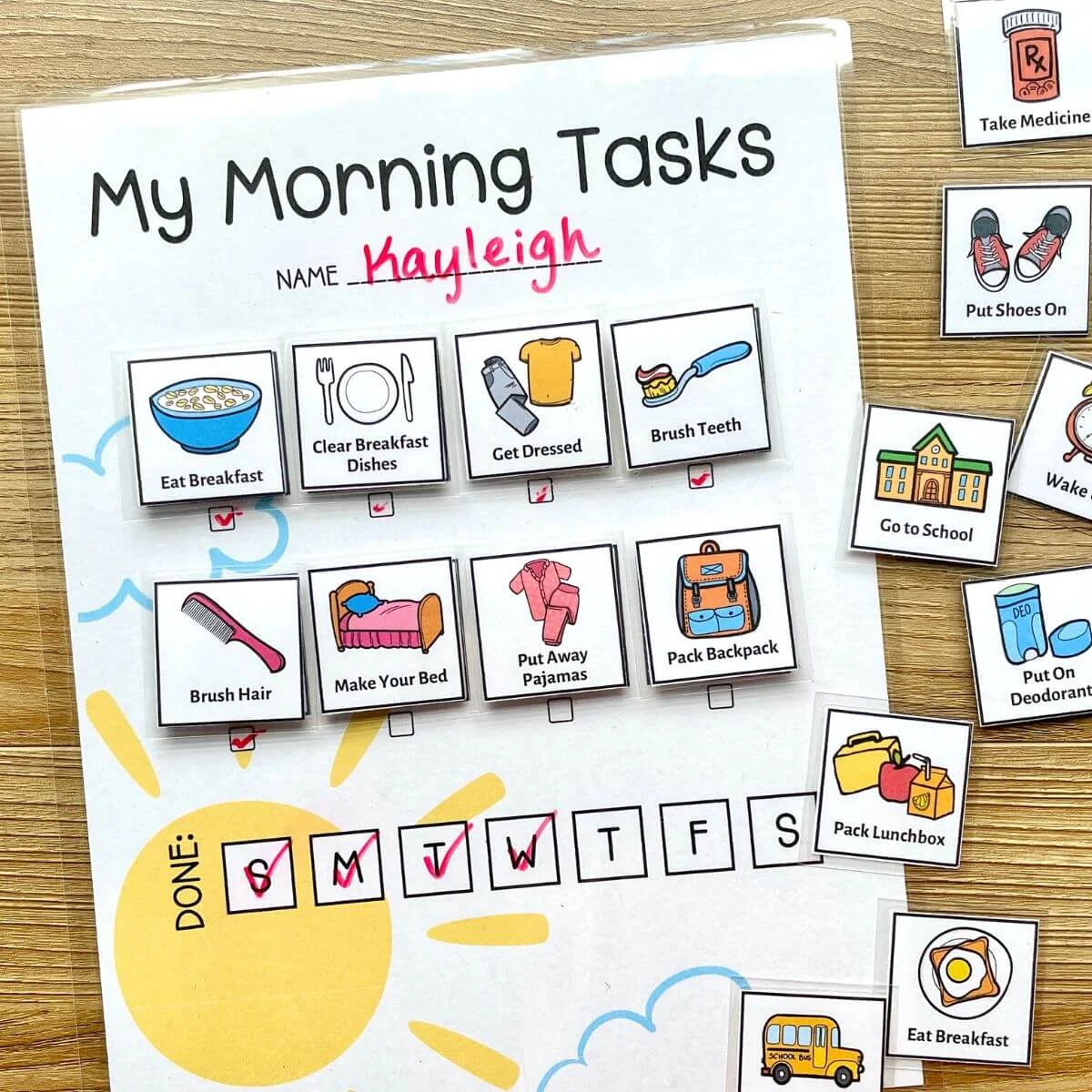
When children feel involved, they are more likely to embrace the routine. Anna’s parents asked her to choose between two breakfast options or pick which story to read in the morning. This small empowerment transformed her from a reluctant participant into a willing collaborator. Encouraging preschoolers to share preferences and make choices within the routine fosters ownership and reduces resistance.
Dealing with Common Challenges
Handling Resistance and Tantrums
Not every morning will be smooth, and resistance is common. When Max throws a tantrum about wearing shoes, his parents remain calm and use distraction techniques, like singing a silly song or turning it into a game. Recognizing triggers, such as feeling rushed or hungry, can help prevent escalation. Sometimes pausing the routine briefly to address the child’s emotions works better than pushing forward. Consistency combined with patience goes a long way in overcoming these hurdles.
Adjusting the Routine for Special Circumstances
Life is unpredictable, and routines must be flexible. On days when a family has an early appointment or a late night, the usual morning flow may need tweaking. For instance, when Olivia’s preschooler had a cold, the morning routine shifted toward extra cuddles and a slower pace without rigid timing. This adaptability helps maintain the routine’s framework without adding stress. It’s important to communicate these changes clearly and return to normal patterns as soon as possible.
Tools and Resources to Support Morning Consistency
Apps and Printables for Visual Schedules
Modern technology offers helpful aids for busy parents. Apps like “Choiceworks” or “Visual Schedule Planner” provide customizable templates that keep morning activities organized visually. Moreover, printable charts available online can be laminated and reused with markers, allowing for interactive checklists.
Recommended Books and Videos for Preschoolers
Incorporating stories and videos about morning routines is another way to encourage cooperation. Titles like “The Kissing Hand” focus on transitions, helping children understand and anticipate daily changes. Simple animated videos about brushing teeth or dressing habits can model desired behaviors in an engaging way. Using these mediums can complement the routine and make learning enjoyable.
Conclusion: Creating a Calmer Start to Each Day
Establishing a consistent morning routine for preschoolers requires thoughtful planning, flexibility, and patience. By tuning into a child’s unique needs, preparing ahead, and involving them actively, mornings transform from chaotic moments into peaceful beginnings. This consistency not only reduces stress for both children and parents but also lays a foundation for lifelong positive habits. Remembering that occasional disruptions are natural and adjusting accordingly ensures the routine remains a helpful guide rather than a rigid expectation. Ultimately, a calm, structured start creates a positive ripple effect that enriches the entire day.


