
Getting Started: Why Create an Indoor Science Lab for Kids?
Many parents seek ways to engage their children in hands-on learning at home, and a DIY indoor science lab is an excellent solution. Kids are naturally curious, but without the right environment, their interest in science can fade quickly. Creating a dedicated space filled with experiments encourages exploration, critical thinking, and a deeper understanding of scientific concepts. It turns learning from passive to active, making science both fun and memorable. With limited access to formal labs, especially in times when schools might have restrictions, having an indoor setup ensures children can continue their scientific journey safely and conveniently.
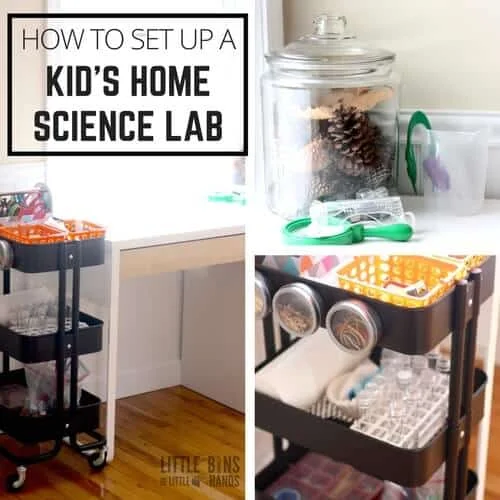
Essential Household Items for Your DIY Science Lab
Safe and Simple Materials Every Parent Should Have
Starting a science lab doesn’t require expensive or specialized equipment. Unfortunately, parents often hesitate because they think complex tools are necessary. The truth is, many safe and straightforward items found at home can serve as the foundation. Basic supplies like baking soda, vinegar, food coloring, and dish soap open up a world of experiments. These everyday materials reduce cost and eliminate the risk associated with harsh chemicals. Ensuring that the ingredients are non-toxic reassures both parents and children as they dive into their experiments.
Repurposing Common Kitchen and Bathroom Supplies
Many useful lab tools are hiding in plain sight around the kitchen and bathroom. For example, glass jars and plastic containers can double as beakers or storage for experiments. Strainers, measuring spoons, and droppers from the kitchen help with precise measurements and mixing. Cotton balls, paper towels, and even empty plastic bottles often become essential components in projects like crystal growing or simple circuits. Recognizing the potential of these household items not only saves money but also teaches kids about resourcefulness and sustainability.
Step-by-Step Guide to Setting Up the Lab Space
Choosing the Right Location at Home
Finding an ideal spot for the science lab is crucial yet often overlooked. A cluttered or unsafe area can quickly discourage kids from engaging with their experiments. The best location is a well-lit, ventilated space with enough surface area for conducting projects without distractions or hazards. This might be a corner of the kitchen, an unused table in the living room, or a section of the basement. Avoid places near valuable electronics or heavy foot traffic where accidents could happen.
Organizing Tools and Materials for Easy Access
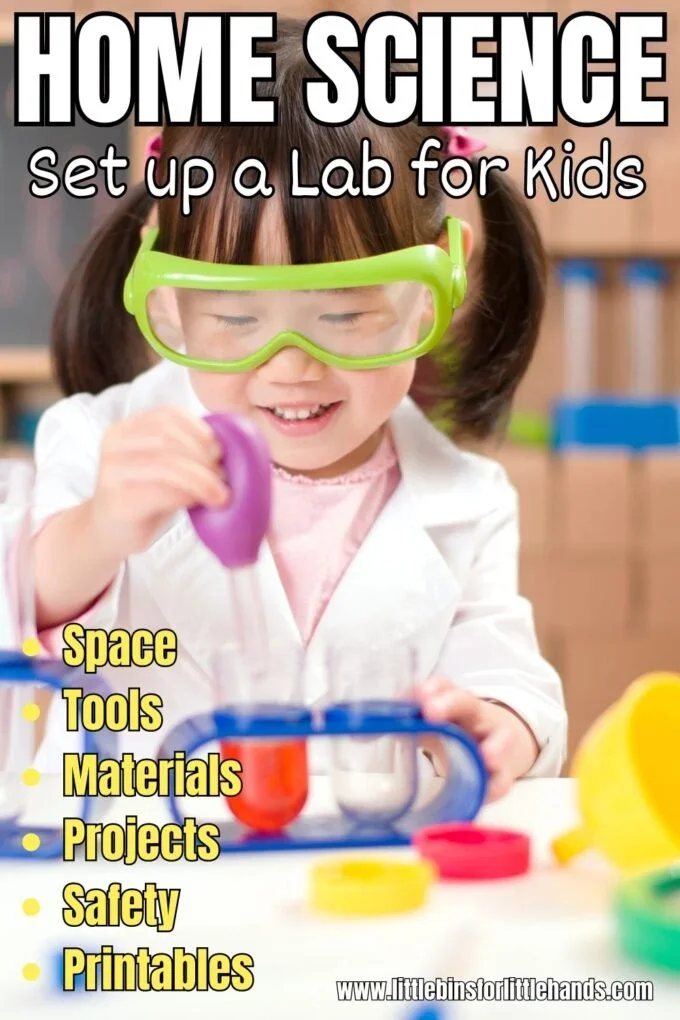
Once the spot is chosen, organization is key to sustaining interest and maintaining safety. A cluttered environment can lead to frustration or mishaps. Use clear bins, labeled containers, or shelves to keep materials sorted and accessible. Organizing by experiment type or frequency of use streamlines the process, allowing kids to find what they need quickly. Good organization also reinforces habits of cleanliness and responsibility, important skills beyond the realm of science.
Top 5 Easy and Educational Experiments to Try
Volcano Eruption with Baking Soda and Vinegar
The classic baking soda and vinegar volcano remains a favorite for good reason: it demonstrates chemical reactions in a visually exciting way. While the problem parents face is often how to make science tangible for kids, this experiment clearly shows how two common substances produce carbon dioxide gas, causing the eruption. By building the volcano from household materials like clay or paper, children engage creativity while learning chemistry basics.
Creating a Homemade Lava Lamp
Lava lamps captivate with their mesmerizing movement, but commercial versions are costly and often contain chemicals parents prefer to avoid. Making one at home using vegetable oil, water, food coloring, and effervescent tablets offers a safe and DIY alternative. This experiment teaches about liquid density and chemical reactions, turning a simple kitchen setup into a visually stunning lesson that holds children’s attention.
Exploring Surface Tension Using Pepper and Soap
Surface tension can seem abstract, but the pepper and soap experiment makes it tangible. Sprinkling pepper over water and adding soap shows how the surface tension breaks, causing the pepper to scatter. This hands-on demonstration addresses the problem of abstract concepts in science education, making it accessible and fun. It also encourages observational skills as kids note how different substances interact.
Building a Simple Circuit with Household Items
Electricity often intimidates parents and kids due to safety concerns, but simple circuits can be assembled safely with batteries, foil, and small bulbs or LEDs. By creating a working circuit, children learn about electricity flow and basic electronics principles practically. This experiment solves the common issue of teaching electricity without expensive kits, providing a foundation for more advanced projects later.
Growing Crystal Art at Home
Crystal growing combines chemistry with art, captivating children as they watch formations grow over days. Using common items like borax or sugar, kids can learn about saturation and crystallization. While this project requires patience, it introduces scientific observation over time, nurturing curiosity about natural processes that are otherwise invisible. This encourages kids to explore beyond immediate results and appreciate longer-term scientific phenomena.
Safety Tips and Supervision Guidelines
Safety is often the primary concern preventing parents from creating a DIY science lab. Household items might seem harmless but can pose risks if used improperly. Constant supervision is essential, especially with younger children. Use protective gear like gloves and goggles when necessary and ensure experiments are conducted on stable surfaces. Teach children to clean up promptly and store materials safely afterward. Clear communication about potential hazards cultivates respect for safety rules, allowing science to be enjoyable without accidents.
Encouraging Curiosity: How to Foster a Love for Science Beyond Experiments
Even the best DIY lab will fall short if enthusiasm isn’t nurtured consistently. It’s common for parents to focus solely on finishing experiments without expanding the learning. Encouraging questions, exploring related topics, and linking experiments to real-world applications deepen children’s interest. Discussing what happened, why it matters, and how it applies outside the lab makes science relevant. Visits to museums, science shows, or reading books tailored for young minds complement hands-on work, turning curiosity into a lifelong passion.
Resources and Further Reading for Aspiring Young Scientists
Parents often struggle to find reliable, age-appropriate resources for their budding scientists. Numerous websites, books, and kits can supplement home experiments, offering varied explanations and ideas. Libraries and online educational platforms provide free or affordable access to materials tailored for children’s learning styles. Guides that emphasize safety, clear instructions, and scientific principles help maintain interest and confidence. Connecting with communities or clubs focused on science encourages sharing discoveries and nurtures social learning experiences.


