
Introduction to Home Science Labs for Kids
Why Encourage Science Exploration at Home?
There’s something magical about watching a child’s eyes light up the moment they grasp how the world works. Encouraging science exploration at home not only nurtures curiosity but also builds critical thinking skills that last a lifetime. Kids are naturally inquisitive, and giving them a space to experiment freely helps transform their everyday environment into a playground of discovery. Whether it’s mixing colors or observing natural reactions, these moments are foundational in shaping young minds.
Benefits of DIY Science Labs Using Household Items
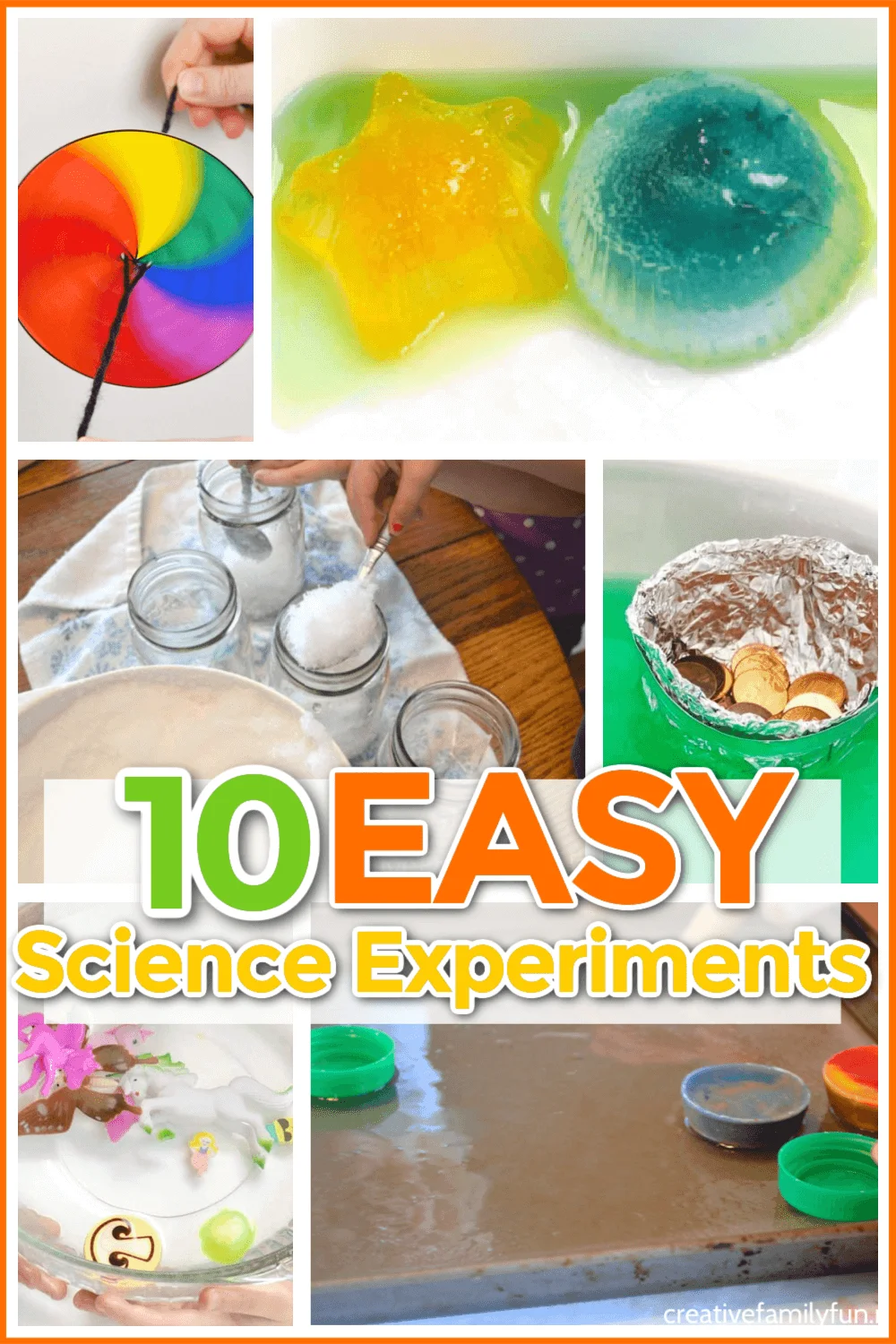
Establishing a DIY science lab at home doesn’t require expensive equipment or fancy gadgets. Using common household items makes science accessible and relatable. This approach demystifies scientific concepts, showing that experimentation is part of daily life. Plus, it’s a sustainable way to engage kids because they learn to see value in ordinary things. By repurposing materials found around the house, children develop resourcefulness alongside scientific knowledge.
Essential Safety Tips and Guidelines
Child-Friendly Lab Safety Practices
While a home science lab offers endless fun, safety must always come first. Simple practices like wearing protective gear, such as goggles and gloves, ensure kids are shielded from potential irritants. Teaching children to read labels on household substances and to avoid tasting or inhaling unknown compounds can prevent accidents. Encouraging handwashing after each experiment reinforces hygiene and reduces contamination risks.
Setting Up a Safe Work Space

Choosing the right spot for the lab is crucial. A clean, well-lit area with a sturdy surface helps keep experiments organized and contained. Using washable mats or trays can protect furniture from spills and stains. It’s wise to keep hazardous materials out of reach and to have a first aid kit nearby just in case. Creating clear boundaries, like a designated table or corner, helps kids focus and maintain order during their scientific adventures.
Gathering Materials: Everyday Items You Can Use
Common Kitchen Supplies
The kitchen is a treasure trove for DIY science projects. Vinegar, baking soda, sugar, salt, and food coloring open the door to countless experiments. Measuring cups and spoons teach kids about precision, while containers like jars, bowls, and plastic bottles serve as versatile vessels for mixing and observing reactions. Even simple items like spoons, paper towels, and strainers become essential tools for hands-on learning.
Recyclables and Trash That Work Wonders
Don’t toss those empty yogurt containers or cardboard tubes just yet! Recyclables can become building blocks for models and apparatuses. Egg cartons can hold small items or serve as sorting trays. Bottle caps make fantastic wheels or markers for experiments involving motion. By using these materials, children not only experiment with science but also learn about sustainability and creative reuse.
Simple Science Tools You Might Already Have
Basic tools are often right at your fingertips. Thermometers, magnifying glasses, rulers, and timers can turn simple activities into structured experiments. Even a flashlight plays a role in exploring light and shadows. If you have a small magnet, it’s perfect for demonstrating magnetic fields. These accessible tools deepen understanding without overwhelming complexity.
Step-by-Step Projects to Start With
Creating a Homemade Volcano
A homemade volcano is a timeless classic that captivates kids with its eruptive display. Using baking soda and vinegar inside a model made from clay or recycled materials, children can witness an exciting chemical reaction firsthand. This project teaches about acids and bases, as well as introduces geological processes in an engaging, hands-on way.
Building a Mini Water Cycle Model
Understanding the water cycle becomes tangible when kids see it in action. By filling a clear plastic container with water and placing it under a lamp or sunlight, condensation, evaporation, and precipitation can be observed in miniature form. Adding elements like small plants or soil enhances the model, making the science behind rain, clouds, and evaporation easier to grasp.
Exploring Static Electricity with Balloons
Static electricity experiments are simple yet surprisingly fun. Rubbing a balloon on different fabrics and then observing how it attracts small pieces of paper or makes hair stand up introduces children to invisible forces at play. These projects stimulate questions about why certain materials behave differently and open pathways to understanding electricity in everyday life.
Enhancing the Learning Experience
Documenting Experiments Like Little Scientists
Encouraging kids to record their observations transforms casual play into meaningful study. Simple notebooks or sketch pads can be used to jot down what happened during each experiment, draw diagrams, or make predictions before testing. This practice not only improves memory retention but also nurtures scientific thinking and communication skills.
Incorporating Fun Science Challenges
Adding challenges such as “Can you make the bubble last the longest?” or “How many different materials can you test with static electricity?” injects playful competition and creativity. These mini-challenges encourage problem-solving, critical thinking, and persistence. They also give kids a sense of achievement when they overcome obstacles or discover new results.
Additional Resources and Inspiration
Books and Online Platforms for Kids’ Science
There’s a wealth of books tailored for young scientists that provide clear explanations, vibrant pictures, and step-by-step activities. Online platforms and educational videos offer interactive lessons and demonstrations that can complement hands-on experiments. Exploring these resources can spark new ideas and deepen understanding beyond the home lab.
Joining Science Communities and Clubs for Support
Connecting with other parents, educators, or kid-friendly science clubs creates a supportive network. These communities share tips, troubleshoot challenges, and celebrate successes together. They often host workshops or group experiments, giving children the chance to collaborate and learn in social settings, which enriches the overall experience.
Conclusion
Creating a DIY science lab at home using everyday household items is a wonderful way to foster curiosity, creativity, and a lifelong love of learning. With careful attention to safety, accessible materials, and engaging projects, parents can provide a meaningful environment for children to explore scientific concepts. The key is to keep it fun, encouraging exploration and discovery every step of the way. By making science approachable and exciting, you’re helping shape a future generation of thinkers and innovators.


