
Understanding the Basics of Road Trip Packing for Families
Why a Packing Checklist is Essential
Traveling with kids requires meticulous planning, and a packing checklist serves as a crucial tool to keep everything organized. It ensures you don’t forget vital items needed for comfort, safety, and entertainment during the journey. Without a checklist, last-minute packing often leads to stress and overlooked necessities that might affect the trip’s smoothness.
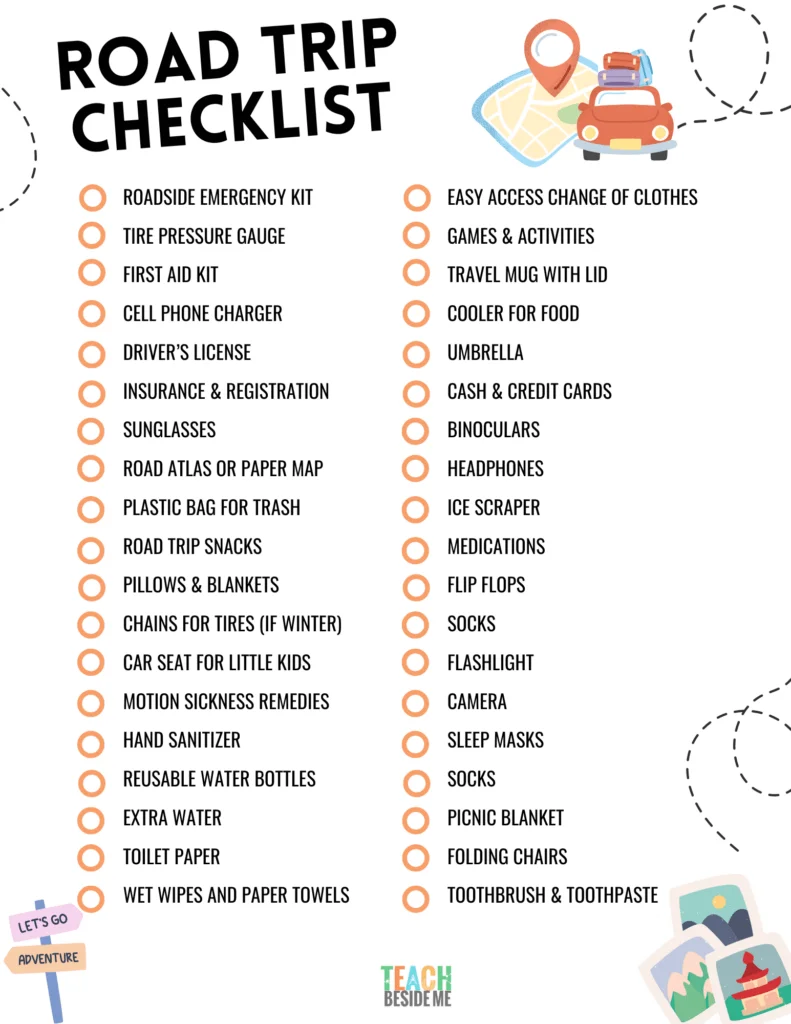
A well-prepared checklist saves time at departure and reduces anxiety. It provides peace of mind, helping parents focus on enjoying the trip rather than scrambling for missing items on the road.
Common Challenges Families Face on Road Trips
Families often encounter difficulties such as overpacking, forgetting essential items, or struggling to entertain children during long drives. Inadequate preparation can result in discomfort, frequent stops, and unnecessary expenses.
Young kids have unique needs that add complexity—snacks, toys, diapers, and comfort items must be thoughtfully packed. Balancing these requirements with limited car space and keeping the packing manageable poses a real challenge for many parents.
Step-by-Step Guide to Creating Your Family Road Trip Packing Checklist
Assessing Your Family’s Needs
Begin by evaluating each family member’s specific needs and preferences. Consider the ages of your children, health conditions, destination climate, and the duration of the trip. This assessment helps you tailor the checklist accurately without excess or gaps.
Involving everyone in this step ensures nothing important is missed and keeps the list practical. For example, toddlers might need more frequent diaper changes and nap supplies, while older kids might require electronics and books.
Essential Categories to Include
Organizing your checklist by categories makes packing systematic and efficient. Typical sections include clothing, food, entertainment, hygiene, and emergency supplies. Grouping items helps prevent double-packing or overlooking entire categories.
Additionally, listing travel documents, chargers, and navigation tools ensures a seamless travel experience. Categorization also aids in quick last-minute reviews before departure.
Prioritizing Items for Kids and Adults
When packing for families, prioritize comfort and necessity. Kids require familiar comfort items, such as blankets or favorite toys, to ease travel anxiety. Adults need practical essentials that support driving and caregiving, like snacks, first aid, and chargers.
Distinguishing between “must-haves” and “nice-to-haves” simplifies the list. Focus on items that directly impact safety and convenience, leaving extras for after you settle in or at your destination.
Must-Have Items for Family Road Trips
Clothing and Footwear
Pack versatile clothing suited to unpredictable weather. Include layers for varying temperatures, comfortable shoes for walking, and extra outfits for unexpected messes. For kids, emphasize easy-to-change clothes and weather-appropriate accessories like hats or raincoats.
Organizing clothes in packing cubes or separate bags helps maintain order throughout the trip.
Food and Snacks
Nutritious, non-perishable snacks are crucial to keep energy levels stable and avoid frequent stops. Pack a mix of fruits, nuts, granola bars, and treats tailored to your children’s tastes. Bringing a refillable water bottle for each family member encourages hydration.
Consider allergies and dietary restrictions carefully when selecting food items to avoid health issues on the road.
Entertainment and Comfort
Long hours in the car can be challenging for kids, so include toys, books, tablets, or audio stories for distraction. Headphones with volume control are useful to maintain peace in the vehicle.
Comfort items like neck pillows and blankets improve rest and relaxation. Plan activities that engage different age groups to keep everyone content during the drive.
Emergency and Health Supplies
A basic first aid kit with bandages, antiseptic wipes, and medications is vital. Don’t forget any prescription medicines your family members might need. Include sunscreen, insect repellent, and hand sanitizer for added protection.
Keep emergency contact numbers and insurance information handy, either digitally or as printed copies.
Tips for Organizing and Using Your Packing Checklist Effectively
Digital vs. Paper Checklists
Digital checklists allow easy editing and sharing among family members, making collaboration simple. Apps often offer reminders and the ability to check off items as they’re packed. However, paper lists provide a tangible view and don’t require batteries or devices.
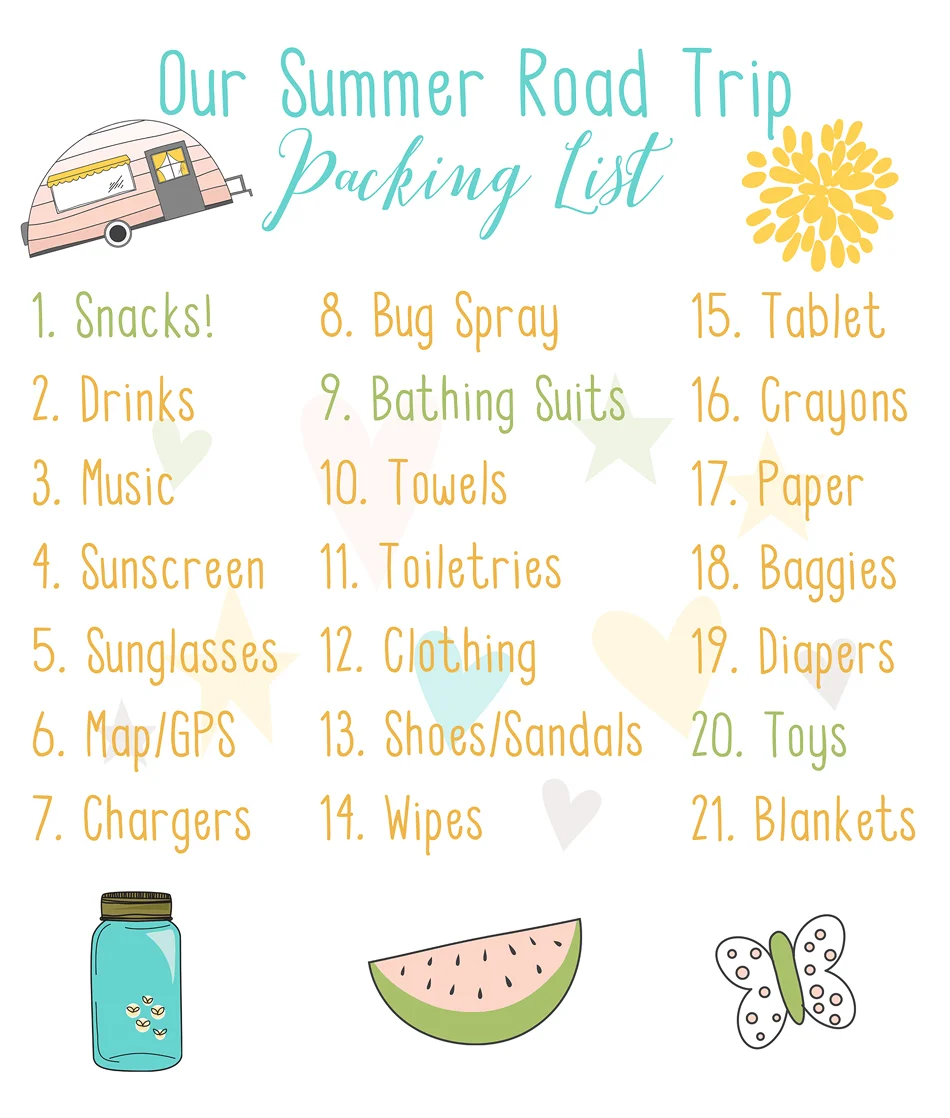
Choose the format that suits your family’s habits and preferences. Sometimes a combination of both works best, using digital for planning and paper for final packing.
Assigning Packing Responsibilities to Family Members
Involving kids in the packing process teaches responsibility and prevents last-minute surprises. Assign age-appropriate tasks, such as packing entertainment items or selecting clothes. Adults can manage the more critical supplies and oversee the overall checklist.
This shared approach fosters teamwork and reduces the burden on parents.
Updating Your Checklist for Future Trips
After each trip, review your checklist for missing or unnecessary items. Adjust it based on what worked well and what didn’t. Over time, this iterative process fine-tunes your packing strategy, making future trips smoother and more efficient.
Keeping a digital master list allows easy updates and version control.
Bonus: Common Mistakes to Avoid When Packing for Road Trips with Kids
One frequent error is overpacking, which leads to cramped car space and difficulty finding items. Resist the urge to bring every possible item.
Another is neglecting to pack for unexpected events, such as sudden weather changes or extra snacks for delays. Avoid forgetting important documents and emergency supplies by consulting your checklist thoroughly.
Lastly, failing to communicate responsibilities within the family can cause confusion and last-minute stress. Planning and clear roles alleviate this issue.


