
Understanding the Importance of a Clutter-Free Kitchen Counter
Impact on Cooking Efficiency and Safety
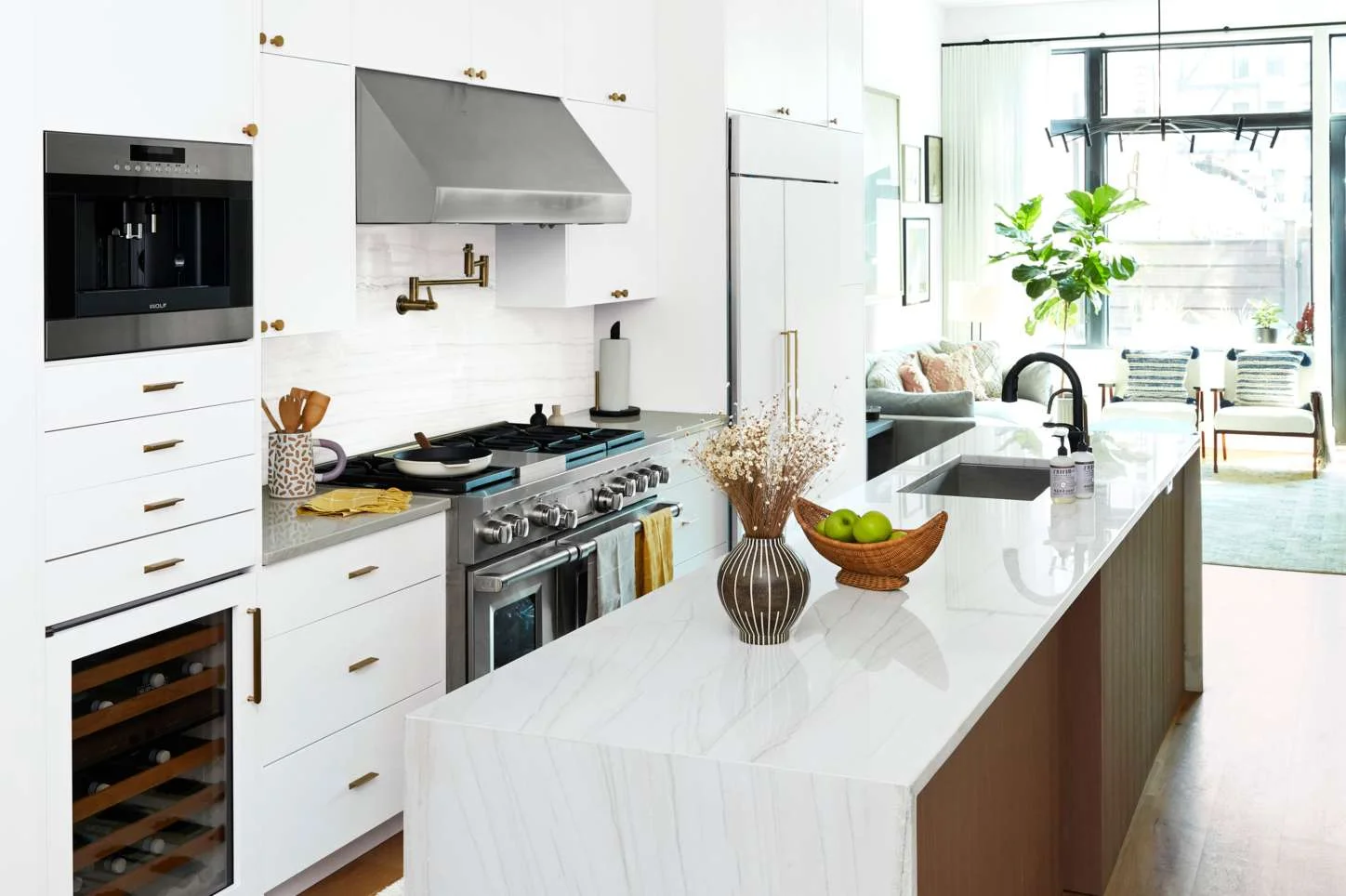
A cluttered kitchen counter can significantly hinder your cooking process. When space is crowded with unnecessary items, it becomes difficult to prepare meals quickly and safely. Limited workspace can cause spills, accidents, or even burns. A clean and organized countertop ensures you have ample room to chop, mix, and plate food with ease, reducing frustration and the risk of injury.
Psychological Benefits of an Organized Space
Beyond the physical advantages, a tidy kitchen counter can improve your mental well-being. An organized environment lowers stress levels and promotes a sense of calm. It invites creativity and makes cooking feel more enjoyable rather than a chore. Knowing where everything is at a glance also saves time and mental energy.
Assessing Your Current Kitchen Counter Situation
Identifying Clutter Hotspots
Start by observing your kitchen counter throughout the day to spot areas where clutter most frequently accumulates. Some spots, like near the stove or sink, tend to gather cooking tools, mail, or even random household items. Recognizing these hotspots will help you focus efforts where they matter most.
Evaluating Everyday Items vs. Non-Essentials
Take stock of what typically occupies your countertop. Differentiate between items you use daily, such as a coffee maker or knife block, and those that are seldom needed. Non-essentials can often be stored elsewhere to preserve prime counter space for more functional use.
Practical Decluttering Strategies
Sorting and Categorizing Kitchen Items
Begin by removing everything from the counter. Group items based on their function or frequency of use. This process clarifies what should remain within arm’s reach and what can be relocated. Categorizing prevents random placement and encourages purpose-driven storage solutions.
Utilizing Storage Solutions to Maximize Space
Effective storage is key to maintaining a clear countertop. Use wall-mounted shelves, magnetic knife strips, or under-cabinet hooks to free up surface space. Drawer organizers and pantry bins help keep related items together and accessible, minimizing countertop clutter.
Minimizing Appliances and Tools on the Counter
Consider which appliances you actually use daily. Heavy or infrequently used gadgets should be stored in cabinets or pantry spaces. Leaving only essential tools on the counter transforms your workspace into a streamlined area dedicated to cooking tasks.
Maintaining a Functional and Tidy Counter Long-Term
Daily Habits to Prevent Re-Cluttering
Small routines go a long way. Wipe down the counters after each use and put items back in their designated spots immediately. Avoid leaving mail, keys, or other personal belongings on the kitchen counters. Consistency in these habits keeps clutter from building up over time.
Periodic Reviews and Adjustments
Set aside time monthly or seasonally to reassess your counter setup. As your cooking habits or household needs change, your organization system should adapt accordingly. This regular review helps identify if new items need to be stored differently or if priorities shift.
Creative Ideas to Enhance Countertop Usability
Incorporating Decorative Yet Functional Elements
To add personality without sacrificing space, choose decorative containers for utensils or a stylish fruit bowl. Using visually appealing storage not only keeps items organized but also enhances the kitchen’s aesthetic. Plants in small pots can brighten the area while serving as natural air purifiers.
Smart Organization Hacks for Small Kitchens
In tight spaces, vertical storage is invaluable. Stackable containers, tiered shelves, and pegboards optimize every inch of your kitchen. Clear containers allow you to identify contents quickly, reducing the need to rummage through cluttered drawers or cabinets.


