
Understanding the Basics of Serving Sizes
What Are Serving Sizes?
Serving sizes are standardized amounts of food or drink listed on nutrition labels. They represent a typical portion people might consume in one sitting. These sizes help consumers understand the amount of calories, nutrients, and other components they are likely to ingest per portion.
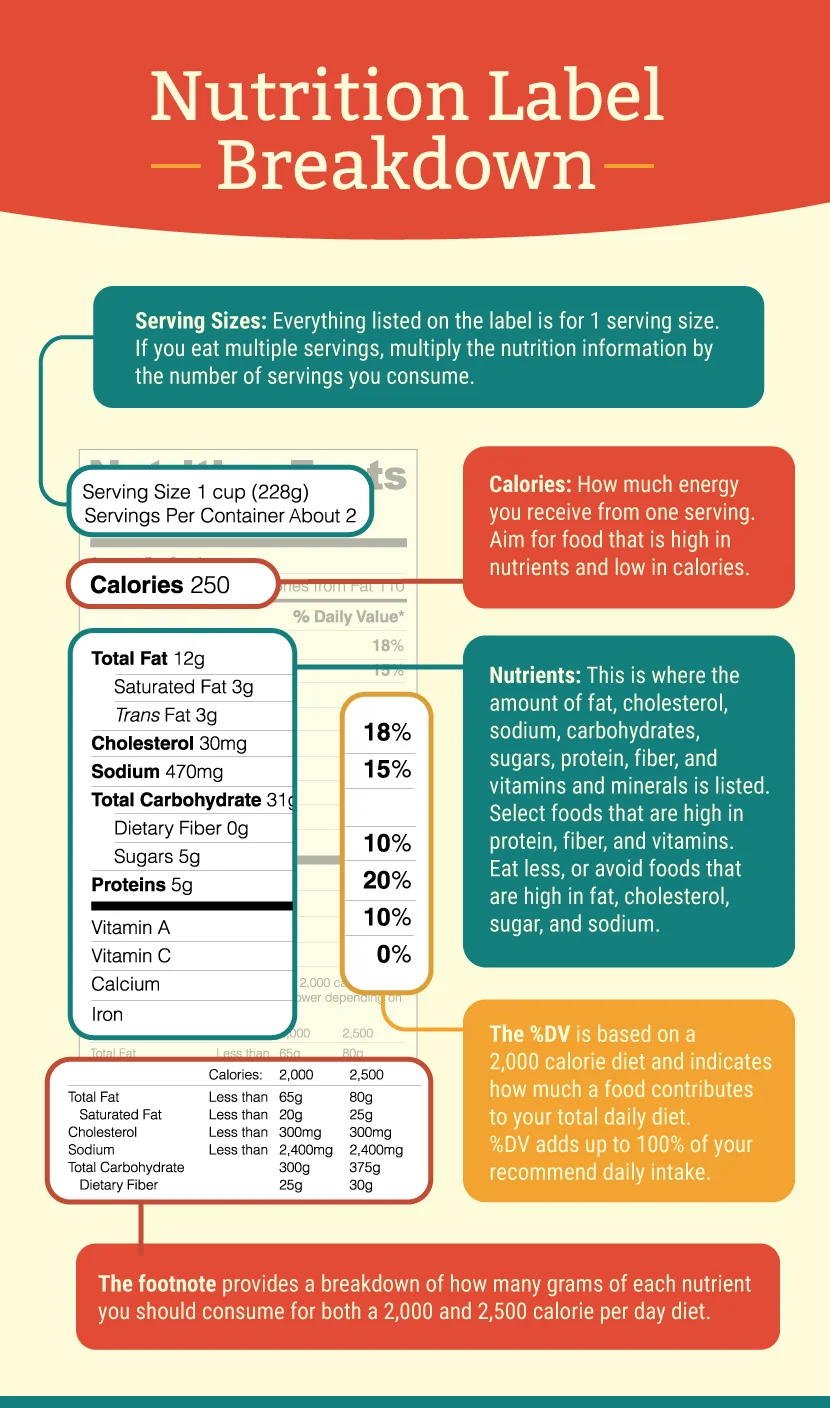
Serving sizes are often given in familiar units such as cups, pieces, or grams, allowing you to visualize how much of the product the nutrition facts apply to. It’s important to remember these sizes are a reference, not necessarily what you will eat.
Why Serving Sizes Matter for Calorie Counting
Accurate calorie counting hinges on understanding serving sizes because the calorie information on nutrition labels only reflects that specific quantity. If you consume more or less than the listed serving, the calories you actually consume will differ.
Ignoring serving sizes can easily lead to underestimating or overestimating calorie intake. This can sabotage weight management efforts and mislead you about the nutritional quality of your diet. Knowing serving sizes helps maintain an accurate calorie balance and supports healthier eating habits.
Breaking Down Nutrition Labels
Common Terms and Units Explained
Nutrition labels often include terms like “serving size,” “servings per container,” and various nutrient measurements. Serving sizes are typically shown in both household units (e.g., cups, tablespoons) and metric units (e.g., grams, milliliters).
Calories are listed per serving, as are macronutrients like fats, carbohydrates, and proteins. Understanding these terms ensures you interpret the data correctly and compare products accurately.
Identifying the Serving Size Section
The serving size information is usually displayed prominently at the top of the nutrition label. It specifies how much food constitutes one serving, often accompanied by the number of servings in the entire package. This helps you scale the nutritional values up or down depending on how much you consume.
Sometimes labels can be confusing because serving sizes differ between brands or product types, so always check this section carefully before making calorie calculations.
How Serving Sizes Influence Calorie Counts
The calorie count listed on labels applies strictly to the stated serving size. For example, if a serving size is 1 cup with 200 calories, eating 2 cups means you consume 400 calories. Misreading or ignoring this can cause errors in tracking calories.
Additionally, some serving sizes are unrealistically small to make calorie counts look lower, so scrutinizing serving sizes helps you get a realistic understanding of the food’s energy content.
Tips for Accurately Interpreting Serving Sizes
Using Measuring Tools to Verify Serving Sizes
Using measuring cups, spoons, or a kitchen scale can help you match your actual consumption to the serving size on the label. This removes guesswork and improves the accuracy of calorie counting.
Measuring foods like cereals, snacks, or liquids rather than eyeballing portions ensures you don’t unintentionally consume more calories than intended.
Adjusting Calories When Consuming More or Less
If your portion size differs from the serving size, you need to adjust the calorie count proportionally. Multiply or divide the calories listed by the ratio of your actual portion size to the serving size.
For instance, if you eat half a serving, consume half the calories listed. This simple math is essential for precise calorie tracking, especially if you regularly eat larger or smaller portions.
Practical Examples and Case Studies
Decoding Serving Sizes on Popular Packaged Foods
Consider a bag of chips with a serving size of 28 grams and 150 calories per serving. If you eat the entire 56-gram bag, you have consumed 300 calories, not 150. Many people overlook this and log only one serving’s calories, leading to underreported intake.
Similarly, a frozen meal might list a serving size as half the package. Knowing this helps you avoid assuming the entire meal contains 400 calories when it actually contains 800.
Real-Life Scenarios: Avoiding Common Mistakes
Common mistakes include assuming the serving size equals the entire package or neglecting to convert portions when eating out of bulk containers. For example, pouring cereal directly into a bowl without measuring can lead to consuming double or triple the labeled serving.
Another pitfall is ignoring serving sizes on beverages; a soda bottle might contain two servings, doubling the calorie intake if you drink the whole bottle.
Advanced Techniques for Precise Calorie Tracking
Using Apps to Calculate Based on Serving Sizes
Nutrition tracking apps allow you to enter portion sizes directly and adjust calorie counts automatically. These apps often have barcode scanners that read nutrition labels and provide serving size details, improving accuracy and convenience.
Tracking meals this way helps avoid manual errors and gives a clearer picture of your daily intake.
Customizing Serving Sizes for Meal Prep
When preparing meals ahead, portioning ingredients according to serving sizes on nutrition labels can simplify calorie counting throughout the week. Weighing and dividing foods into individual containers ensures consistency and prevents unintended overeating.
This approach makes calorie management more straightforward and supports consistent nutrition goals.
Conclusion
Decoding serving sizes on nutrition labels is crucial for precise calorie counting. Understanding what serving sizes represent and how to adjust calorie values accordingly helps avoid common pitfalls and supports better dietary choices.
Use measuring tools, carefully read labels, and leverage technology to enhance accuracy. By mastering serving size interpretation, you gain control over your calorie intake and contribute to more effective weight and health management.


