
Understanding the Challenges of Eating Well on the Road
Common Obstacles for Business Travelers
Maintaining a balanced meal plan while traveling weekly for work is often easier said than done. Business travelers face unique challenges like unpredictable schedules, limited access to healthy food options, and the temptation of convenient but unhealthy meals. Time constraints can make it difficult to find nutritious meals, leading many to rely on fast food or vending machine snacks that lack essential nutrients. Additionally, long hours and travel fatigue often reduce the motivation to prepare or seek out wholesome foods.
Impact of Unhealthy Eating on Productivity and Health
When travelers end up consuming excessive processed foods, high sugar, and unhealthy fats, the consequences extend beyond just weight gain. Poor nutrition affects cognitive function, energy levels, and overall well-being. This can result in decreased productivity during important meetings or presentations. Over time, consistent unhealthy choices while traveling increase the risk of chronic health conditions such as hypertension, diabetes, and digestive issues, which can not only impact work performance but also quality of life.
Pre-Trip Preparation: Setting Yourself Up for Success
Planning Your Meals Ahead of Time
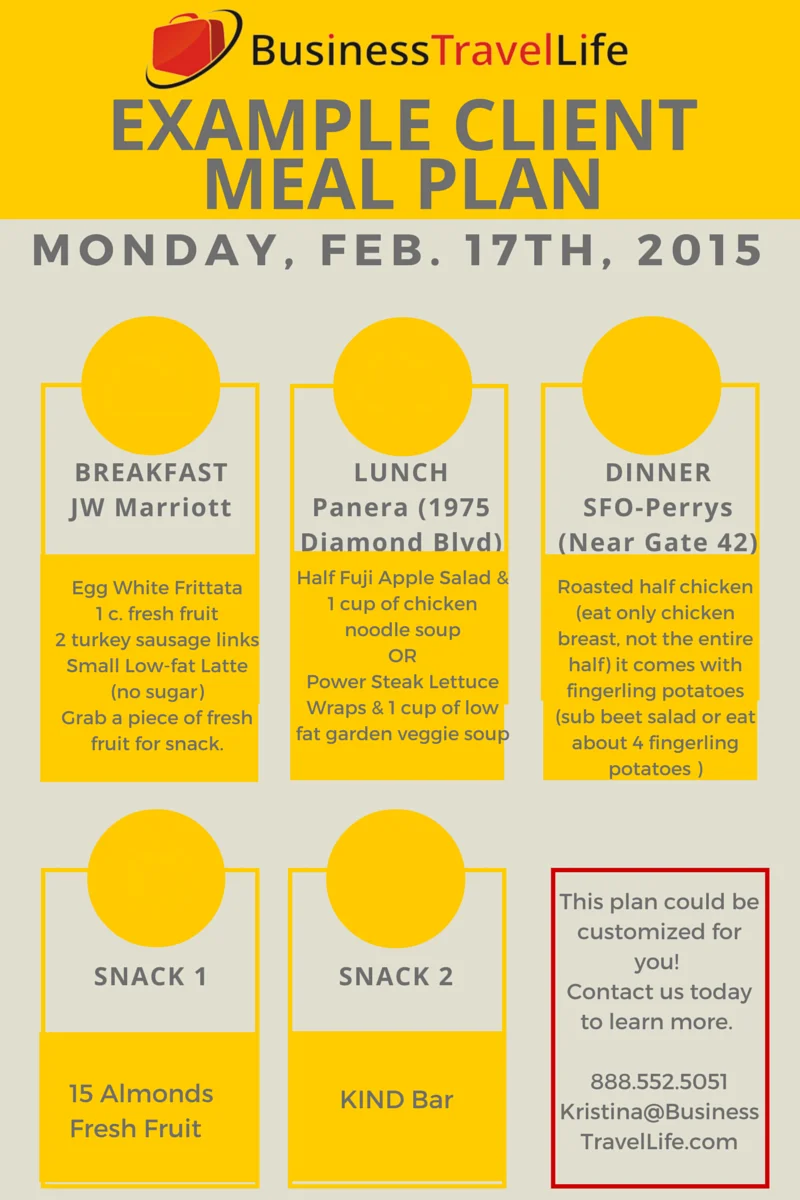
The key to maintaining a balanced meal plan starts before you even leave home. One of the biggest reasons travelers fail to eat well is a lack of planning. By dedicating time to map out meals and snacks, you reduce reliance on last-minute decisions that often favor unhealthy options. Consider preparing a flexible meal schedule factoring in your meeting times, hotel amenities, and available dining facilities.
Smart Grocery Shopping and Packing Tips
Packing nutritious snacks can prevent hunger-driven poor choices during travel. Options such as mixed nuts, fresh fruits, protein bars, or whole grain crackers are easy to carry and help keep your energy steady. When possible, shop for ingredients that can be stored or refrigerated in your hotel room, like yogurt or pre-cut vegetables. Buying portable, nutrient-dense foods before departure saves both money and stress on the road.
Choosing Nutritious Options When Eating Out
How to Navigate Restaurant Menus Wisely
Eating out is unavoidable during business trips, but selecting balanced meals requires a strategic approach. Many menus now list calorie counts and ingredient details, which can guide healthier choices. Opt for dishes rich in vegetables, lean proteins, and whole grains while avoiding heavily fried or creamy options. Don’t be afraid to customize orders—request dressings or sauces on the side, substitute fries with salad, or ask for steamed vegetables instead of mashed potatoes. Being assertive about your preferences helps maintain nutritional balance.
Healthy Fast Food Alternatives for Busy Days
When time is tight, and fast food is the only option, the challenge is to identify healthier alternatives. Several chains offer salads with grilled proteins, wraps with whole grain tortillas, or fruit cups alongside your meal. Avoid sugary beverages by choosing water or unsweetened tea. Being informed about menu items beforehand can make fast food a manageable part of a balanced diet rather than a nutritional pitfall.
Maintaining Consistency with Portion Control and Hydration
Recognizing Proper Portion Sizes
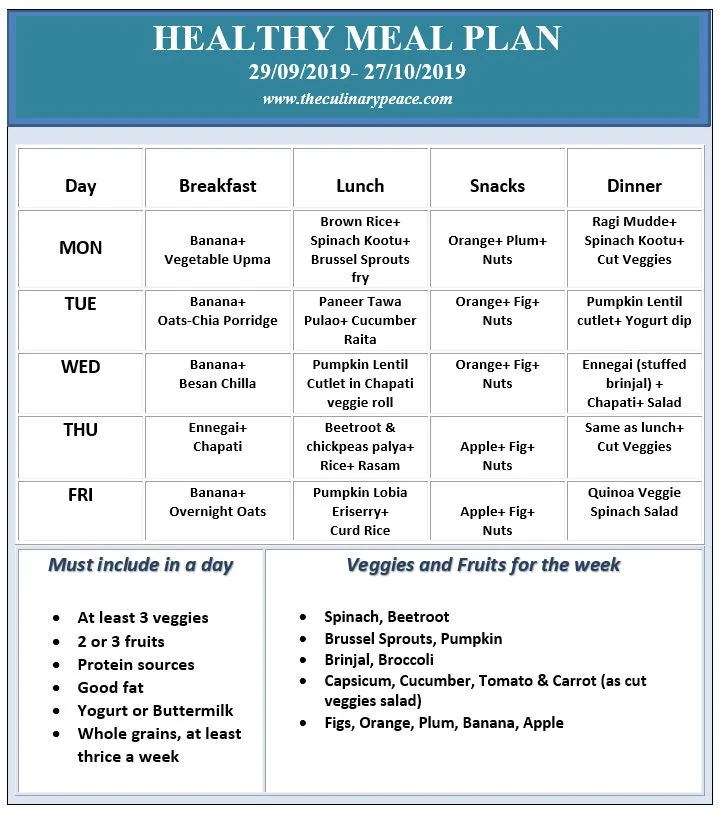
Even when eating healthy foods, portion control is essential. Oversized portions commonly served at restaurants or buffets can inadvertently lead to excess calorie intake. Understanding standard portion sizes helps prevent this issue. For example, a protein portion should resemble the size of your palm, and carbohydrates should fit into a cupped hand. Being mindful of portions supports sustained energy without overeating.
Importance of Staying Hydrated While Traveling
Dehydration often goes unnoticed but can severely impact concentration, mood, and digestion. Traveling may disrupt normal hydration routines, so consciously increasing water intake is vital. Carrying a refillable water bottle and setting reminders to drink fluids can easily address this challenge. Hydration also aids digestion and prevents mistaking thirst for hunger, which can otherwise lead to unnecessary snacking.
Incorporating Physical Activity to Complement Your Meal Plan
Quick Workouts and Stretching Routines
Maintaining a balanced diet while traveling becomes more effective when paired with regular physical activity. Time limitations may discourage exercise, but even brief bodyweight workouts or stretching sessions can boost metabolism and reduce travel-related stiffness. Incorporating short routines that require no equipment helps maintain fitness without interfering with work commitments.
Using Hotel Amenities Effectively
Many hotels provide fitness centers or swimming pools that can be valuable resources for travelers. Utilizing these facilities is a practical way to stay active and counterbalance the sedentary nature of travel days. Scheduling workouts during low-activity periods, such as early mornings or evenings, ensures consistency without compromising work schedules.
Adapting Your Meal Plan to Different Cultures and Cuisines
Exploring Local Ingredients That Support Balanced Nutrition
Travel often exposes individuals to diverse culinary traditions, which can either complicate or enhance a balanced meal plan. Instead of avoiding unfamiliar foods, try to explore local ingredients that complement your nutritional goals. Many cultures emphasize fresh vegetables, legumes, and lean proteins that can fit well into a healthy diet. Embracing cultural foods with awareness fosters enjoyment without sacrificing balance.
Tips for Balancing Indulgence and Health
While it’s important to maintain nutrition, occasional indulgence is inevitable and can improve satisfaction during travel. The problem arises when indulgence becomes the norm. To manage this, try to balance richer meals with lighter options and increase physical activity afterward. Prioritizing portion size and frequency of indulgent foods helps avoid disrupting your overall meal plan.
Utilizing Technology and Tools for Tracking Nutrition
Best Apps for Meal Planning on the Go
Technology offers effective solutions for travelers striving to eat balanced meals. Several apps enable users to plan meals, log food intake, and receive personalized nutritional feedback. These tools deliver convenience, especially when access to kitchen facilities is limited. Using apps also provides accountability, encouraging mindful eating despite a hectic travel calendar.
Using Wearables to Monitor Health Indicators
Wearable devices that track activity levels, heart rate, and sleep patterns offer valuable insight into how diet and travel affect your health. Monitoring these indicators allows travelers to adjust their meal plans or routines promptly. For example, noticing low energy levels may prompt a shift toward more nutrient-dense foods or extra hydration. Integrating technology supports a holistic approach to maintaining wellness on the road.
Conclusion: Staying Committed to a Balanced Diet Amidst Travel Demands
Weekly work travel presents real obstacles to eating well, but these challenges are surmountable with intentional planning and mindful choices. Understanding the impact of poor nutrition, preparing meals ahead, making careful selections when dining out, and staying hydrated all contribute to maintaining balance. Supplementing these habits with physical activity and technological support strengthens overall health and productivity. Ultimately, staying committed to a balanced meal plan on the road enhances both professional performance and personal well-being.


