
Introduction to Vertical Storage and Minimalism
Understanding Vertical Storage
Imagine living in a cozy apartment where every inch counts. Vertical storage means using wall space, high shelves, and tall furniture to store belongings upward instead of spreading out horizontally. It’s about thinking up instead of out. This approach transforms cramped corners into functional areas and turns empty walls into valuable storage assets, particularly essential in small apartments where floor space is at a premium.
Benefits of Maximizing Vertical Space in Small Apartments
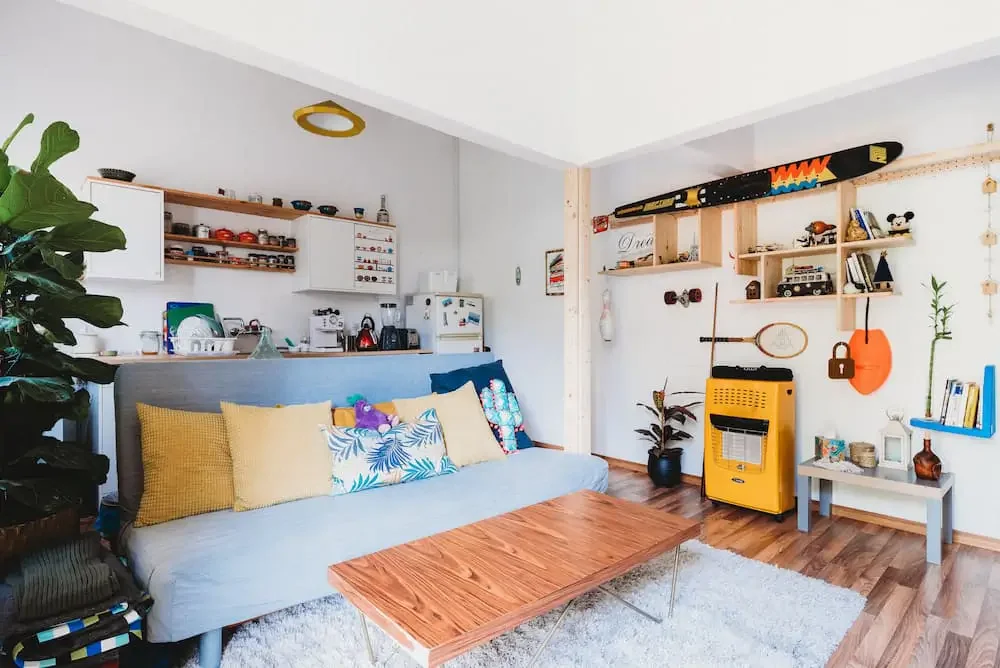
Picture Sarah, a graphic designer living in a studio under 400 square feet. By installing vertical shelves, hooks, and tall cabinets, she cleared floor space for a small desk and a comfy chair. Maximizing vertical storage makes rooms feel less cluttered and more open. It frees up precious floor area, creating a sense of spaciousness and order. Additionally, it helps keep frequently used items within easy reach, improving daily efficiency.
Minimalism and Its Impact on Storage Needs
Minimalism isn’t just about owning fewer things; it’s about intentional living. When you adopt a minimalist lifestyle, your storage needs shift. Instead of cramming items into every nook, you focus on keeping only what adds value. This philosophy complements vertical storage perfectly, as it encourages thoughtful organization and reduces the temptation to hoard unnecessary possessions. For example, Tom downsized from a bulky entertainment center to a sleek wall-mounted unit that stored all his essentials, reflecting his minimalist values.
Assessing Your Space and Storage Needs
Measuring and Mapping Vertical Potential
Before rushing to buy storage solutions, it’s crucial to understand the vertical dimensions of your space. Start by measuring the height of your walls, the distance between ceiling and furniture tops, and noting any architectural features like windows or radiators. Mapping out what wall space is available helps in selecting items that fit perfectly without overwhelming the room. For instance, Maria measured her kitchen walls and realized she could install three tiers of shelves above her countertop, which became a game changer for storing spices and cookware.
Identifying Essential Items to Store
Not all possessions deserve a place in your vertical storage setup. Make a conscious list of items that you use regularly or truly treasure. This step prevents overcrowding and helps prioritize functional storage. Lily, a busy nurse, realized she needed easy access to work uniforms and medical supplies, so she dedicated a specific vertical unit in her closet just for these essentials, keeping other less-used items in a smaller under-bed box.
Creative Vertical Storage Solutions for Small Apartments
Wall-Mounted Shelving Systems
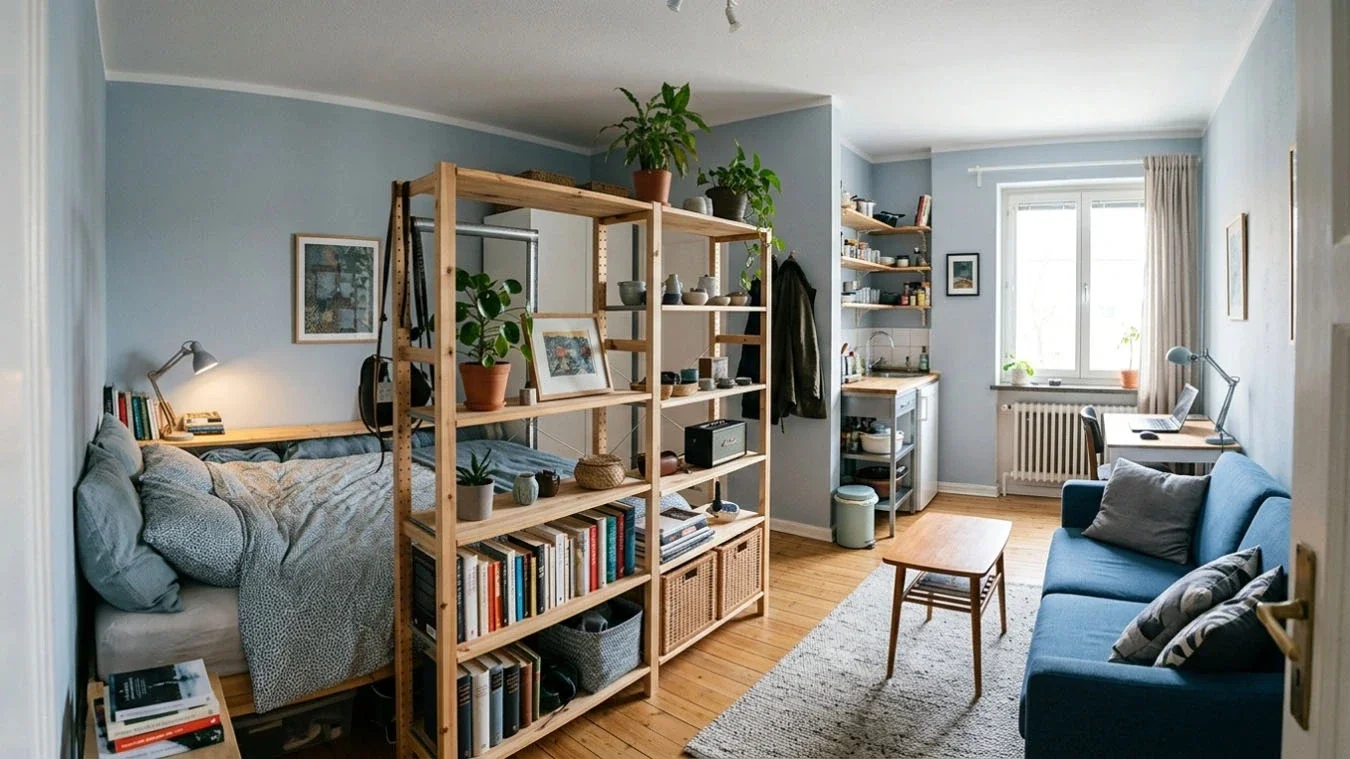
Wall-mounted shelves are versatile and customizable. You can arrange floating shelves in staggered heights to accommodate books, plants, or decorative items. Ethan built a shelving ladder leaning against his living room wall, which not only held his collection of novels but doubled as a display for his minimalist art pieces. This type of shelving can create visual interest while expanding storage capacity.
Over-the-Door Organizers and Hooks
The back of doors often goes unused in apartment settings. Hooks and organizers here can hold everything from shoes to kitchen utensils. Lisa uses an over-the-door rack in her bathroom to hang towels and small baskets, turning a dead space into a practical hub. These options are especially helpful in rental apartments where drilling into walls might be limited, as many hooks and organizers use adhesive or tension rods.
Using Tall Furniture to Utilize Height
Tall furniture pieces, like armoires, bookcases, or modular storage towers, capitalize on verticality by providing multiple layers of storage without expanding the footprint. Jason purchased a narrow, floor-to-ceiling cabinet in his living room that stored electronics, games, and DVDs neatly. The key is to choose slim designs that don’t overwhelm narrow spaces while providing substantial storage volume.
Minimalist Design Principles for Vertical Storage
Choosing Functional and Aesthetic Storage Pieces
Storage doesn’t have to be purely practical; it can complement your apartment’s style. Opting for sleek, simple lines and neutral colors helps storage units blend into the background rather than create visual clutter. Consider materials that add warmth like natural wood or industrial metal finishes depending on your interior vibe. Grace picked white floating shelves that matched her walls, making the room feel cleaner and more spacious.
Decluttering to Enhance Vertical Storage Efficiency
The effectiveness of vertical storage depends heavily on what you place on these surfaces. Regular decluttering ensures that shelves do not become dumping grounds. Imagine Alex’s experience: initial enthusiasm with new wall shelves gave way to chaos when he piled everything randomly. After sorting through his belongings and donating unused items, his vertical storage became a neat system where each item had a purpose and place.
DIY and Budget-Friendly Vertical Storage Ideas
Repurposing Household Items
Creativity often solves storage issues on a budget. Old ladders can be painted and leaned against a wall as bookshelves or towel racks. Wooden crates stacked vertically with brackets create modular shelving units. Julie reused her wine boxes by mounting them on walls to store craft supplies, adding a rustic, personal touch to her minimalist apartment. These DIY projects not only save money but add character and personalized style.
Simple and Stylish Hanging Storage Options
Hanging baskets or fabric pouches can create soft storage without heavy furniture. Kitchen utensils, scarves, or even plants can be elegantly displayed this way. Marcus hung a series of small wire baskets on his kitchen wall for storing fresh herbs and fruit, making his space both functional and vibrant. Hanging solutions often require minimal installation and can be rearranged easily to suit changing needs.
Maintenance Tips to Sustain Vertical Storage
Regular Decluttering and Reorganizing
Vertical storage isn’t a one-time fix; it requires ongoing effort. Setting a monthly or quarterly routine to evaluate stored items helps prevent accumulation. Think of it like watering a plant—regular care keeps the system alive and efficient. When Emma noticed some shelves in her bedroom becoming overcrowded, she reorganized to maintain an airy feel and kept only the most needed items accessible.
Adapting Storage Systems as Needs Change
Life changes, and so do storage requirements. A setup that worked during one season may not be practical months later. Being flexible with your storage—using modular pieces or adjustable shelves—allows you to customize as your belongings and lifestyle evolve. For example, after having a child, Daniel added extra wall-mounted bins for toys and baby supplies, easily integrating them into the existing storage framework.
Conclusion
Maximizing vertical storage in small apartments perfectly complements a minimalist lifestyle by turning limited space into an organized, serene environment. Through careful assessment, creative solutions, and ongoing maintenance, even the smallest living areas can become functional and beautiful. Whether by installing chic floating shelves or repurposing old items, the key lies in intentional choices and adaptability, which ultimately make small apartment living both practical and peaceful.


