
Introduction to Affordable High-Protein Meal Prepping
Many beginners face the challenge of eating nutritious dinners without overspending or spending excessive time in the kitchen. Meal prepping affordable high-protein dinners offers a practical solution, combining health benefits with budget-conscious cooking. By preparing meals in advance, you reduce daily decision fatigue and avoid last-minute unhealthy choices, all while ensuring your body gets adequate protein essential for muscle repair and satiety.
However, for those new to meal prepping and on a tight budget, the process can seem daunting. Understanding where to start and how to keep costs low is key to turning this habit into a sustainable lifestyle. This guide aims to simplify affordable, nutritious meal prepping to help beginners confidently nourish themselves without breaking the bank.
Why Choose High-Protein Dinners?
Benefits for Beginners and Budget-Conscious Cooks
High-protein dinners help promote fullness, reducing unnecessary snacking that can derail budgets and health goals. For beginners, protein-rich meals are straightforward to prepare and often require fewer ingredients, saving both time and money. Moreover, protein supports weight management and muscle maintenance, critical benefits especially for those adopting a new fitness or wellness routine.
Choosing high-protein meals doesn’t mean sacrificing variety or flavor. Inexpensive protein sources can be versatile, allowing beginners to experiment without the need for expensive specialty items. For budget-conscious cooks, prioritizing protein stabilizes hunger levels, helping control overall food spending.
Key Nutritional Components to Focus On
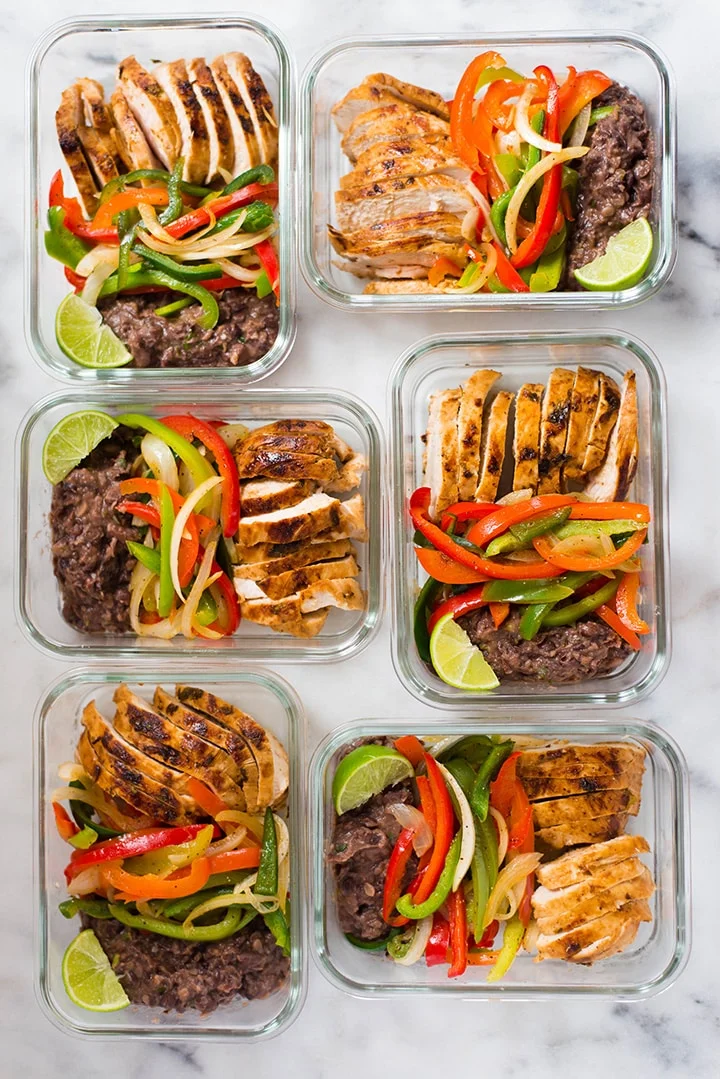
Besides protein, effective meal prepping considers balanced nutrition, including healthy carbohydrates and fats, plus plenty of fiber from vegetables. The focus on high-protein dinners means selecting ingredients like beans, lentils, eggs, and affordable cuts of meat or poultry. These components not only fulfill protein requirements but also contribute to essential vitamins and minerals, strengthening overall health.
Equally important is managing portion sizes and combining macronutrients wisely to sustain energy and prevent cravings. A dinner balanced with moderate carbs, healthy fats, and lean protein delivers the best outcome for budget-friendly, satisfying meals.
Planning Your Weekly Meals
Setting Realistic Budget Goals
A common obstacle in meal prepping is underestimating grocery expenses. Beginners often start with overly ambitious plans leading to wasted food or unmanageable costs. Setting a clear, realistic budget before shopping helps prioritize purchases and avoid impulse buys.
Start by calculating how much you can spend on dinners for the week and then break it down into daily meal costs. This strategy forces more deliberate choices and encourages the selection of cost-effective ingredients without compromising protein intake.
Creating a Balanced Meal Prep Menu
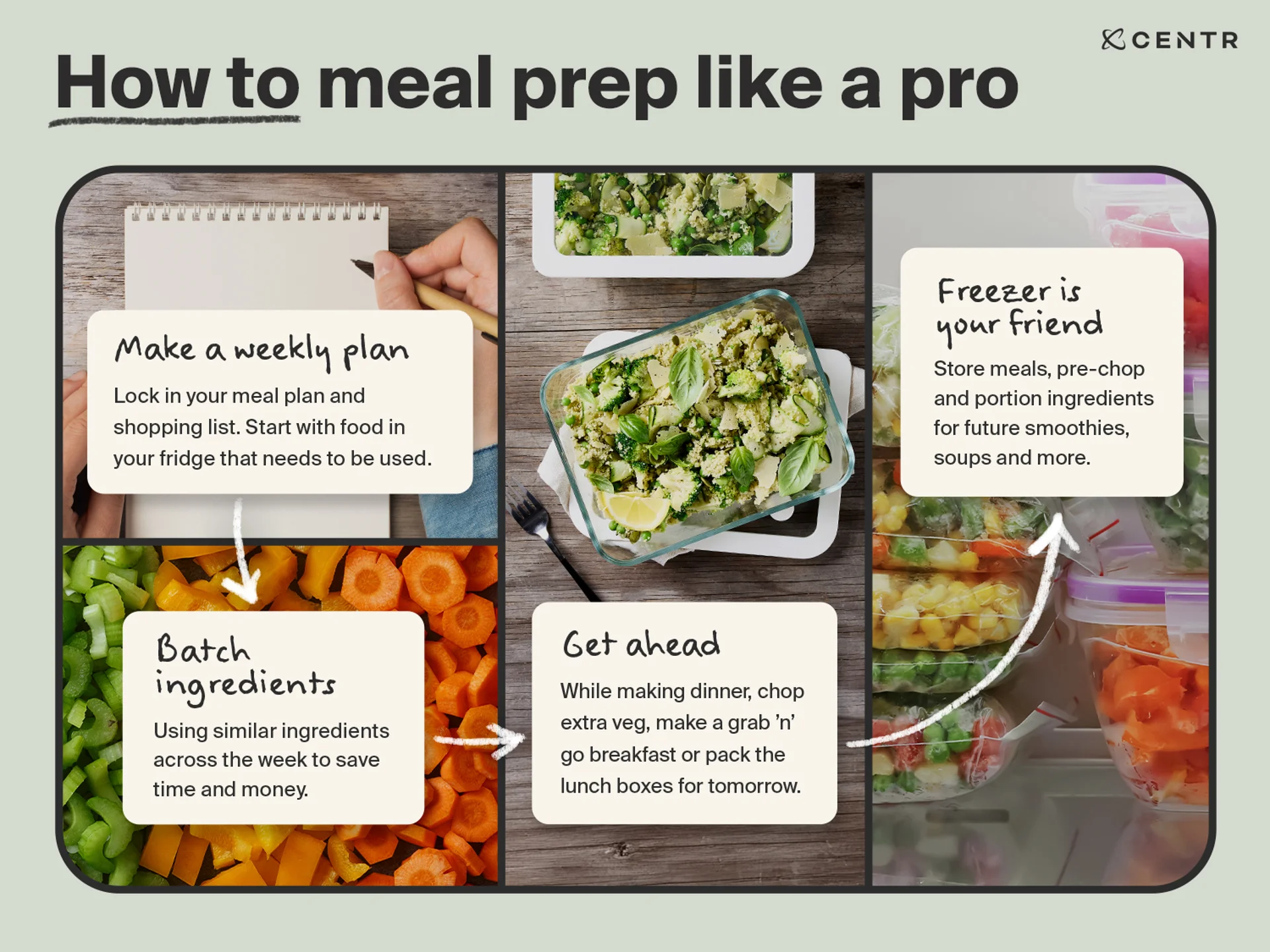
Once you have a budget, deciding on a meal prep menu is crucial. This step involves mapping out simple recipes that can be batch-cooked. A balanced menu prevents monotony and ensures nutritional variety. Aim for protein sources you can easily cook in bulk, paired with vegetables and grains that offer both nutrients and texture.
Planning helps minimize food spoilage and streamlines grocery shopping, reducing trips that often lead to overspending. Start with a handful of meals for the week and slowly expand your repertoire as you gain confidence.
Smart Grocery Shopping Strategies
Best Affordable Protein Sources
The perception that all high-protein foods are costly can discourage meal prepping on a budget. However, affordable protein options such as beans, chickpeas, eggs, canned tuna, and certain cuts of chicken or pork provide excellent value. These items often have a long shelf life or freeze well, making them ideal for meal prepping.
Understanding protein content per dollar is vital. For instance, dried lentils are cheaper and more nutritious per serving compared to some packaged snacks. Incorporating plant-based proteins alongside animal sources diversifies meals while keeping costs manageable.
Utilizing Sales, Coupons, and Bulk Buys
Failing to leverage discounts is a common pitfall that inflates grocery bills. Beginners often overlook sales and coupons, which can significantly reduce costs for protein staples. Shopping in bulk for items like rice, beans, and frozen meats can lower per-meal expenses when properly stored.
Planning your shopping around weekly deals requires some flexibility but pays off through minimized costs and expanded meal options. Combining this with meal prep supports a sustainable routine aligned with financial limits.
Step-by-Step Guide to Preparing Your Dinners
Essential Kitchen Tools for Beginners
Inadequate kitchen tools can make meal prep frustrating and inefficient. Beginners should invest in a few basics: a reliable cutting board, sharp knives, storage containers, and a slow cooker or instant pot if possible. These tools simplify cooking large batches and storing meals, reducing daily cooking time.
Having the right equipment boosts confidence and encourages consistency, which is fundamental for maintaining a budget-conscious meal prep schedule.
Simple Meal Prep Recipes to Start With
Complex recipes often intimidate beginners, leading to disappointment and abandoned efforts. Starting with straightforward dishes such as baked chicken with roasted vegetables, lentil stew, or stir-fried tofu with rice is wise. These meals cover protein needs and can be prepared in under an hour.
Batch cooking and portioning out meals into containers immediately after preparation maintain freshness and make dinner choices hassle-free during busy weekdays.
Storage Tips to Keep Meals Fresh and Safe
Improper storage not only wastes food but can cause safety risks. A common challenge for beginners is knowing how long prepped meals remain edible. Refrigerate meals promptly and consume them within 3-4 days. For longer storage, freezing is a reliable option but requires appropriate containers to prevent freezer burn.
Labeling containers with dates helps track freshness. Additionally, dividing meals into single-serving portions reduces the need to reheat entire batches repeatedly, preserving taste and food safety.
Adjusting Meals for Variety and Taste
Adding Spices and Flavor Boosters on a Budget
Bland meals can make sticking to meal prep difficult, especially for beginners. While some may assume spices are expensive, basics like garlic powder, chili flakes, and dried herbs are inexpensive and transform simple dishes. Using vinegar, mustard, or low-cost sauces also elevate flavors without adding significant cost.
Rotating spices and flavor profiles prevents boredom, sustaining commitment to budget-friendly meal prepping.
Incorporating Seasonal Vegetables and Sides
Seasonal produce tends to be cheaper and fresher than out-of-season alternatives. Including these vegetables not only enhances meal nutrition but also variety and appeal. Pairing proteins with different grains such as quinoa, barley, or whole wheat pasta introduces texture diversity and essential nutrients without straining the budget.
By adjusting sides and vegetables weekly, meal prepping stays enjoyable while maximizing budget effectiveness.
Conclusion: Staying Consistent with Meal Prepping on a Budget
Meal prepping affordable high-protein dinners may feel challenging initially, but with mindful planning and smart shopping strategies, it becomes a manageable and rewarding practice. Avoiding common mistakes such as overbuying or neglecting storage can save money and time. Embrace simple recipes, leverage affordable protein sources, and use basic spices to keep meals satisfying.
Consistency is key. Small, steady steps will build confidence and create a habit that supports both nutritional goals and financial limits. By mastering these strategies, beginners can enjoy nutritious, cost-effective dinners with minimal stress and maximum benefit.


