
Understanding the Importance of High Protein Snacks for Travel
Benefits of Protein During Long Commutes
Imagine sitting on a crowded train for two hours without feeling hungry or drained. High protein snacks can be the secret weapon to maintain energy and focus throughout long commutes or travel. Protein helps stabilize blood sugar levels, preventing sudden energy crashes that sugary snacks often cause. It also promotes satiety, keeping you full and less tempted by unhealthy options sold at stations or airports. For example, a commuter who snacks on almonds or a boiled egg arrives at work feeling alert rather than sluggish, ready to tackle the day.
Common Challenges Travelers Face with Snack Options
Travelers often struggle with finding snacks that are both nutritious and easy to transport. Many convenient options are carb-heavy or laden with preservatives and sugars that leave you more tired. Additionally, some protein-rich foods require refrigeration, which can be impractical when moving between locations. Another challenge is managing space; backpacks and carry-ons fill up fast, so bulky snacks aren’t ideal. These hurdles make it essential to choose snacks wisely, balancing convenience, health, and storage.
Essential Criteria for Choosing Portable High Protein Snacks
Durability and Shelf Life Considerations
When selecting high protein snacks for travel, durability is key. Snacks should withstand temperature fluctuations and remain safe to eat hours or even days later. For instance, jerky or roasted chickpeas can handle being tossed in a backpack without spoiling. Conversely, fresh cheese or yogurt might not last without refrigeration. Recognizing how long your snack can stay fresh lets you plan accordingly, ensuring you don’t end up with a soggy or spoiled bite when hunger strikes.
Nutritional Value and Portion Control
Not all protein snacks are created equal. It’s important to pick options rich in protein but moderate in calories and fats to avoid feeling sluggish. Portion control also matters; a handful of nuts can provide sustenance without overburdening your day’s calorie intake. Paying attention to protein content per serving helps maximize energy, while controlling portions prevents overeating. Travelers who balance nutrition with portion size enjoy steady energy without the post-snack slump or discomfort of eating too much on the go.
Top High Protein Snack Ideas to Pack
DIY Snack Recipes for Travel
Making your own snacks offers control over ingredients and portion sizes. For example, roasting chickpeas with a sprinkle of paprika and sea salt results in a crunchy, shelf-stable treat rich in protein and fiber. Homemade trail mix combining almonds, pumpkin seeds, and dried cranberries can be customized to your taste while packing a protein punch. Another simple idea is hard-boiled eggs, wrapped in parchment paper—portable and packed with essential nutrients. These DIY options not only save money but also avoid added sugars and preservatives.
Best Store-Bought Protein Snacks for Mobility

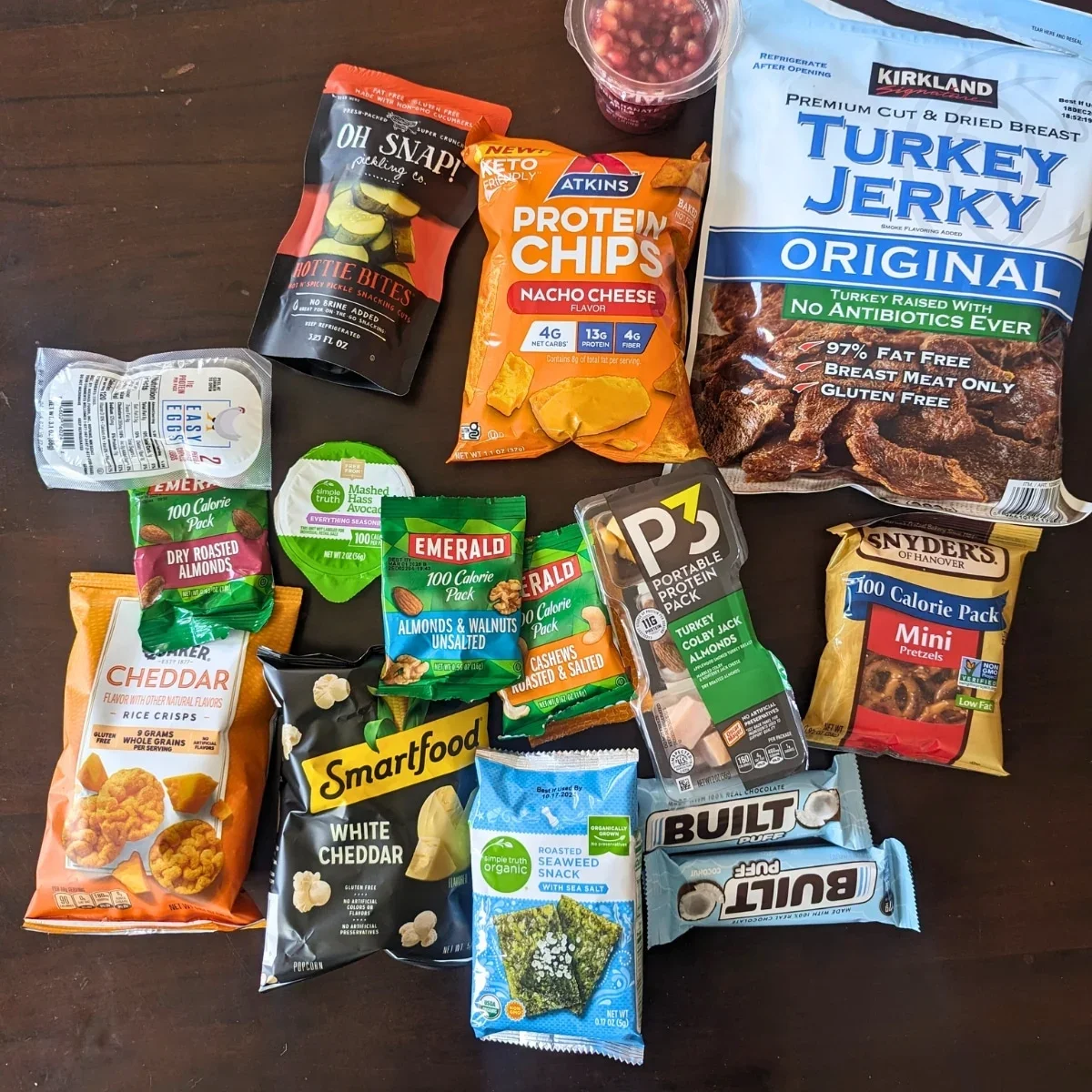
Sometimes grabbing pre-packaged snacks is more practical. Popular choices include beef or turkey jerky, which are lightweight and offer a high protein-to-calorie ratio. Protein bars designed specifically for on-the-go energy are convenient; just watch out for those overloaded with sugar. Single-serve nut butter packets also provide a handy protein boost that won’t spoil quickly. Many brands now cater to travelers with resealable, durable packaging that fits into small bags or pockets, making them ideal companions for busy commutes.
Packing Tips to Keep Snacks Fresh and Convenient
Choosing the Right Containers and Packaging
How you pack snacks can make a big difference in their freshness and ease of access. Small airtight containers prevent moisture and pests while keeping snacks crisp. Silicone snack bags or reusable pouches are lightweight and environmentally friendly, perfect for nuts or granola. For items needing insulation, a compact cooler bag with gel packs can preserve freshness without adding bulk. Travelers who prepare their snacks thoughtfully tend to avoid messes and wasted food, enhancing the overall travel experience.
Organizing Snacks for Easy Access During Commutes
When you’re juggling a laptop, tickets, and other essentials, fumbling for food is frustrating. Using a dedicated section of your bag or a small, zippered pouch for snacks helps keep things organized. Packing snacks in portioned sizes allows quick grab-and-go moments, such as pulling out a single packet of roasted almonds rather than a large bag. Some commuters even set reminders on their phones to eat at intervals, preventing excessive hunger and maintaining steady energy levels throughout their journey.
Managing Dietary Restrictions and Preferences on the Go
Vegan and Vegetarian High Protein Options
Travelers adhering to plant-based diets often find protein sources limited when on the road. However, options like roasted edamame, roasted lentils, and mixed nuts provide a punch of protein while remaining portable. Hummus paired with crunchy vegetables stored in a sealed container can also satisfy midday cravings. Protein bars made from pea or brown rice protein cater to vegans, delivering nutrition without animal products. Planning ahead ensures dietary ethics don’t compromise energy or convenience during travel.
Gluten-Free and Allergy-Friendly Snack Ideas
Travelers with gluten sensitivities or allergies must carefully select their snacks. Many traditional protein bars contain gluten or traces of common allergens. Instead, pumpkin seeds, trail mixes without wheat-based ingredients, and hard-boiled eggs offer safe, high-protein choices. Single-serve nut butter packets can substitute for bars, as long as other allergies are considered. When in doubt, reading labels and preparing snacks in advance reduces the risk of unwanted reactions while enabling nutritious travel snacking.
Sample Snack Plans for Different Lengths of Commutes
Short Trips: Quick Grab-and-Go Snacks
For morning subway rides or short bus trips lasting under an hour, convenience is king. A small handful of mixed nuts or a single protein bar can keep hunger at bay without weighing you down. These snacks are easy to eat discreetly and do not require preparation. For example, a commuter grabbing a protein bar before stepping onto the train can maintain focus until lunchtime without fuss or mess.
Extended Travel: Comprehensive Snack Preparation
When facing several hours on a plane or car ride, a more strategic snack approach is helpful. Combining a couple of high protein options, such as a small container of roasted chickpeas alongside hard-boiled eggs or a cheese stick, ensures sustained energy. Adding some fresh fruit or veggie sticks adds hydration and fiber. Packing snacks in separate containers and spacing out eating times keeps the traveler energized and comfortable throughout the journey, avoiding the fatigue that can come from relying solely on airport food courts or vending machines.
Conclusion
Packing portable high protein snacks for travel might seem like a small task, but it can transform your entire commuting or travel experience. By understanding the benefits of protein, carefully selecting durable and nutritious snacks, and organizing them thoughtfully, you ensure steady energy and avoid common pitfalls like spoilage or hunger-induced poor choices. Whether your commute is short or long, vegan or allergy-sensitive, planning your snacks ahead delivers practical solutions that keep you nourished and focused on the move.


