
Understanding the Basics of Budget-Friendly Healthy Meal Planning
Why Meal Prep Matters for Beginners
Starting a meal prep routine can feel overwhelming, but it offers significant benefits, especially for beginners. Preparing meals ahead of time reduces daily stress and minimizes impulsive eating decisions, which often lead to costly, unhealthy choices. By dedicating a few hours to meal prep, individuals can maintain consistent nutrition and avoid last-minute takeout expenses.
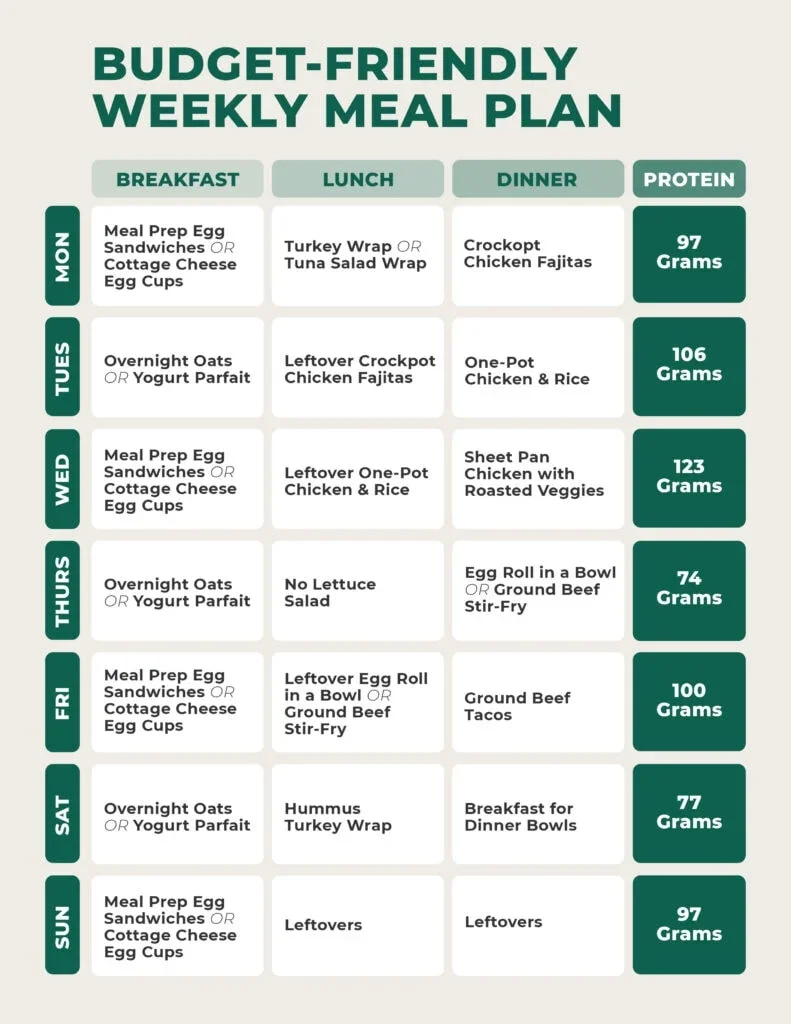
For those new to meal prepping, the key is developing simple habits that gradually improve food choices while keeping preparation practical and affordable.
Key Principles of Budget-Friendly Eating
Eating healthily on a budget is achievable when prioritizing certain principles. First, focusing on whole foods such as grains, beans, vegetables, and seasonal produce provides both nutrition and value. Secondly, planning meals around staple ingredients that stretch across multiple dishes helps reduce waste and cost. Finally, cooking at home rather than buying pre-packaged or processed foods preserves both health and budget.
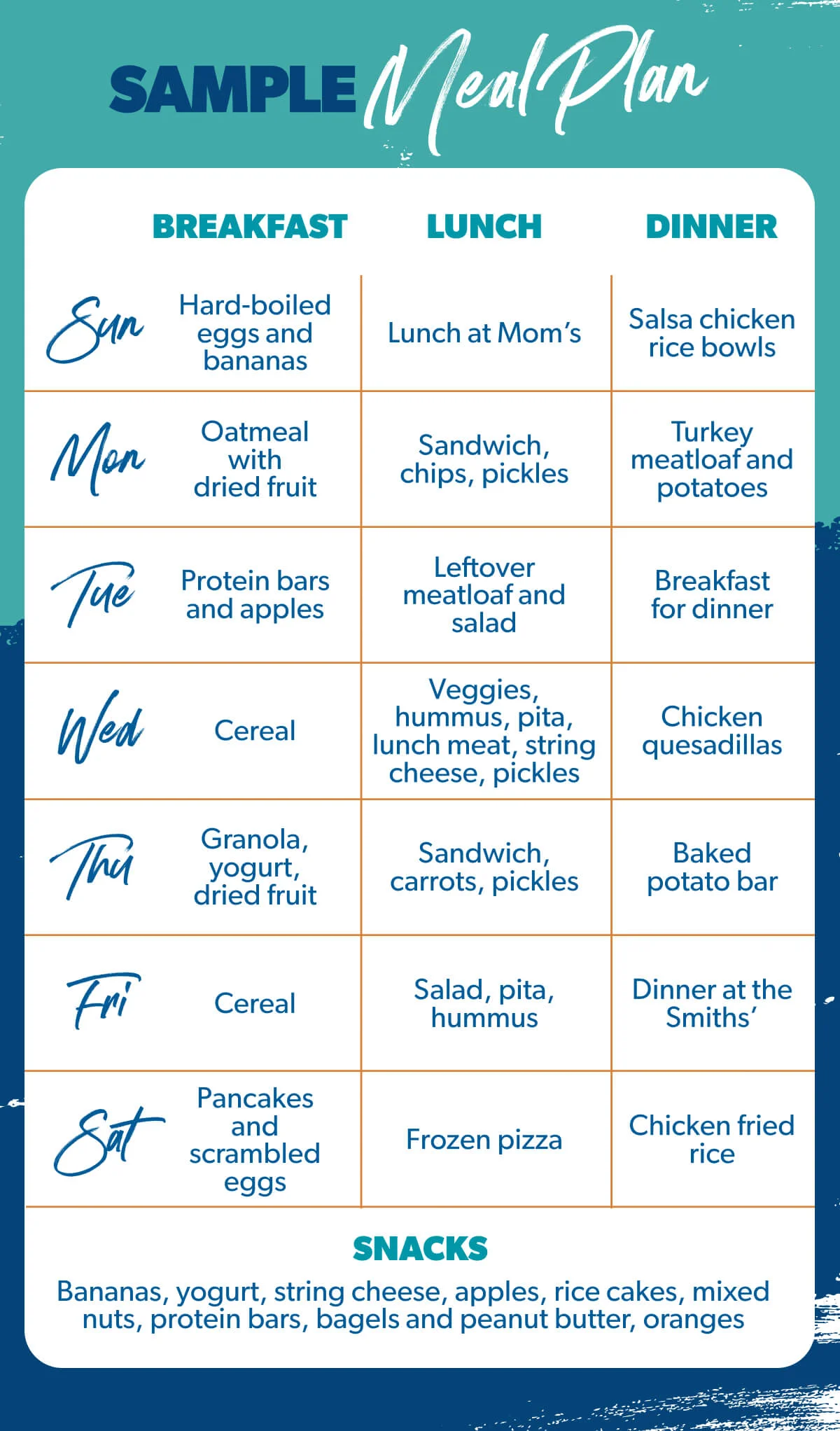
Understanding these fundamentals allows for smarter decisions when selecting ingredients and recipes, laying a foundation for sustainable meal planning.
Setting Realistic Health Goals for the Week
When planning a week of meals, it’s important to set achievable health goals. This might include incorporating a variety of vegetables daily, moderating portions, or limiting added sugars. Keeping goals realistic helps build confidence while avoiding burnout from overly strict expectations.
Clear objectives tailored to lifestyle and preferences make it easier to stay motivated and maintain consistency throughout the week.
Step-by-Step Guide to Planning Your Week of Meals
Creating a Balanced Meal Plan Template
Start with a simple structure covering breakfast, lunch, dinner, and snacks for each day. Aim to include lean proteins, whole grains, and plenty of vegetables. Balancing meals ensures you get necessary nutrients without overspending on specialty items.
Designing the plan with flexibility allows for ingredient substitutions based on price or availability, which can help in sticking to your budget.
Choosing Affordable, Nutritious Ingredients
Focus on budget-friendly proteins like beans, lentils, eggs, and canned fish, complemented by cost-effective vegetables such as carrots, cabbage, and frozen greens. Purchasing whole grains in bulk, like rice or oats, adds value without compromising nutrition.
Being mindful of ingredient cost per serving helps keep the overall expenses manageable while maintaining a healthy diet.
Incorporating Variety Without Breaking the Bank
Repetition in meal prep can lead to boredom, but variety doesn’t have to be expensive. Rotating different spices, herbs, and cooking methods transforms simple ingredients. Including seasonal produce also introduces new flavors at lower costs.
Creative use of leftovers, such as turning roasted vegetables into soups or salads, maximizes resources and keeps meals interesting.
Smart Grocery Shopping Strategies
Building a Budget-Friendly Shopping List
Before shopping, review your meal plan and inventory pantry staples. Compile a list focused on essential items to avoid impulse purchases. Grouping ingredients by section in the store saves time and reduces the temptation for extras that can inflate the bill.
Sticking to the list ensures that your purchases align with your planned meals and budget.
How to Find Discounts and Use Coupons Effectively
Look for weekly sales on staple foods at local stores and consider using store apps or newsletters for coupons. Combining discounts with meal planning enables purchasing larger quantities of affordable basics when prices are lower.
While couponing can be helpful, it’s best to only use them for items you genuinely need to avoid wasteful buying.
Shopping Seasonally for Best Prices and Nutrition
Seasonal produce often costs less and offers superior freshness and taste. Planning meals around what’s in season allows access to a wider variety of nutrients without high expense. Farmer’s markets or local co-ops may provide additional savings on seasonal items compared to supermarkets.
Adjusting your meal plan according to seasonal changes supports both budget and dietary diversity.
Meal Prep Tips for Beginners
Essential Kitchen Tools for Efficient Meal Prep
Having basic kitchen tools can simplify the meal prep process. A sharp chef’s knife, cutting board, large pots or pans, and reusable storage containers are foundational. Investing in items like slow cookers or baking sheets can further streamline cooking multiple batches at once.
Efficient tools reduce prep time and make the process less daunting for beginners.
Batch Cooking Techniques That Save Time and Money
Batch cooking involves preparing large quantities of food at once and dividing portions for multiple meals. This method limits cooking sessions throughout the week and prevents reliance on convenience foods. Examples include cooking a big pot of chili or roasting trays of mixed vegetables.
Using batch cooking reduces energy use and food waste while supporting a consistent eating routine.
Safe Storage and Reheating Practices
Proper storage ensures meals remain safe and tasty. Use airtight containers and refrigerate meals promptly to preserve freshness. Labeling containers with preparation dates helps keep track of food safety timelines. When reheating, ensure food reaches appropriate temperatures to maintain quality.
Adhering to storage guidelines helps prevent spoilage and supports efficient meal prep.
Sample Weekly Budget Meal Plan for Beginners
Breakfast Ideas: Quick, Healthy, and Affordable
Simple options such as oatmeal topped with seasonal fruit or scrambled eggs with spinach provide good nutrition without complexity. Overnight oats or yogurt with nuts are also time-saving choices that fit a budget-conscious approach.
Breakfasts that include fiber and protein support sustained energy throughout the morning.
Lunch and Dinner Recipes Focused on Budget and Nutrition
Meals like vegetable stir-fry over brown rice, lentil soup with whole-grain bread, or baked chicken with roasted root vegetables balance affordability and health. Soups, stews, and casseroles allow use of inexpensive ingredients while creating filling dishes.
Preparing these meals in bulk helps with portion control and cost savings.
Snack Options That Support Healthy Eating
Snacks can be both budget-friendly and nourishing. Fresh fruit, cut vegetables with hummus, or homemade trail mix with nuts and seeds are easy to prepare and require minimal expense. Choosing whole-food snacks helps maintain hunger levels between meals responsibly.
Planning snacks ahead prevents impulsive purchases of less nutritious options.
Tracking Your Progress and Adjusting Your Plan
How to Evaluate Your Meal Plan Success
Reflect regularly on how well the meal plan meets your nutritional goals, budget, and convenience needs. Consider factors like how often meals were eaten as planned, any food waste, and satisfaction with flavor and variety. Keeping a simple journal or checklist can assist in this evaluation.
This feedback loop guides improvements and maintains motivation over time.
Adapting to Changing Budgets and Preferences
Budgets and tastes evolve, so flexibility is essential. If costs rise, incorporate more affordable staples or adjust portion sizes. Experiment with new recipes or ingredients to keep meals enjoyable. Remaining open to change helps maintain a sustainable meal prep routine without undue pressure.
Periodically revisiting your meal plan ensures it continues to fit your lifestyle effectively.


