
Understanding Split Ends: Causes and Prevention
What Are Split Ends?
Imagine waking up to find your once smooth and silky hair fraying at the edges like a worn-out rope. These frayed, fragile tips are known as split ends. Scientifically called trichoptilosis, split ends occur when the hair shaft splits or tears due to damage. This not only affects the aesthetic appeal of your hair but also its strength and manageability. Without proper care, these splits can travel up the hair shaft, leading to further breakage and dryness.
Common Factors Leading to Split Ends
Several everyday habits contribute to the formation of split ends. For example, overexposure to heat styling tools like straighteners and curling irons weakens the hair cuticle. Chemical treatments such as bleaching and perming strip away natural oils, leaving hair vulnerable. Environmental factors like harsh sun, wind, and pollution also play a role. Even simple actions like rough towel drying or brushing hair when it’s wet can exacerbate split ends.
Why Natural Remedies Are Preferred
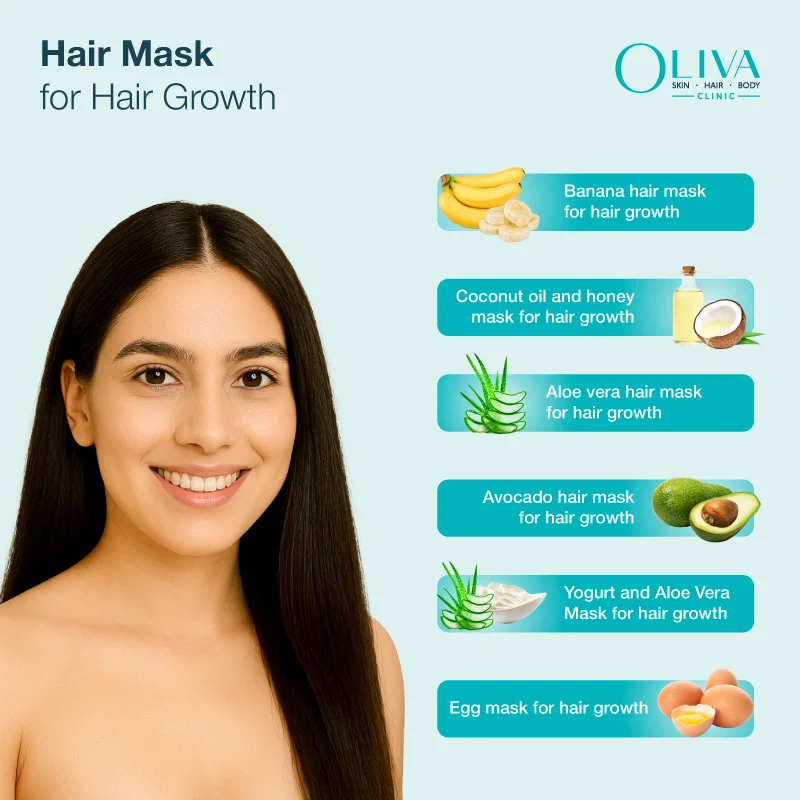
Many turn to harsh chemical serums or silicones to mask split ends temporarily, but these often cause long-term damage. Natural remedies such as coconut oil and honey provide gentle nourishment that penetrates the hair shaft, helping to strengthen and repair it from within. Unlike synthetic products that coat hair and may cause buildup, natural ingredients improve hair health holistically — making them a preferred choice for those seeking sustainable hair care solutions.
The Magic Duo: Coconut Oil and Honey
Benefits of Coconut Oil for Hair Health
Coconut oil has been treasured for centuries in tropical regions for its hair-conditioning properties. It is rich in lauric acid, a fatty acid that penetrates deeply into hair strands, reducing protein loss and reinforcing hair structure. Many people notice their hair becoming softer and more resilient after regular coconut oil treatments. Its natural antibacterial qualities also help maintain a healthier scalp environment, promoting overall hair vitality.
How Honey Nourishes and Repairs Hair
Honey, often dubbed “nature’s humectant,” attracts and locks in moisture. This quality makes it an excellent remedy for dry, brittle hair prone to splitting. Its antioxidant content aids in repairing free radical damage caused by environmental stressors. Users often share stories of honey restoring luster and elasticity to their hair after weeks of consistent use, making it a valuable partner in hair repair routines.
Synergistic Effects of Combining Both Ingredients

When coconut oil and honey are combined, their effects multiply. The oil’s deep penetration complements honey’s moisture retention abilities, creating a nourishing mask that targets split ends and strengthens hair. This duo offers a protective barrier while delivering essential nutrients. Many hair care enthusiasts report that using this mix results in visibly healthier ends and less frizz, highlighting the synergy of these natural powerhouses.
Step-by-Step Guide: Preparing Your Coconut Oil and Honey Mix
Choosing the Right Type of Coconut Oil and Honey
Start your mix by selecting high-quality, unrefined virgin coconut oil, which maintains more nutrients than processed versions. Look for cold-pressed oils to ensure purity. Similarly, opt for raw, organic honey to benefit from its natural enzymes and antioxidants, avoiding pasteurized options that lose potency. This choice mirrors scenarios where people switching from generic products to premium natural ingredients have noticed remarkable improvements in their hair texture and strength.
Proportions and Mixing Techniques
To create the perfect blend, use roughly two tablespoons of coconut oil with one tablespoon of honey. Warm the coconut oil slightly to liquefy it—either in a water bath or microwaving for a few seconds—and gently stir in the honey until fully combined. The resulting consistency should be smooth and spreadable but not runny. This balance ensures easy application and optimal absorption.
Storage Tips for Your Hair Mask
If you prepare the mixture in larger quantities, store it in a clean, airtight container at room temperature away from direct sunlight. The mixture can last up to two weeks; however, if you notice separation or a sour smell, discard it immediately. Many have found keeping the mask in the fridge helps maintain freshness longer, although the coconut oil may solidify and need reheating before use.
Application Process for Maximum Repair
Prepping Your Hair Before Application
For best results, begin with dry or slightly damp hair, as this allows the mixture to penetrate more effectively. Detangle gently to prevent further breakage. Avoid using this mask on oily scalps to prevent greasiness; instead, focus on the mid-lengths and ends where damage is most apparent. Real-life users advise against washing hair immediately before application, since natural oils help with absorption.
How to Apply the Mix to Target Split Ends
Using your fingertips or a wide-tooth comb, section your hair and concentrate the mask on the tips, massaging gently to distribute evenly. Avoid applying heavily near the roots to prevent buildup. Many have reported that careful targeting of split ends with this mask helps reduce frizz and improves the appearance of damaged ends without weighing hair down excessively.
Recommended Duration and Frequency
Leave the mask on for 30 to 60 minutes to allow full absorption. For deeper conditioning, some users wrap their hair in a warm towel. Rinse thoroughly with lukewarm water and a mild shampoo. Applying this treatment once or twice a week balances efficacy with hair health, as overuse could lead to buildup or greasy strands.
Additional Hair Care Tips to Complement the Treatment
Hair Trimming and Protection Strategies
No natural remedy can fully restore split ends; regular trims remain essential. Scheduling trims every 6 to 8 weeks prevents splits from traveling up the strand. Additionally, wearing hats in harsh sunlight, avoiding tight hairstyles that stress hair, and using silk pillowcases can protect hair structure, complementing your coconut oil and honey routine.
Daily Hair Care and Products to Avoid
Shampoos with sulfates and conditioners containing heavy silicones can strip natural oils and weigh hair down, exacerbating damage. Individuals committed to repairing split ends often switch to gentle, sulfate-free cleansers and lightweight leave-in conditioners. Minimizing heat styling and air drying whenever possible are also practices that aid in sustaining the health gains from your natural treatment.
DIY Variations: Adding Other Natural Ingredients for Enhanced Effects
Essential Oils and Their Benefits
Add a few drops of essential oils like lavender, rosemary, or tea tree to your coconut oil and honey mix for added scalp benefits. Lavender oil is known for promoting hair growth and soothing irritation, while rosemary improves circulation. Users blending these oils report a more invigorated scalp and improved hair strength, showing how slight tweaks can elevate your hair care ritual.
Herbs and Extracts to Boost Repair
Incorporate herbal infusions such as chamomile or green tea into the mix for antioxidant boosts. These herbs can be brewed into strong teas, cooled, and mixed with your base ingredients, providing calming and strengthening effects. Many natural hair enthusiasts value these additions for their multi-dimensional benefits without any harsh chemicals.
Signs Your Split Ends are Improving
What to Expect After Weeks of Use
After consistently applying the coconut oil and honey mix for several weeks, you may notice your hair feels softer, more elastic, and less prone to tangling. Visual improvements include reduced frizz and fewer visible splits. Some people describe their hair as regaining a healthy sheen and stronger feel, reflecting a lower rate of breakage during styling.
When to Seek Professional Help
If, despite diligent use of natural remedies, split ends persist or worsen, it might be time to consult a hair care professional. Severe damage such as extensive breakage or scalp issues often require targeted interventions like professional trims, treatments, or specialized advice. Remember, while natural remedies are powerful, they work best as part of a comprehensive hair care routine tailored to your individual needs.


