
Understanding the Connection Between Mindfulness and Sleep
The Science Behind Mindfulness and Sleep Quality
Mindfulness is a state of active, open attention to the present moment. When practicing mindfulness, individuals observe their thoughts and sensations without judgment, which can play a significant role in improving sleep quality. Scientific studies have shown that mindful awareness helps reduce the mental chatter that often keeps people awake at night. By calming the nervous system and encouraging relaxation, mindfulness can foster deeper, more restful sleep cycles.
How Stress and Anxiety Impede Falling Asleep
Stress and anxiety are two of the most common obstacles to falling asleep quickly. When the mind is overwhelmed with worries or racing thoughts, it triggers the body’s fight-or-flight response, releasing hormones such as cortisol that increase alertness. This heightened state makes it difficult to transition into the relaxed state necessary for sleep. Understanding this connection highlights why mindfulness, which promotes calm and reduces stress, can be especially valuable in overcoming these barriers.
Essential Mindfulness Techniques for Better Sleep
Guided Body Scan Meditation
One effective mindfulness technique for improving sleep involves a guided body scan meditation. This practice invites you to systematically focus your attention on different parts of your body, starting from the toes and moving upward. By observing and releasing tension in each area, the body gradually shifts into a state of relaxation. The gentle awareness cultivated during a body scan also helps distract from intrusive thoughts, making it easier to drift off.
Breathing Exercises to Calm the Mind
Breathing exercises are foundational in mindfulness and offer a simple yet powerful way to calm the mind before bed. Slow, deep breathing encourages the body to shift into the parasympathetic nervous system, which promotes rest and recovery. Techniques such as counting breaths or focusing on the sensation of air entering and leaving the lungs help anchor attention away from stressors. These exercises slow the heart rate and ease muscle tension, both crucial for initiating sleep.
Progressive Muscle Relaxation Explained
Progressive Muscle Relaxation (PMR) combines mindful awareness with physical relaxation. This technique involves tensing and then slowly releasing different muscle groups in sequence. By deliberately engaging muscles and then letting go, you foster a profound sense of relaxation and attentiveness to physical sensations. Incorporating PMR into a bedtime routine can ease bodily tension and quiet mental agitation, paving the way for smoother transitions to sleep.
Creating a Mindful Bedtime Routine
Setting a Consistent Sleep Schedule
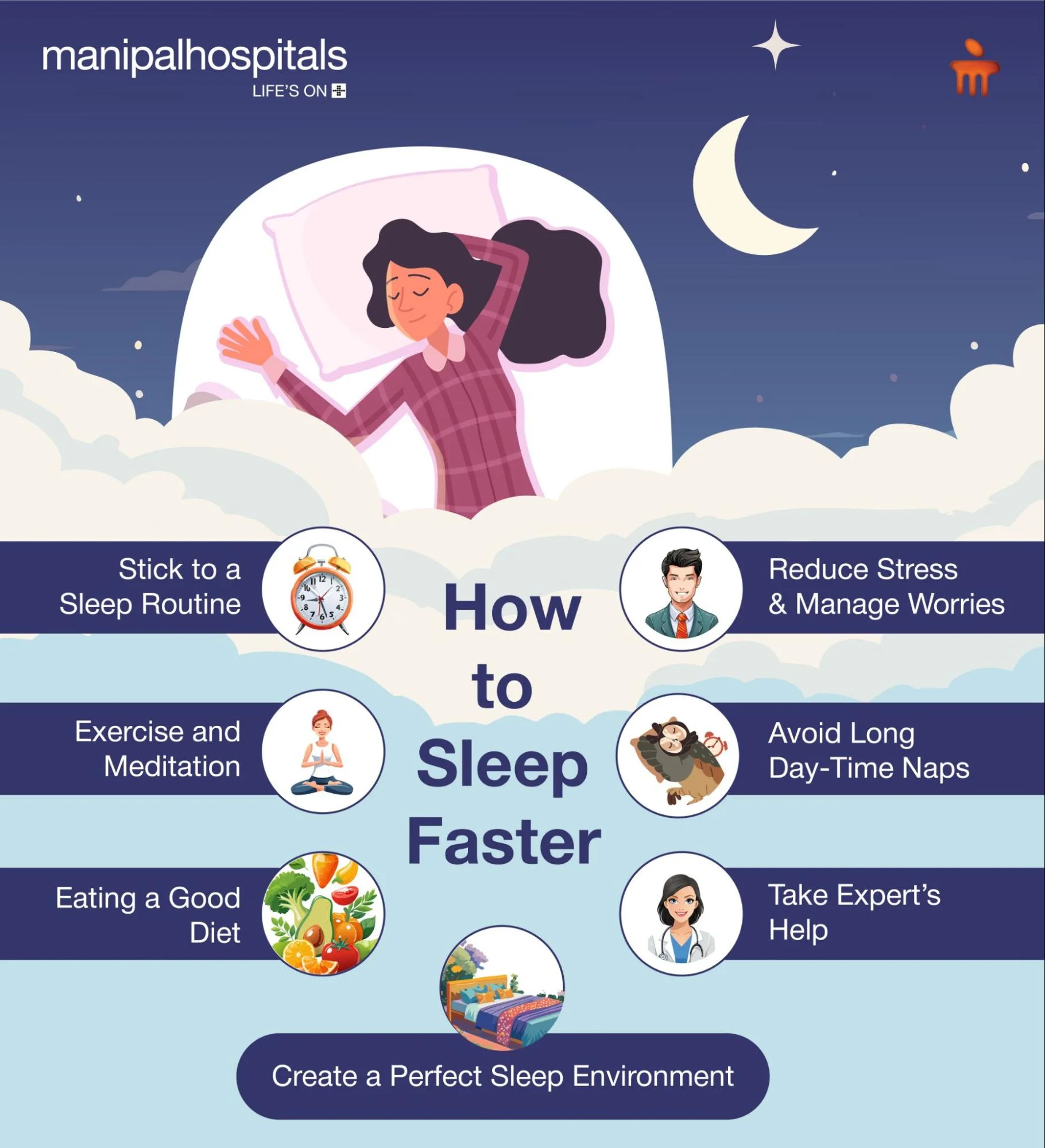
Consistency is key when using mindfulness to improve sleep. Having a regular sleep and wake time helps regulate your body’s internal clock, making it easier to fall asleep naturally. When a consistent schedule is paired with mindful preparation, it signals to the brain that it is time to wind down. This regularity reduces uncertainty about sleep onset, which can otherwise trigger anxiety and delay rest.
Incorporating Mindfulness Into Pre-Sleep Activities
Mindfulness can be woven into your pre-sleep habits by engaging in calming activities that focus your attention gently. Reading a book, listening to soothing music, or practicing meditation encourages a transition from the busyness of the day to a relaxed state. A mindful approach involves observing how your body feels and recognizing the shifting mental landscape as you prepare for sleep, rather than rushing through these moments.
Digital Detox: Reducing Screen Time Before Bed
Exposure to screens before bedtime disrupts natural sleep processes due to the blue light emitted by devices, which suppresses melatonin production. A mindful bedtime routine includes intentionally reducing screen time at least an hour before sleep. This practice not only protects the natural sleep-wake cycle but also provides an opportunity to connect fully with restful activities, free from digital distractions.
Overcoming Common Sleep Challenges with Mindfulness
Dealing with Racing Thoughts
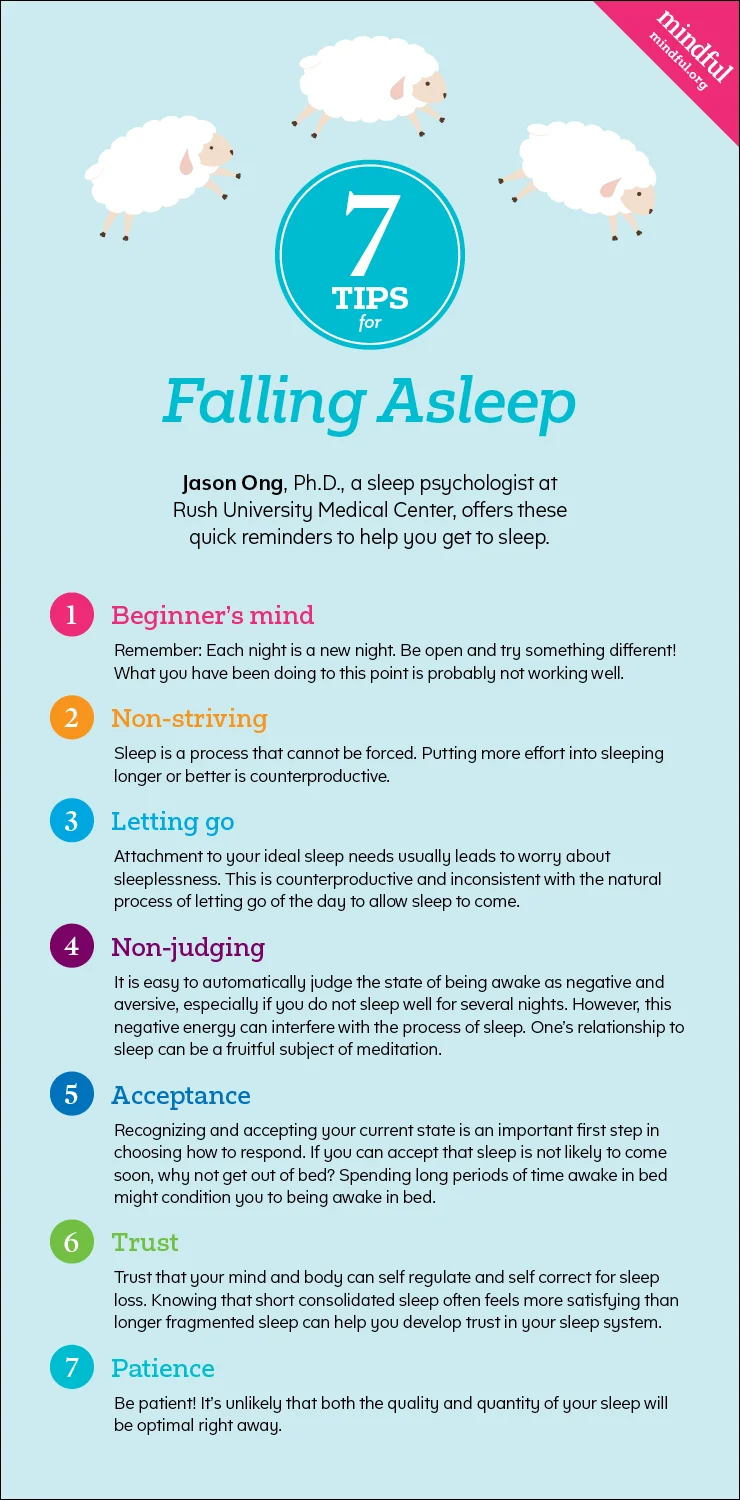
One of the biggest hurdles to falling asleep is the presence of restless, racing thoughts. Mindfulness offers tools to observe these thoughts without becoming caught up in them. Rather than trying to force the mind to be quiet, mindfulness encourages gentle acknowledgment and letting go. With practice, this detachment from mental noise reduces its influence, making sleep more accessible.
Managing Nighttime Anxiety and Stress
Nighttime often magnifies feelings of anxiety and stress, making it harder to relax. Mindfulness helps break this cycle by fostering a compassionate and non-judgmental perspective toward these emotions. Recognizing anxiety as a passing mental event, rather than a threat, shifts the response from fear to calm observation. This shift can diminish the intensity of anxious feelings and promote greater ease at bedtime.
Additional Tips for Waking Up Refreshed
Mindfulness Practices to Start Your Day
Starting the day with mindfulness helps set a positive tone and supports maintaining restful sleep patterns. Simple practices such as mindful breathing or brief meditation upon waking can increase alertness and improve mood. These morning moments of presence help reinforce a balanced mental state that carries through the day and supports restful sleep the following night.
The Role of Morning Sunlight and Movement
Natural light exposure in the morning plays a vital role in regulating circadian rhythms. Mindful attention to sunlight and gentle movement, such as stretching or walking, stimulates the body’s internal clock and boosts energy levels. Incorporating these habits mindfully enhances overall sleep quality and helps you feel more refreshed upon waking.


