
Understanding Energy Needs of Busy Professionals
The Role of Nutrition in Sustained Energy
Busy professionals often struggle with maintaining consistent energy levels throughout the day. Many turn to caffeine for quick fixes, but this approach can lead to crashes and dependency. The real key to sustained energy lies in proper nutrition. Eating balanced meals that supply steady glucose and essential nutrients supports brain function and physical stamina without the drawbacks of stimulants.
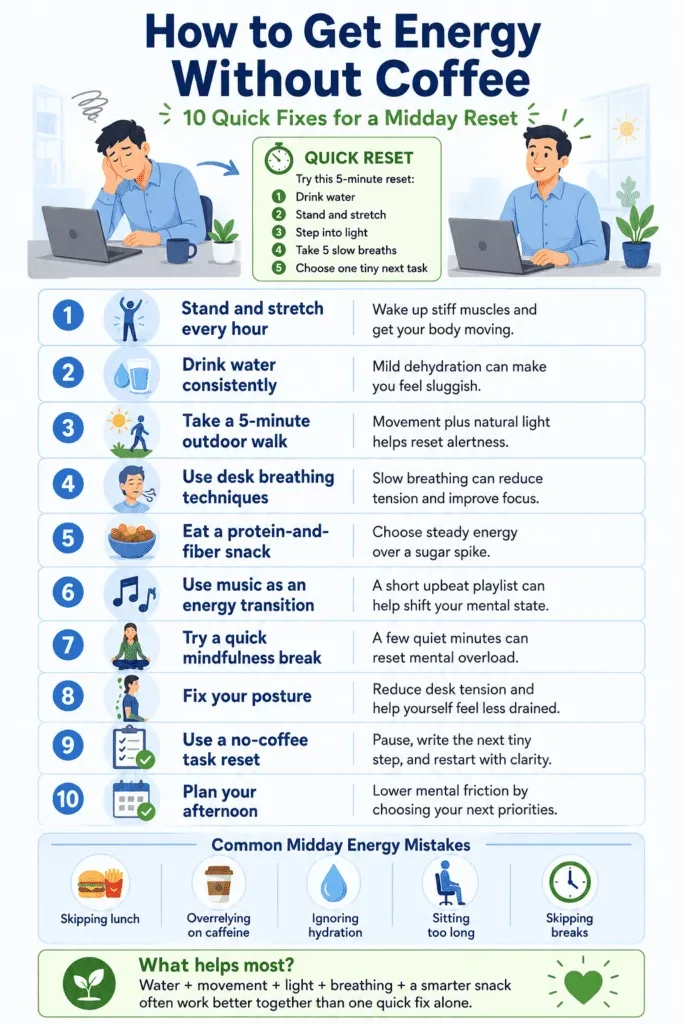
When your body receives the right fuel, it efficiently converts food into energy that lasts. Adequate nutrition stabilizes blood sugar levels, preventing the highs and lows that cause fatigue. Ignoring the importance of balanced meals leads to short bursts of energy followed by rapid declines, making it difficult to stay productive over long hours.
Common Energy Slumps and Their Causes
Many professionals experience mid-morning or mid-afternoon energy slumps. These are often caused by poor meal choices, irregular eating habits, or dehydration. Consuming high-sugar or highly processed foods can cause a spike in blood sugar, followed by a sharp drop, triggering feelings of tiredness. Additionally, skipping meals or having long gaps between food intake deprives the body of steady energy supply.
Fatigue is also commonly linked to excessive caffeine consumption. While caffeine may boost alertness temporarily, it can interfere with natural energy rhythms and lead to dependence. Understanding the root causes of energy dips helps in designing meal plans that provide lasting vitality throughout busy workdays.
Strategic Meal Planning Principles
Balancing Macronutrients for Optimal Energy
One major challenge for busy professionals is assembling meals that sustain energy without relying on caffeine. The solution starts with macronutrient balance—carbohydrates, proteins, and fats. Carbohydrates are the primary energy source, but focusing on complex carbohydrates slows glucose release, avoiding spikes. Protein supports muscle repair and keeps hunger at bay, while healthy fats contribute to brain health and prolonged energy.
Ignoring one macronutrient can result in premature fatigue. For example, carbohydrate-heavy meals without protein or fat can cause rapid glucose drops. Conversely, meals rich only in protein or fat may leave you feeling sluggish. A well-rounded meal aids consistent energy, mental clarity, and satiety.
Timing Your Meals and Snacks Throughout the Day
Even the best meals fail to maintain energy if not timed correctly. Long intervals without eating can lower blood sugar and reduce focus. Structured meal timing helps maintain steady energy levels. Typically, eating balanced meals every 3 to 4 hours prevents dips. Including nutrient-dense snacks between meals can bridge energy gaps effectively.
Irregular eating can cause overconsumption or low energy crashes. Planning meal and snack times in advance encourages consistency, helping busy professionals avoid last-minute unhealthy choices. This rhythm supports physical and mental endurance in demanding work environments.
Top Energy-Boosting Foods Without Caffeine
Complex Carbohydrates and Whole Grains
Refined carbs may offer quick energy but often lead to rapid crashes. Instead, complex carbohydrates found in whole grains like quinoa, brown rice, and oats release energy slowly. This steady supply prevents interruptions in concentration and keeps energy consistent.
These foods also provide fiber, which aids digestion and prolongs fullness. Incorporating a variety of whole grains into your diet will help stabilize blood sugar and maintain alertness naturally, reducing temptation to reach for caffeine.
Protein Sources That Keep You Energized
Protein plays a crucial role in energy regulation by promoting muscle repair and delaying hunger. Lean meats such as chicken and turkey, plant-based sources like lentils and chickpeas, and dairy products offer high-quality protein. Including moderate amounts of protein in every meal supports cognitive function and keeps energy steady over hours.
Relying solely on carbohydrates without protein can cause premature energy drops. Balanced protein intake prevents sudden hunger pangs that often trigger cravings for quick stimulants.
Healthy Fats and Their Cognitive Benefits
Healthy fats like those found in avocados, nuts, seeds, and olive oil are vital for brain health. Unlike saturated fats, these contribute to sustained mental clarity and alertness. They serve as a dense energy source and support cell regeneration, which is essential during stressful periods.
Incorporating healthy fats helps smooth out energy fluctuations and enhances overall stamina. Skipping fats or overemphasizing unhealthy fats often causes grogginess and impaired focus.
Hydration and Its Impact on Energy Levels
Dehydration is a common yet overlooked cause of fatigue among professionals. Even mild dehydration can impair cognitive function and physical performance. Water facilitates nutrient transportation and waste removal, which are essential for energy metabolism.
Relying on caffeinated beverages can paradoxically increase dehydration risk. Drinking sufficient water throughout the day supports natural energy levels and reduces the need for stimulants. Aim to keep a water bottle handy and establish regular drinking habits.
Practical Meal Prep Tips for a Busy Schedule
Batch Cooking Techniques to Save Time
One major hurdle for busy professionals is finding time to prepare balanced meals. Batch cooking—preparing meals in large quantities ahead of time—addresses this challenge effectively. By dedicating a few hours once or twice a week, it becomes easier to have healthy meals ready to go.
Batch cooking saves time, reduces stress around meal decisions, and ensures access to nutrient-dense dishes. Preparing components like grains, roasted vegetables, and proteins separately allows for flexible meal combinations throughout the week. This approach minimizes reliance on caffeine as a quick energy fix born from poor meal choices.
Quick and Nutritious Grab-and-Go Options
There are times when professionals must eat on the move or between meetings. Having quick, nutritious options prevents resorting to sugary snacks or caffeine. Items such as yogurt with nuts, fruit and nut butter, hard-boiled eggs, or pre-cut vegetables with hummus offer balanced nutrition in minutes.
Planning and storing these convenient snacks avoids energy dips caused by poor eating decisions. They support sustained productivity without the energy crash associated with caffeine or processed foods.
Incorporating Mindful Eating Habits
Recognizing True Hunger Versus Fatigue
Many busy professionals confuse tiredness with hunger, leading to unnecessary snacking or caffeine consumption. Developing mindful eating practices helps differentiate between bodily signals. When fatigue strikes, taking a moment to assess if hunger or dehydration is the cause can redirect choices toward nutrition rather than stimulants.
Mindful eating also encourages savoring food, which improves digestion and satisfaction. This awareness builds healthy habits that sustain energy and prevent overeating, ultimately reducing the rollercoaster of caffeine reliance.
Reducing Reliance on Stimulants Like Caffeine
Caffeine dependency can mask underlying nutritional deficits and disrupt natural energy cycles. Gradually replacing caffeinated drinks with herbal teas, water, and nutrient-rich foods resets the body’s natural alertness mechanisms. Combining this with consistent meal planning ensures energy is maintained through food quality and timing rather than external stimulants.
This process takes time and patience but results in improved sleep, better focus, and more stable energy levels during demanding workdays.
Sample Meal Plans and Snack Ideas
High-Energy Breakfast Options
Starting the day with a balanced breakfast is crucial for sustained energy. Options such as oatmeal topped with nuts and berries provide complex carbohydrates and healthy fats. A vegetable omelet with whole-grain toast combines protein and fiber, keeping blood sugar stable. Avoiding sugary breakfast cereals prevents mid-morning crashes and caffeine cravings.
Lunches Designed to Sustain Afternoon Productivity
Midday meals should include a balance of whole grains, lean proteins, and vegetables. A quinoa salad with chickpeas, mixed greens, and avocado delivers slow-releasing carbs, protein, and healthy fats. Grilled chicken with roasted sweet potatoes and steamed broccoli offers sustained energy without heavy digestion demands. Proper lunch choices prevent the post-lunch dip that often triggers caffeine consumption.
Smart Snacking to Avoid Energy Crashes

Smart snacking bridges the gap between meals and maintains alertness. Nuts and seeds provide healthy fats and protein, while fruits like apples or bananas offer natural sugars with fiber. Pairing yogurt with a small handful of granola creates a satisfying energy boost without the sugar crash. These snacks prevent reaching for coffee or energy drinks as a solution to fatigue.
Conclusion
Busy professionals face continuous challenges in maintaining energy without falling back on caffeine. Understanding nutritional energy needs, balancing macronutrients, and timing meals thoughtfully can create a foundation for sustained vitality. Incorporating whole foods rich in complex carbs, protein, healthy fats, and staying hydrated supports brain function and physical endurance naturally. Batch cooking and mindful eating habits further enhance consistency and reduce stimulant reliance.
By adopting these meal planning principles and practical tips, professionals can maximize energy, improve productivity, and experience greater overall well-being without the risks associated with caffeine overuse.


