
Introduction to Effective Home Cleaning
Maintaining a clean home is more than just a chore; it is a foundation for comfort, health, and peace of mind. However, the challenge often lies in sustaining cleanliness consistently over time. Effective home cleaning requires a blend of strategy, routine, and the right tools to ensure every room stays inviting and orderly.
Why Consistency Matters in Home Maintenance
Consistency in cleaning prevents buildup of dirt, dust, and clutter that can quickly spiral out of control. Regular attention to each space in your home reduces the effort needed during deep cleans and helps create a healthier living environment. When cleaning becomes a habit, it minimizes stress by avoiding last-minute scrambles and helps maintain the longevity of furniture and surfaces.
Benefits of Using Checklists for Cleaning
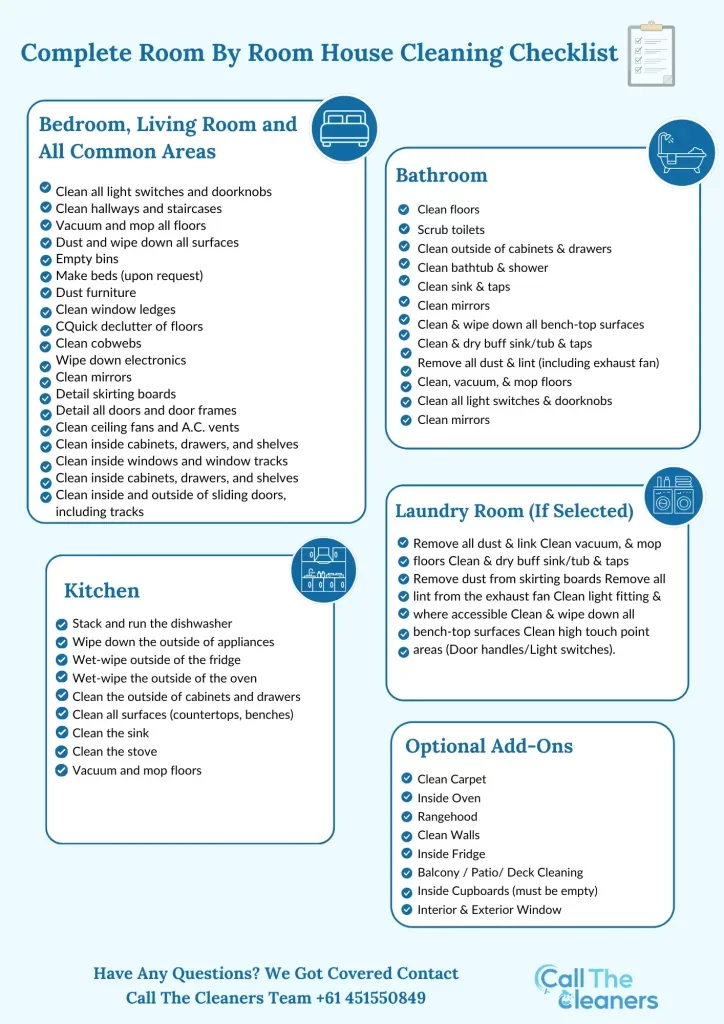
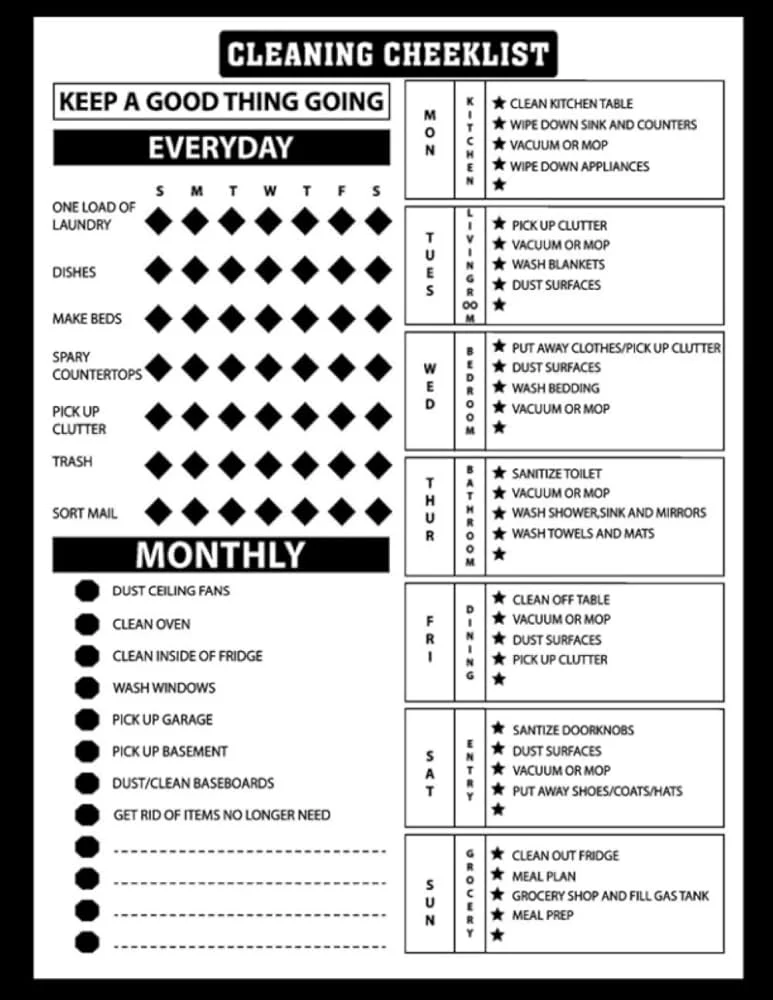
Cleaning checklists serve as practical roadmaps, helping you prioritize tasks without feeling overwhelmed. They ensure that no area is neglected and provide a clear framework for daily, weekly, and monthly chores. By breaking down cleaning into manageable steps, checklists promote efficiency and can even make the process more satisfying as you tick off completed tasks.
Essential Tools and Supplies for All Rooms
Before embarking on any cleaning regimen, it’s important to gather the necessary tools. Having your supplies organized and easily accessible streamlines the process and prevents interruptions.
Must-Have Cleaning Products
Some universal cleaning essentials include microfiber cloths, all-purpose cleaners, disinfectants, and sponges. Depending on the room and surfaces, you’ll also need specialty items like glass cleaner for mirrors and windows, gentle bathroom cleaners, and degreasers for the kitchen. Investing in eco-friendly or non-toxic products can enhance safety, especially in homes with children or pets.
Organizing Your Cleaning Supplies
Keeping your cleaning materials neatly arranged in a portable caddy or designated cabinet fosters quick access and reduces clutter. Group supplies by room or type, such as dusting tools in one section and floor cleaning equipment in another. This system not only saves time but also encourages regular upkeep as everything is within easy reach.
Kitchen Cleaning Checklist
The kitchen is often the busiest room and requires attention to detail to maintain hygiene and appearance.
Daily Tasks for a Spotless Kitchen
Start by wiping down countertops and tables to remove crumbs and spills. Wash dishes promptly to avoid buildup and sanitize sink areas regularly. Sweeping the floor daily prevents dirt accumulation. Paying attention to small messes as they occur keeps the space inviting and reduces the need for intensive cleaning later.
Weekly and Monthly Deep Cleaning Steps
On a weekly basis, focus on cleaning appliances such as the microwave, stove top, and refrigerator exterior. Empty and wipe out the trash bins to avoid odors. Monthly, take time to clean inside appliances and organize pantry shelves. These deeper tasks address hidden grime and help maintain a hygienic cooking environment.
Living Room Cleaning Checklist
Your living room is a space of relaxation and socializing, so keeping it tidy enhances comfort and aesthetics.
Routine Dusting and Decluttering
Dust accumulates quickly on surfaces, electronics, and decorative pieces. Regular dusting not only improves air quality but also preserves the integrity of furnishings. Decluttering is equally important; removing unnecessary items creates a sense of order and maximizes available space.
Maintaining Upholstery and Electronics
Vacuum sofas and chairs frequently to remove dust, hair, and crumbs that can embed into fabric. For electronics, use appropriate cleaners and avoid excess moisture to protect screens and controls. Keeping these elements clean extends their lifespan and keeps your living area inviting.
Bathroom Cleaning Checklist
Bathrooms require thorough attention to maintain sanitation and comfort.
Sanitizing Fixtures and Surfaces
Focus on toilets, sinks, and bathtubs with disinfectants to eliminate germs. Wipe down mirrors and counters to remove streaks and toothpaste residue. Keeping these areas sparkling clean prevents the buildup of bacteria and keeps your bathroom fresh.
Preventing Mold and Mildew
Bathrooms are prone to moisture, which creates ideal conditions for mold. Regularly clean grout lines and use mildew-resistant sprays. Ensure proper ventilation by using exhaust fans or opening windows after showers, helping to reduce dampness and maintain a healthy environment.
Bedroom Cleaning Checklist
A tidy bedroom promotes restful sleep and relaxation, making its upkeep vital.
Linen Care and Organization
Change bed linens weekly to maintain freshness and reduce allergens. Organize closets and dressers routinely to avoid clutter. A well-arranged space can make mornings easier and improve overall sleep quality.
Floor and Surface Maintenance
Vacuum floors and rugs to remove dust and dirt that settle overnight. Dust nightstands, dressers, and lamps regularly. These activities prevent buildup and keep your bedroom feeling cozy and clean.
Additional Spaces: Hallways, Entryways, and Closets
Though often overlooked, these transitional spaces greatly influence the overall tidiness of your home.
Quick Tidy Tips for High-Traffic Areas
In entryways and hallways, sweep or vacuum frequently to manage dirt tracked from outside. Declutter surfaces like console tables and shoe racks to keep the area neat. Small efforts here can prevent mess from spreading to other rooms.
Seasonal Closet Organization Guide
Closets benefit from seasonal reviews to donate unused clothing and reorder items for easy access. Use storage bins and labels to categorize belongings, making it simpler to maintain organization throughout the year.
How to Customize Checklists for Your Home
Every household has unique needs, so adapting cleaning routines is essential for long-term success.
Adjusting Frequency Based on Lifestyle
Consider factors like the number of occupants, presence of pets, and daily activities to tailor your checklist. Homes with children or pets may require more frequent attention to certain areas, while smaller households might benefit from a lighter schedule.
Involving Family Members or Roommates
Sharing cleaning responsibilities helps distribute the workload and fosters a cooperative environment. Assign tasks based on preference or skill, and use checklists as a communication tool to track progress. This collaboration not only improves results but also builds a sense of shared ownership of the space.


