
Understanding the Importance of Clarity in Personal Goals
Why Clear Goals Matter
Imagine waking up one morning not entirely sure what you want to achieve or why it matters. This lack of clarity often leads to drifting through the day, reacting to whatever comes your way instead of actively steering your life. Clear personal goals act as a compass; they provide direction and motivation. For example, when Sarah decided she wanted to improve her health, she felt overwhelmed by countless options. But by defining a clear goal—running a 5k in three months—she was able to focus her energy and plan effectively. Without clarity, goals become vague wishes, easy to abandon when distractions arise.
The Role of Journaling in Self-Discovery
Journaling is more than putting pen to paper; it’s a powerful tool for self-reflection and discovery. When John started writing about his frustrations and dreams, he uncovered patterns and priorities he hadn’t consciously recognized. Journaling helps externalize thoughts, making abstract feelings tangible and manageable. This process often reveals what truly matters beneath surface-level desires, bringing buried aspirations and conflicts to light. In essence, journaling creates a private space to explore your inner world, paving the way for clearer, more authentic personal goals.
Preparing Yourself for Effective Journaling
Creating a Conducive Environment
Before diving into journaling, setting up the right environment can drastically improve your focus and openness. Consider the story of Mia, who struggled to write consistently until she began journaling in a quiet corner of her home, away from screens and noise. Soft lighting, comfortable seating, and minimal distractions helped her enter a reflective state more easily. Your environment should invite calm and introspection—whether that’s a cozy nook, a park bench, or early mornings before the day begins.
Choosing the Right Journaling Tools
The tools you use also impact your journaling experience. Some people thrive with a classic paper notebook, relishing the tactile feel of pen and page. Others prefer digital apps for ease of editing and portability. Take Mark’s example: switching from a basic notebook to a journaling app helped him organize his entries by themes and set reminders, making journaling a seamless part of his routine. The key is to experiment and find what feels natural and sustainable for you.
Focused Prompts for Identifying Your Core Values
Reflecting on Past Experiences
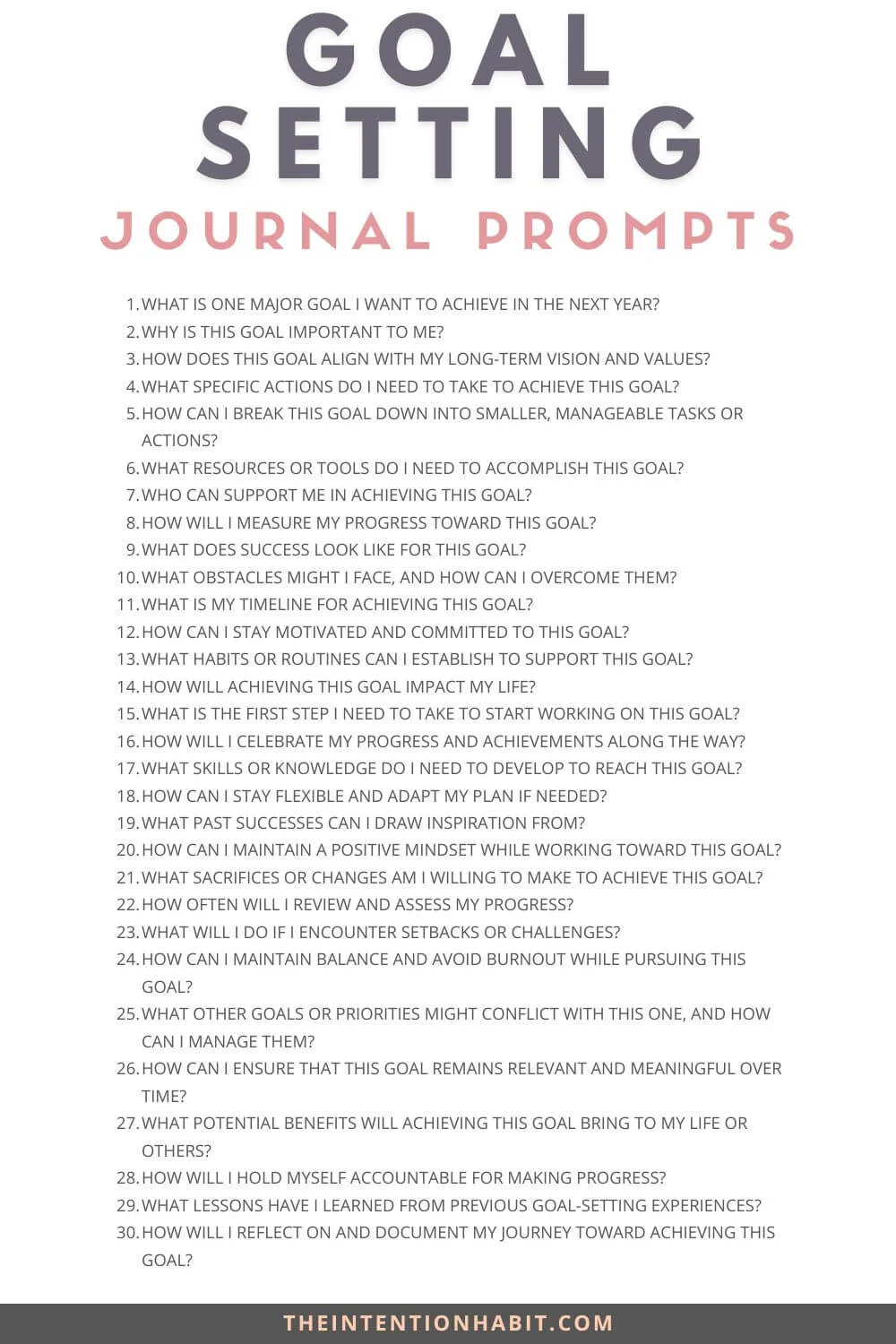
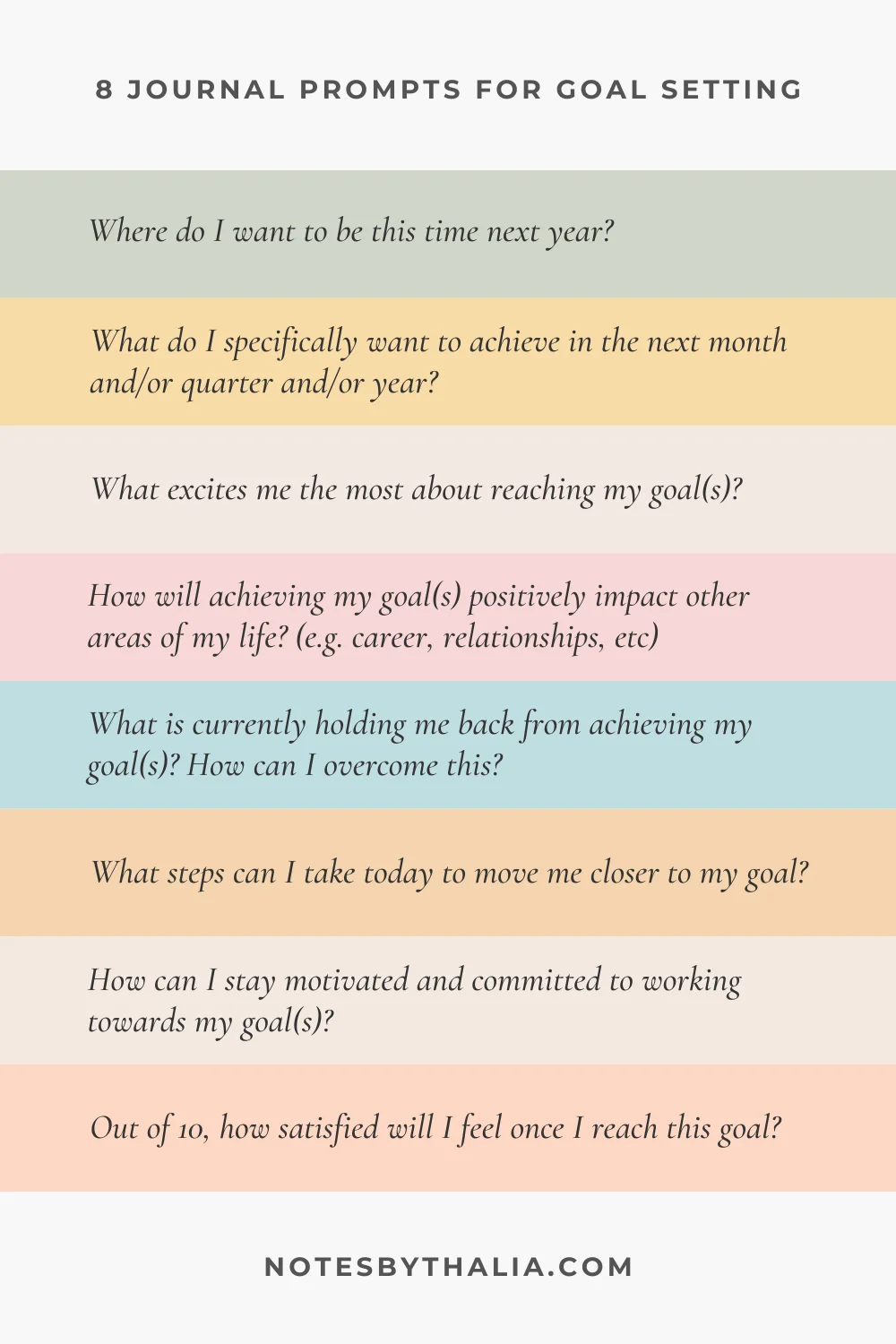
Our past experiences often reveal what we hold dear, even if we don’t realize it immediately. When Emma journaled about moments she felt proud or fulfilled, she noticed a pattern around helping others. Writing about specific events, such as a time she volunteered or supported a friend, brought clarity to her value of compassion. Prompts like “Describe a moment when you felt truly alive” or “What achievements are you most proud of, and why?” guide you to uncover these essential values embedded in your history.
Exploring What Truly Motivates You
Motivation is the engine behind goal-setting. Yet, it can be tricky to separate genuine motivation from external pressures. Jason found clarity by journaling on prompts like “What activities make you lose track of time?” or “When do you feel most energized?” These questions helped him identify intrinsic drivers rather than goals dictated by others’ expectations. Being honest in your responses uncovers authentic motivations, steering you toward goals that resonate deeply rather than those that simply look appealing on the surface.
Journaling Techniques to Prioritize Goals
Listing and Ranking Desires
When faced with numerous ambitions, it’s common to feel overwhelmed. Listing all desires is a practical starting point, but the real insight comes from ranking them. Take Laura, who had dreams ranging from career advancement to learning a musical instrument. By assigning priority levels, she recognized which goals aligned with her immediate values and resources. This exercise prevents spreading yourself too thin and highlights where to invest your time and energy first. Writing out your goals and then reflecting on their impact and feasibility can clarify which deserve your focus.
Visualizing Success and Its Impact
Visualization is a compelling journaling technique to deepen commitment and prioritize effectively. Picture David, who journaled in detail about what succeeding in his business would look like—not just in financial terms but in lifestyle and relationships. Describing the ripple effect of his success helped him realize which goals mattered most for his overall happiness. Writing about success scenarios transforms abstract goals into vivid images, making it easier to prioritize actions that lead there.
Action-Oriented Prompts for Setting Practical Priorities
Breaking Down Long-Term Ambitions
Big goals often feel daunting until they are broken into manageable steps. When Anika journaled about her dream of publishing a novel, she listed smaller milestones like drafting chapters, seeking feedback, and editing. This breakdown not only made the goal approachable but also highlighted where she needed to allocate time weekly. Using prompts such as “What is one small step I can take this week toward my goal?” or “What resources do I need to advance?” shifts focus from distant dreams to immediate actions.
Daily Habit Tracking for Consistency
Consistency is the backbone of progress, and journaling can help reinforce habits tied to your goals. Consider James, who tracked his daily reading habit to improve knowledge for his career growth. Each day, he noted whether he read, how he felt, and obstacles encountered. This practice increased accountability and revealed patterns affecting his consistency. Simple prompts like “What did I do today that aligned with my priorities?” encourage daily reflection, helping you stay on track.
Review and Refinement Through Weekly Check-Ins
Evaluating Progress and Adjusting Goals
Weekly reviews turn journaling from a one-time exercise into a dynamic process. Olivia made a habit of reviewing her entries every Sunday, assessing what worked, what didn’t, and why. This reflection led her to adjust goals realistically, avoiding burnout while staying motivated. Journaling prompts such as “What progress did I make this week?” and “What challenges should I address moving forward?” foster an adaptive mindset, crucial for sustained growth.
Celebrating Small Wins
Too often, people overlook small victories, focusing only on end goals. Journaling these wins, as Maya did when she acknowledged small improvements in her public speaking, built confidence and kept her engaged. Celebrating progress reinforces positive behavior and sustains momentum. Including prompts like “What am I proud of accomplishing this week?” helps cultivate gratitude and motivation, making the journey toward your goals enjoyable.
Creative Journaling Styles to Maintain Engagement
Incorporating Art and Mind Maps
Journaling doesn’t have to be solely textual. Adding drawings, mind maps, or diagrams can unlock new insights and keep the practice enjoyable. Sarah used mind maps to visually connect her values, goals, and daily actions, which simplified complex thoughts. Sometimes, sketching emotions or goals can reveal subconscious thoughts that words might miss. This creative approach makes journaling a richer, more engaging experience.
Using Lists, Letters, and Dialogues
Experimenting with different formats prevents journaling from becoming monotonous. Writing letters to your future self or having a written dialogue between your “current” and “ideal” selves opens up new perspectives. For instance, Paul wrote a letter outlining his fears and hopes, which helped him confront doubts and reinforce commitment. Lists are useful for goal breakdowns, while dialogues encourage inner conversations that clarify conflicts or motivations. These varied styles keep the process fresh and insightful.


