
Understanding Chronic Stress and Its Impact
Defining Chronic Stress vs. Acute Stress
Imagine Sarah, a project manager who faces a sudden tight deadline at work. The intense pressure she feels for a few hours is acute stress—a short-term response to an immediate challenge. However, when Sarah’s workload remains heavy week after week without relief, and the stress becomes constant, it transitions into chronic stress. Unlike the temporary spikes of acute stress, chronic stress steadily drains her energy and focus over months.
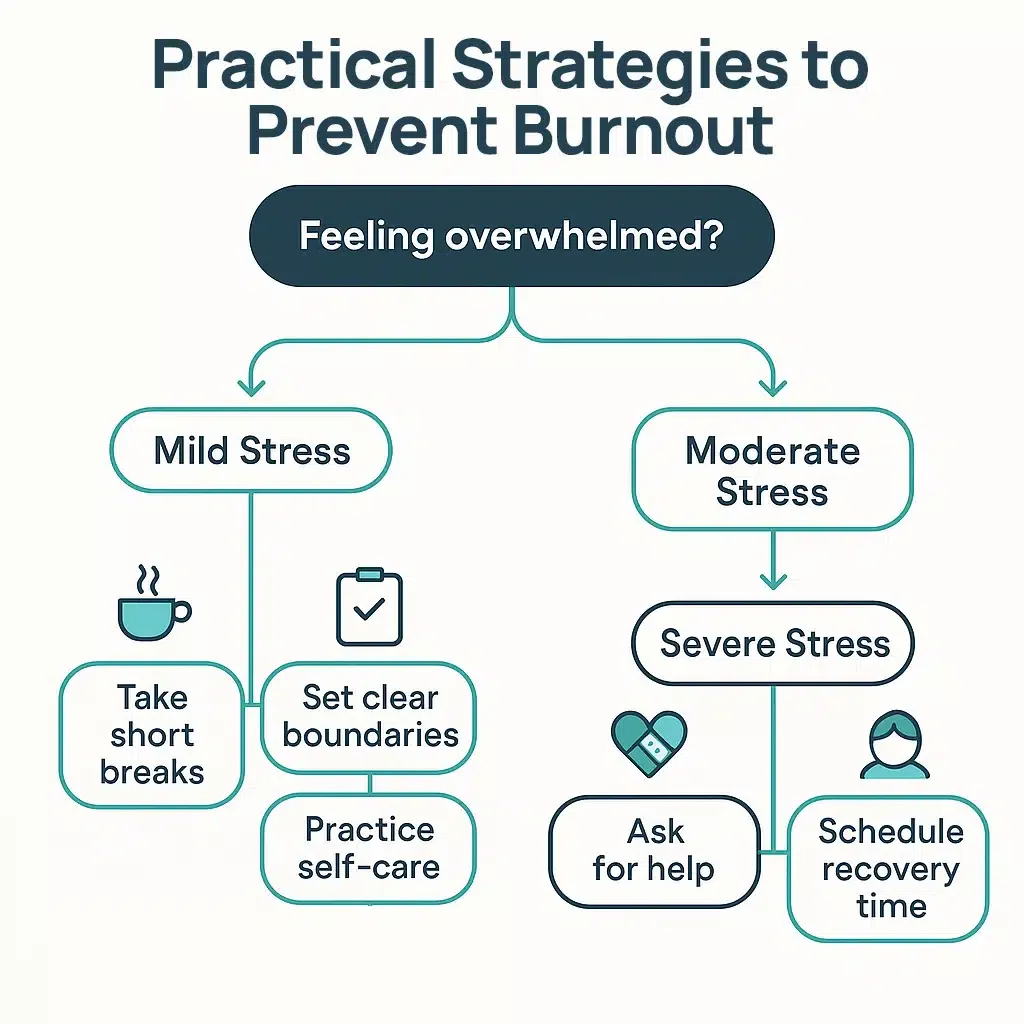
Chronic stress occurs when the body’s stress response remains activated for prolonged periods, preventing recovery. This type of ongoing strain affects emotional and physical wellbeing, slowly wearing down the individual’s capacity to cope with daily demands.
The Path from Stress to Burnout
Tom, a high school teacher, noticed that his enthusiasm was fading after months of juggling lesson plans, grading papers, and administrative tasks. His persistent stress gradually evolved into burnout—a state characterized by emotional exhaustion, detachment, and reduced performance. Burnout doesn’t happen overnight; it’s often the outcome of unmanaged chronic stress stretching over a long time.
Recognizing the early stages of burnout is crucial to stopping the downward spiral. Burnout can affect motivation, health, and relationships, impacting not only professional life but personal wellbeing as well.
Recognizing Early Warning Signs
Common early signals include feeling constantly tired despite adequate rest, experiencing irritability or mood swings, and having difficulty concentrating. Individuals like Maria, a nurse working long shifts, may find themselves withdrawing from social activities or feeling cynical about their job. Identifying these warning signs allows for intervention before stress becomes overwhelming.
Awareness lays the foundation for proactive management, turning moments of vulnerability into opportunities for self-care and adjustment.
Effective Daily Practices for Stress Management
Mindfulness and Meditation Techniques
John, a software developer, began incorporating brief mindfulness sessions into his morning routine. These moments of focused breathing helped him create a buffer against the day’s chaos. Mindfulness encourages nonjudgmental awareness of the present, helping reduce racing thoughts and build emotional calm.
Simple practices such as mindful breathing or guided meditation apps can fit easily into even the busiest schedules. Over time, these techniques cultivate resilience and improve responses to stress triggers.
Time Management to Reduce Overwhelm
Lisa, juggling roles as a mother and freelancer, struggled with feeling overwhelmed by competing responsibilities. She found relief by breaking tasks into manageable chunks and prioritizing the most urgent ones. Using planners or digital tools to schedule breaks and set realistic goals prevented her from overcommitting.
Effective time management isn’t about cramming more tasks into the day but creating balance that honors energy levels and mental space.
Physical Activities That Alleviate Stress
After noticing increased tension and headaches, Mark started taking short walks during work breaks and attending weekly yoga classes. Movement helps release built-up tension and stimulates the production of endorphins—the body’s natural mood lifters.
Integrating even moderate physical activity into daily routines can significantly reduce stress symptoms and improve overall energy.
Building a Support System
The Role of Social Connections in Stress Reduction
When Priya faced an intense workload, she reached out to colleagues and friends for support. Talking about her challenges and receiving empathy made a palpable difference in how she felt. Social connections provide a sense of belonging and perspective, buffering the effects of stress.
Regular interaction, whether through informal chats or structured support groups, helps individuals process emotions and avoid isolation, which can exacerbate stress.
Seeking Professional Help Before Burnout
Jacob recognized that his stress was becoming unmanageable and chose to consult a counselor. While not every stressful experience requires professional intervention, early conversations with mental health practitioners can offer valuable coping strategies before symptoms worsen.
Knowing when to seek help is a sign of strength; professionals can assist with emotional tools and guidance tailored to individual needs, preventing escalation toward burnout.
Environmental Adjustments to Promote Calm
Creating a Stress-Reducing Workspace
Working from home, Emily noticed her stress levels lowered after decluttering her desk and incorporating soft lighting and plants. A thoughtfully arranged workspace minimizes distractions and fosters focus.
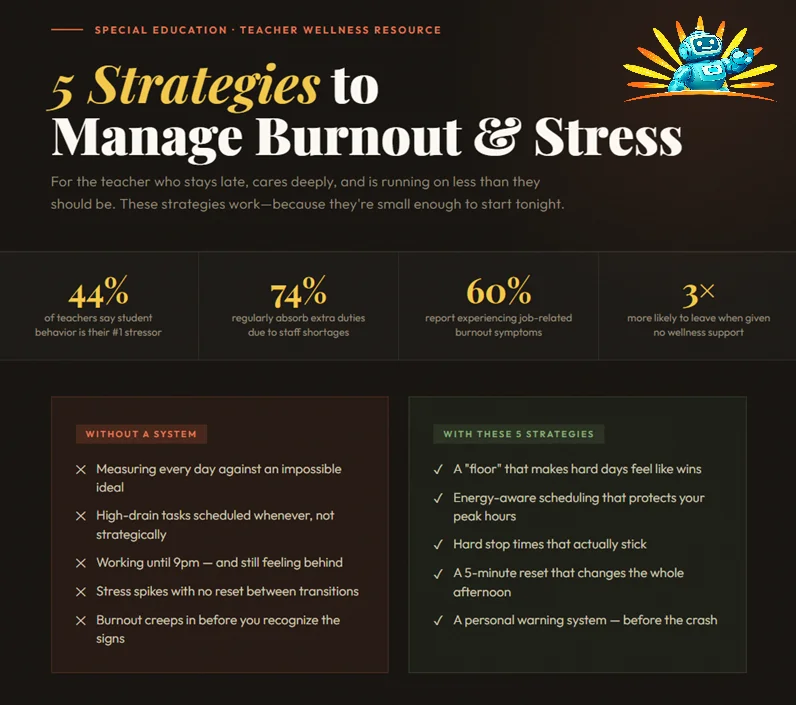
Simple adjustments like ergonomic seating, calming colors, or pleasant scents can transform an environment from a source of tension into one that encourages relaxation and productivity.
Incorporating Nature and Outdoor Time
Michael, a city dweller, made it a point to spend his lunch breaks in a nearby park. Time outdoors, especially among greenery, reduces cortisol levels and boosts mood. Even brief exposure to natural settings can refresh the mind and reset stress responses.
Prioritizing outdoor activities or integrating natural elements into indoor spaces helps counteract the effects of artificial environments and prolonged screen time.
Long-Term Strategies for Preventing Burnout
Setting Healthy Boundaries
After years of saying “yes” to every request, Anna learned to say “no” when necessary, protecting her time and energy. Setting clear limits on work hours and personal commitments prevents overload and fosters respect from others.
Boundaries can be challenging to maintain initially but are essential for sustainable wellbeing and preventing chronic stress from escalating into burnout.
Developing Resilience and Emotional Agility
Resilience is like a muscle that strengthens with practice. David, an entrepreneur, cultivated resilience by reframing setbacks as learning opportunities and practicing gratitude. Emotional agility—the capacity to adapt to changing circumstances and accept emotions without judgment—enables better navigation of stress.
Building these skills through reflection, journaling, or supportive relationships equips individuals to handle pressure without becoming overwhelmed.
Conclusion
Managing chronic stress requires a multifaceted approach that combines awareness, daily practices, social support, and environmental adaptations. Real-life experiences show that small, consistent changes—whether it’s adopting mindfulness, improving time management, or creating a calming workspace—can prevent stress from evolving into burnout.
Recognizing early signs, building resilience, and cultivating healthy boundaries empower individuals to maintain balance amid life’s demands. By actively managing stress before it accumulates, one can sustain wellbeing and productivity over the long haul.


