
Understanding the Challenge of Balancing Work and Family
Common Stressors Faced by Working Parents
Parents juggling both professional responsibilities and family obligations often encounter significant stress. The constant push to meet work deadlines while attending to the needs of children and household duties creates a tension that can feel overwhelming. Many face interruptions during work hours from childcare needs, unexpected family emergencies, or coordinating schedules for multiple family members. The feeling of never having enough time intensifies this pressure, leading to frustration and exhaustion.
The Impact of Poor Time Management on Family Life
Poor time management exacerbates these challenges by creating ripple effects throughout family dynamics. When parents struggle to allocate enough quality time for their children or partner, relationships can become strained. Missed appointments, rushed mornings, and chaotic evenings often result from inadequate planning. Additionally, the lack of a structured routine may increase stress levels, reduce productivity, and diminish overall satisfaction both at work and at home. The consequences highlight why developing effective time management skills is essential for maintaining harmony in busy households.
Essential Time Management Principles for Parents
Prioritization Techniques Tailored for Busy Families
One core challenge is deciding what deserves immediate attention versus what can wait. Parents often find themselves pulled in multiple directions, making prioritization crucial. A practical approach involves distinguishing between urgent and important tasks to focus energy effectively. For instance, attending a child’s school event may take precedence over less time-sensitive work tasks. By regularly evaluating priorities, parents can ensure that both family needs and professional demands are met more harmoniously without sacrificing well-being.
Setting Realistic Goals and Boundaries
Unrealistic expectations can lead to burnout and feelings of failure. Setting achievable goals grounded in one’s actual available time helps manage both work projects and family commitments. It’s equally important to establish clear boundaries—such as specific work hours or designated family times—to prevent the two from overlapping excessively. When parents communicate these limits to colleagues and family members, it fosters mutual understanding. This structure not only helps maintain focus but also supports emotional balance by reducing role confusion and last-minute pressures.
Effective Daily Routines to Streamline Your Day
Morning Kickstart Habits That Set the Tone
The start of the day often dictates how smoothly the rest unfolds. Many parents find that creating simple, consistent morning routines dramatically decreases chaos. Preparing outfits and lunches the night before, setting alarms to allow ample time, and incorporating brief moments of mindfulness or planning can provide a calm, focused beginning. These habits create structure, reduce decision fatigue, and help children transition smoothly into their day. Establishing a predictable start energizes parents while promoting a more positive family atmosphere.
Evening Wind-Down Strategies to Prepare for Tomorrow
Equally critical is how the day concludes. Evenings packed with unresolved tasks or scattered plans can increase stress and disrupt sleep quality. Taking time to review the upcoming day’s schedule and organizing essentials like school bags or work materials can ease morning pressures. Additionally, integrating calming activities such as reading or quiet conversations promotes relaxation for both parents and children. This mindful closure not only reduces nighttime stress but creates a mental reset, positioning the family for a smoother start the next day.
Smart Scheduling: Tools and Tips for Parents
Leveraging Digital Calendars and Shared Apps
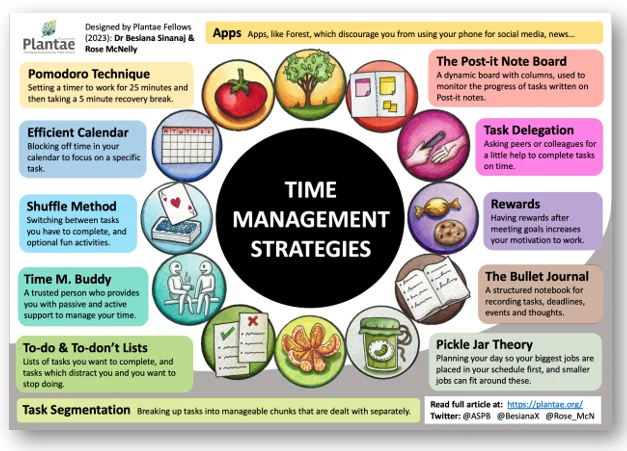
In today’s digital age, relying on outdated paper planners can hinder coordination, especially for families with complex schedules. Digital calendars and shared apps offer real-time updates and reminders that keep everyone informed. By syncing school events, work meetings, and extracurricular activities, parents gain a comprehensive view of commitments. These tools also facilitate communication between partners or caregivers, reducing scheduling conflicts. Using technology thoughtfully allows working parents to manage time more transparently and respond proactively to changes.
Time Blocking and Batch Tasking for Maximum Efficiency
Another effective strategy involves grouping similar tasks into blocks and tackling them during designated periods. This method minimizes frequent task-switching, which can drain mental energy and reduce effectiveness. For example, setting aside a specific hour to return emails or prepare meals in batches frees up other parts of the day for focused family interaction or uninterrupted work. Time blocking supports deeper concentration and helps maintain a healthier rhythm, allowing busy parents to balance competing demands with less stress.
Stress Reduction Methods Through Better Time Management
The Role of Breaks and Self-Care in Maintaining Balance

Constantly rushing without breaks can lead to burnout and decreased productivity. Incorporating short pauses throughout the day provides crucial mental resets. These moments, whether a brief walk, deep breathing, or simply stepping away from screens, contribute to improved focus and emotional resilience. Prioritizing self-care is not selfish but necessary; parents who tend to their own well-being are better equipped to care for their families. Recognizing the importance of rest sharpens time management by ensuring sustained energy levels.
How to Delegate and Say No Without Guilt
Many parents feel compelled to manage everything personally, but this often leads to overwhelm. Learning to delegate age-appropriate tasks to children or share responsibilities with partners and support networks lightens the load. Additionally, setting limits on commitments and saying no to non-essential obligations protects valuable time. While it can be challenging to enforce these boundaries, doing so outright reduces stress and fosters a healthier balance. Embracing delegation and selective prioritization empowers parents to focus on what truly matters without unnecessary guilt.
Real-Life Stories: Successful Parents Sharing Their Hacks
Case Study 1: Managing Remote Work with Young Children
One parent who transitioned to remote work discovered the power of flexible scheduling combined with clear communication. By setting specific ‘focus hours’ when children engaged in activities or quiet time, they minimized distractions and met work expectations. This adjustment required upfront planning and candid conversations with employers. Additionally, designating a home workspace physically separated from family areas signaled work mode, improving concentration. These changes fostered a more respectful balance between parental duties and professional responsibilities.
Case Study 2: Juggling Multiple School Activities and Deadlines
Another family managing several children’s extracurricular involvement relied heavily on collaborative scheduling. They created a shared digital calendar visible to all caregivers, capturing practice times, project due dates, and family events. Weekly planning sessions allowed open discussion of conflicts and priorities, helping distribute transportation and support tasks fairly. By combining time blocking with strategic delegation—such as carpooling with other parents—they ensured no one became overwhelmed. This organized approach reduced last-minute stress and strengthened teamwork within the family.


