
Understanding Mindfulness in the Context of Daily Commuting
What Mindfulness Really Means
Mindfulness is the practice of purposefully focusing your attention on the present moment with an attitude of openness and non-judgment. It involves fully experiencing your current environment, sensations, and thoughts without distraction or reactive thoughts. This state of awareness helps you break away from autopilot behaviors and enhances mental clarity and emotional balance. When applied during daily commuting, mindfulness transforms routine travel into an opportunity for calm reflection and mental reset.

The Common Challenges of Daily Commutes
Daily commuting often includes repetitive tasks, crowded spaces, and delays, which can increase stress or frustration. Many commuters find themselves mentally preoccupied with work or personal concerns, missing out on the subtle details of their surroundings. This can lead to feeling rushed or disconnected even before reaching their destination. These challenges make the commute a prime setting for introducing mindfulness, which can counterbalance stress and improve overall well-being.
Benefits of Mindfulness During Travel
Incorporating mindfulness into commuting brings several benefits. It helps reduce anxiety and negative thought patterns while improving concentration and emotional regulation. Mindful commuting allows you to arrive more centered and refreshed, ready to face your day with greater patience and presence. Additionally, it can enhance your awareness of surroundings, making your travel experience safer and more enjoyable.
Simple Mindfulness Techniques to Practice While Commuting
Using Breathing Exercises in Transit
One of the easiest ways to practice mindfulness during your commute is by focusing on your breath. Start by taking slow, deliberate breaths, feeling the rise and fall of your chest or abdomen. This anchors your awareness in the present moment, providing a natural calming effect. Even a minute or two of conscious breathing during a traffic jam or bus ride can shift tension and bring clarity to your mind.
Engaging Your Senses on the Go
Another effective method involves tuning into your five senses. Notice the sounds around you, the colors and shapes passing by, the smells in the air, and the physical sensations within your body — like the texture of the seat or the feeling of your feet on the ground if walking. This sensory engagement encourages full presence without requiring extra time, making ordinary moments rich with awareness.
Mindful Listening: Sounds that Center You
Mindful listening during a commute can be as simple as paying close attention to ambient noise or music without distraction. Focus on the distinct layers of sound, such as conversations, footsteps, or the hum of an engine, and observe how they rise and fall naturally. This practice can become a grounding exercise that draws you away from wandering thoughts and increases concentration.
Observing Without Judgment: Visual Awareness
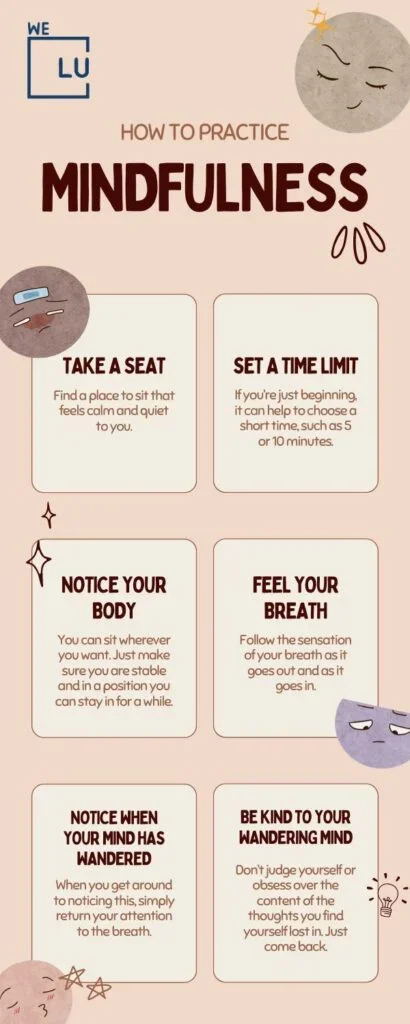
Try observing your surroundings without labeling or reacting to what you see. Treat the environment like an impartial observer, noticing light patterns, people’s movements, or the architecture around you. This non-judgmental awareness reduces mental clutter and promotes a sense of calm curiosity, helping you stay present without the usual internal commentary.
Integrating Mindfulness Seamlessly into Different Commute Modes
Mindfulness Tips for Drivers
For those driving, mindfulness can enhance safety and reduce stress. Begin by setting an intention to stay alert and calm. Use moments of red lights or slow traffic to focus on deep breathing rather than letting frustration build. Pay attention to the feel of the steering wheel or the sensation of your feet on the pedals. Being fully present while driving not only improves your experience but also heightens your responsiveness on the road.
Practicing Mindfulness on Public Transportation
Public transit offers unique opportunities for mindfulness given its communal setting and often idle times. You can close your eyes briefly or soften your gaze while tuning into your breath or listening intently to the environment. Avoid automatically scrolling through your phone; instead, observe fellow passengers or the changing scenery. This increases your awareness and allows moments of mental rest without requiring extra time.
Walking and Biking: Opportunities for Presence
Walking or biking commutes naturally lend themselves to mindfulness. Focus on the rhythm of your steps or pedal strokes, the sensation of air on your skin, and the sounds along your route. These movements create a natural connection to your body and surroundings. Being mindful during these active commutes can improve your mood and energy, turning simple exercise into a mindful practice that starts or ends your day positively.
Leveraging Technology to Support Mindful Commuting
Apps and Audio Guides for Mindfulness on the Road
Technology can be an ally in maintaining mindfulness during commute times, especially when using public transportation or walking. Numerous apps offer guided meditations or breathing exercises specifically designed for short bursts of practice. Listening to these can provide structure and encouragement, making it easier to integrate mindfulness without needing prior knowledge or additional effort to plan.
Creating Personalized Playlists to Enhance Focus
Crafting playlists of calming music or nature sounds can also help sustain a mindful atmosphere during your commute. Select tracks that promote relaxation or mental clarity, and use them as a cue to tune inward and let go of external distractions. This auditory environment supports steady attention and can turn even noisy or crowded commutes into peaceful interludes.
Building a Sustainable Mindfulness Routine Without Time Addition
Changing Habits to Embed Mindfulness Naturally
Integrating mindfulness into your commute effectively means weaving it into existing routines rather than adding separate activities. This could mean choosing one mindful practice, like breathing or sensory focus, and consistently applying it daily. Over time, these actions become habitual, transforming the commute into a natural space for mindfulness rather than a task that requires scheduling.
Tracking Your Progress and Staying Motivated
Maintaining motivation benefits from reflecting on positive changes resulting from mindful commuting. You might notice reduced stress levels or improved mood upon arrival. Keeping a simple journal or using an app to track your mindfulness sessions, even briefly, can reinforce your commitment. Celebrating small successes encourages perseverance and helps mindfulness become a lasting part of your daily life.


