
Understanding Digital Distractions in the Workplace
Common Types of Digital Distractions
Digital distractions during work hours are more prevalent than ever, stemming from a range of sources such as constant notifications, social media updates, and multitasking with multiple apps. Workers often find themselves toggling between emails, messaging platforms, and browser tabs, which fragment their attention. Even seemingly minor distractions like pop-up alerts or news headlines can interrupt focus and disrupt the flow of work.
Impact on Productivity and Mental Health
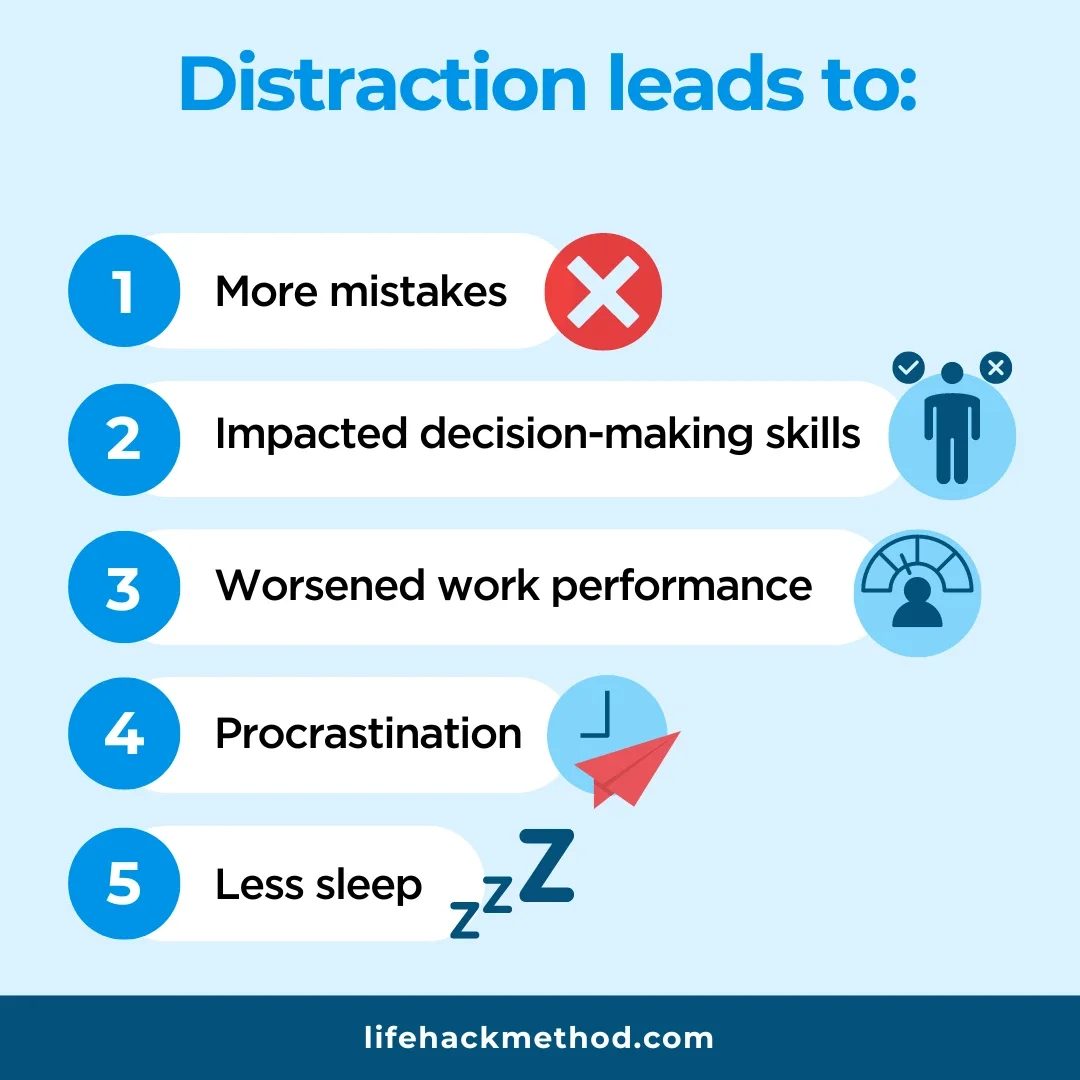
These distractions not only reduce productivity by increasing the time taken to complete tasks but also cause mental fatigue and stress. When attention is split, cognitive performance declines, leading to errors and sluggish problem-solving. Over time, the cumulative effect of frequent interruptions can contribute to burnout and heightened anxiety, making it critical to address digital distractions effectively for both performance and well-being.
Setting Up Your Digital Environment for Focus
Organizing Your Desktop and Browser Tabs
A cluttered digital workspace often triggers distraction rather than focus. When desktops are filled with random icons and browsers overloaded with tabs, it becomes difficult to find needed files and information quickly. This disorganization can lead to procrastination or switching to unrelated tasks.
To counter this, regularly cleaning up your desktop and grouping browser tabs by project or priority can help maintain clarity. Using folders and bookmarking essential sites reduces the urge to open unnecessary tabs. A neat digital environment minimizes the risk of unrelated distractions drawing your attention away from work.
Choosing the Right Tools to Block Distractions
One major cause of digital distractions is the constant barrage of notifications from apps and websites. Luckily, several tools exist to block or limit these interruptions. Without implementing such tools, workers struggle to resist the temptation of checking updates frequently.
Applications that limit website access during focused hours or silence notifications can foster deeper concentration. Selecting tools compatible with your workflow and personal habits is essential for sustained effectiveness—overly restrictive programs might cause frustration, while too lenient ones may fail to curb distractions.
Effective Strategies to Reduce Interruptions
Implementing Scheduled Check-Ins for Emails and Messages
A common challenge is the constant influx of emails and instant messages pulling attention away from important tasks. Responding immediately to every notification fragments focus and interrupts deep work. This habit often stems from a misconception that prompt replies are always necessary.
Establishing specific times during the day for checking and responding to emails and messages can dramatically reduce interruptions. By batching communication tasks, you allow yourself extended periods of uninterrupted focus. Communicating this schedule to colleagues and clients sets clear expectations, preventing misunderstandings.
Using “Do Not Disturb” Modes and Notifications Control
Many devices now offer “Do Not Disturb” modes, which can mute notifications and calls during designated work periods. Without using these features, external pings repeatedly break concentration, even when the disturbance is brief.
Activating “Do Not Disturb” or customizing notification settings to allow only urgent alerts can help maintain a focused atmosphere. This strategy requires discipline to resist checking the phone or apps despite the absence of notifications, establishing a healthier boundary between work and distractions.
Optimizing Personal Habits for Digital Discipline
Time Blocking and Prioritization Techniques
One reason distractions easily invade work hours is the lack of a structured schedule. Without clear priorities, tasks can become overwhelming, causing workers to drift toward less demanding digital activities.
Time blocking—allocating fixed periods for specific tasks—and prioritizing work based on deadlines and importance reduces decision fatigue and increases focus. This approach enables workers to commit fully to each task without the lure of multitasking, which often leads to digital distractions and inefficiency.
Mindfulness and Breaks: Balancing Focus and Rest
Ignoring the need for mental rest results in diminishing returns on concentration, tempting workers to seek distractions for relief. Conversely, unplanned or prolonged breaks risk losing focus altogether.
Incorporating mindfulness practices, such as brief meditation or focused breathing, along with scheduled breaks, can rejuvenate attention and decrease impulsivity toward distractions. Striking the right balance between work and restorative moments promotes sustainable productivity and reduces digital fatigue.
Leveraging Technology to Your Advantage
Apps and Extensions That Enhance Concentration
While technology can be a source of distraction, it can also be a powerful ally in maintaining focus. Numerous apps and browser extensions are designed to foster concentration by limiting access to distracting websites or tracking productive time.
Choosing apps that integrate smoothly into your workflow and suit your specific distraction challenges can improve adherence. However, relying solely on technology without cultivating self-discipline may not yield lasting results, making it important to combine these tools with behavioral changes.
Automation to Minimize Repetitive Digital Tasks
Repetitive tasks like sorting emails or managing calendar invites can consume mental bandwidth, increasing exposure to distractions. Automating these tasks reduces unnecessary decision-making, helping preserve focus for more critical work.
Setting up rules for incoming emails, using templates for responses, or employing scheduling assistants lightens the cognitive load. This approach allows you to delegate routine digital chores to technology, freeing up time and reducing interruption triggers.
Maintaining Long-Term Digital Wellness
Creating Sustainable Routines
Initial efforts to minimize digital distractions may succeed short-term but often falter without sustainable habits. The problem lies in inconsistent routines that fail to embed focus-enhancing practices into daily life.
Developing rituals such as morning planning, end-of-day reviews, and consistent work schedules reinforces discipline. Over time, these routines make focused work a natural state rather than a forced task, preventing relapse into distraction-prone habits.
Periodic Digital Detox: When and How
Even with strong routines, prolonged exposure to digital environments can cause cumulative fatigue and burnout. Periodic digital detoxes—intentional breaks from nonessential technology—offer restoration and deeper perspective on digital habits.
Planning detoxes during weekends or vacations, gradually reducing screen time, or designating tech-free zones helps reset mental clarity. While complete avoidance is impractical for work, conscious withdrawal from digital noise supplements ongoing distraction management strategies for long-term wellness.


