
Understanding the Impact of Distractions on Remote Work
Common Types of Distractions in a Home Environment
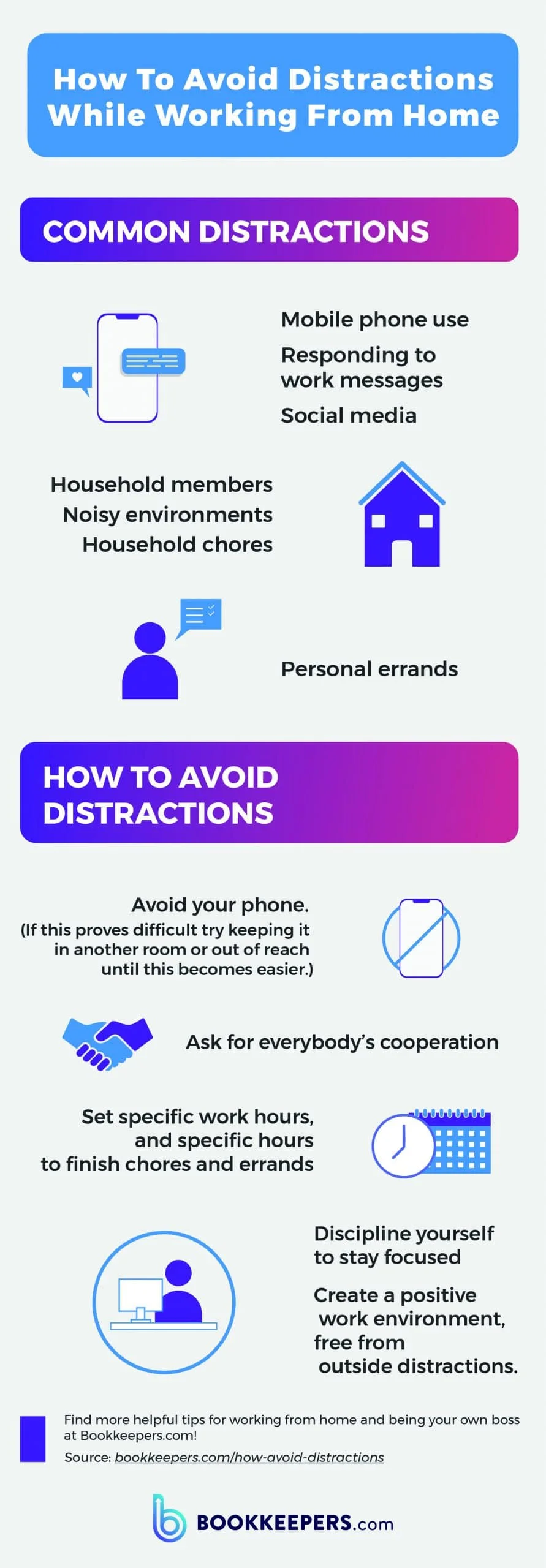
Working from home introduces a range of distractions that are rarely encountered in traditional office settings. Household noises such as children playing, appliances running, or pets demanding attention can frequently interrupt workflow. Additionally, personal devices like smartphones and televisions can lure focus away from tasks. The informal atmosphere of home may also foster temptations for non-work-related activities, making it difficult to maintain consistent concentration.
How Distractions Affect Productivity and Mental Health
Distractions disrupt the flow of work, causing frequent task-switching that reduces overall efficiency. This fragmentation increases the time required to complete assignments and leads to heightened frustration. Beyond productivity loss, persistent interruptions can elevate stress levels, contributing to burnout and negatively impacting mental health. Recognizing these consequences highlights the importance of actively minimizing distractions to preserve both output quality and emotional well-being.
Setting Up Your Ideal Home Workspace
Choosing a Dedicated Work Area
One major cause of distraction at home is the lack of a designated workspace. When work areas overlap with living or leisure spaces, it becomes harder for the brain to separate professional duties from relaxation. Creating a dedicated workstation—even a small corner of a room—helps establish clear boundaries. This physical separation signals to both yourself and others that it’s time to focus, reducing potential disruptions and improving mental readiness for work.
Ergonomic and Organizational Essentials
Poor ergonomics and disorganization contribute to distractions by causing discomfort and clutter-induced stress. An uncomfortable chair or inadequate desk height can lead to physical pain, prompting frequent breaks that disrupt concentration. Similarly, a messy workspace can scatter attention and waste valuable time searching for materials. Investing in proper seating, adjusting your workstation ergonomically, and keeping the area tidy are practical measures to foster sustained attention on tasks.
Lighting and Sound Management
Inadequate lighting strains the eyes and can cause fatigue, diminishing focus over time. Likewise, unpredictable or loud background noise interrupts thought processes. Optimizing natural light or using adjustable lamps ensures clear visibility without discomfort. To manage sound distractions, consider soundproofing options or using white noise machines to create a consistent auditory environment that encourages concentration rather than distraction.
Time Management Strategies to Enhance Focus
Creating and Sticking to a Daily Schedule
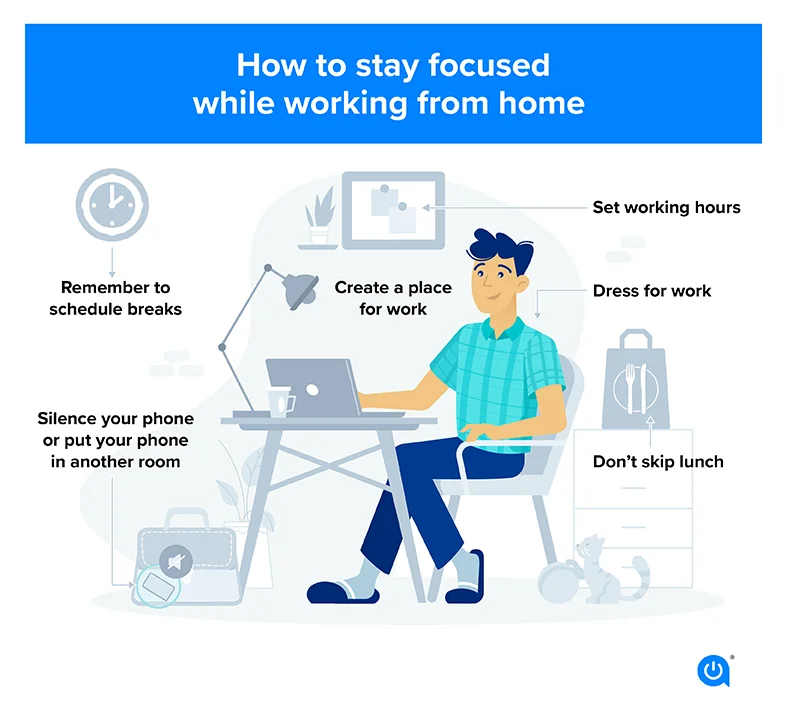
Without the structure of a traditional office, time can quickly slip away, leading to procrastination or overwork. Establishing a clear daily schedule helps combat this by setting defined periods for work, breaks, and personal activities. A routine supports habit formation, making it easier to maintain consistent focus throughout the day. By allocating specific time blocks, you can reduce decision fatigue and maintain better control over your productivity.
Using Techniques Like Pomodoro and Time Blocking
Popular focus-enhancing methods such as the Pomodoro Technique and time blocking offer practical solutions to managing attention spans. The Pomodoro Technique encourages working in short, intense bursts followed by breaks, which can prevent burnout and sustain motivation. Time blocking involves assigning fixed times to particular tasks, reducing the urge to multitask. Employing these strategies helps structure your work into manageable intervals, minimizing distractions and increasing task completion rates.
Leveraging Technology to Reduce Interruptions
Apps and Tools for Blocking Distracting Websites
Digital distractions from social media, news sites, or unrelated emails often interfere with remote work. Fortunately, various apps and browser extensions exist to block or limit access to distracting websites during specified periods. These tools create a controlled online environment that enforces discipline when self-control wanes. Integrating such technology into your workflow can significantly reduce unintentional time loss and maintain sharper focus on priorities.
Noise-Cancelling Headphones and Ambient Sound Apps
Background noise is a common disruptor in home environments. Noise-cancelling headphones provide an effective physical barrier against unwanted sounds, enabling better mental immersion. For those who prefer some auditory stimulation, ambient sound applications offer calming noises like rain, forest sounds, or gentle white noise. These auditory solutions help drown out distractions while promoting a more serene and productive atmosphere.
Managing Household Dynamics and Expectations
Communicating Boundaries with Family or Roommates
One of the main causes of interruptions at home is unclear boundaries with others sharing the space. Without explicit communication, family members or roommates may not recognize when you are unavailable. Discussing your work hours and the importance of uninterrupted focus helps set expectations. When everyone understands your needs, they are more likely to respect your working time, leading to fewer distractions and increased respect for your professional commitments.
Establishing Signals for ‘Do Not Disturb’ Time
Visual or verbal signals can be an effective complement to conversations about boundaries. Using signs, closed doors, or specific cues—such as wearing headphones—can indicate when you are in a focused work mode. These signals reduce accidental interruptions by providing clear, non-intrusive reminders that you should not be disturbed. Establishing and consistently applying such signals creates a respectful environment conducive to sustained productivity.
Healthy Habits That Support Concentration
Taking Breaks for Physical Movement
Staying sedentary for long periods negatively affects both physical health and mental focus. Neglecting movement can lead to stiffness and discomfort, which distracts from work and decreases efficiency. Introducing regular breaks to stand, stretch, or take brief walks revitalizes the body and mind. These pauses help restore concentration, prevent burnout, and improve overall well-being, contributing positively to a productive workflow.
Meditation and Mindfulness Practices
Mental clutter often undermines the ability to focus effectively. Incorporating mindfulness or meditation practices into the day can mitigate stress and enhance attention. These techniques train the mind to acknowledge distractions without succumbing to them, fostering a calmer, more centered state. Even short meditation sessions before or during work hours can improve emotional resilience and concentration levels, reducing the impact of external and internal disruptions.
Adjusting and Reviewing Your Strategies
Tracking Productivity and Identifying New Distractions
As the work-from-home landscape evolves, new distractions are likely to emerge. Without ongoing assessment, it’s easy for unnoticed interruptions to erode productivity over time. Tracking your output and reflecting on when focus lapses occur helps identify persistent or novel distractions. This awareness enables timely adjustments to strategies before inefficiencies become ingrained habits.
Adapting Your Environment and Techniques Over Time
What works well initially might lose effectiveness as circumstances change. Perhaps household noise increases, or new technology demands more attention. Flexibility in modifying your workspace setup, schedule, or tools is essential to maintaining high productivity. Periodic reviews and willingness to experiment with new approaches ensure your remote work practices remain optimized and resilient against distractions.


