
Understanding Sun-Induced Dryness
How Sun Exposure Affects Skin Hydration
When your skin is exposed to the sun, it loses moisture rapidly. Ultraviolet (UV) rays penetrate the skin, stripping away natural oils that are essential for maintaining hydration. This moisture loss leads to dryness, flakiness, and a rough texture, which can make the skin look dull and aged. Moreover, the sun’s heat accelerates evaporation of water from the skin surface, weakening the barrier that keeps skin supple and hydrated.

The Science Behind Sun-Induced Skin Damage
The sun emits UVA and UVB rays that can damage skin cells on a molecular level. UVB rays mainly affect the skin’s surface, causing redness and burning, while UVA rays penetrate deeper, disrupting collagen and elastin fibers. The breakdown of these proteins compromises skin elasticity and moisture retention. Furthermore, sun exposure generates free radicals—unstable molecules that cause oxidative stress—resulting in inflammation and accelerated aging. Understanding these scientific processes highlights why protecting skin from the sun is vital to prevent dryness and maintain overall skin health.
Essential Preventative Measures
Choosing the Right Sunscreen for Hydration
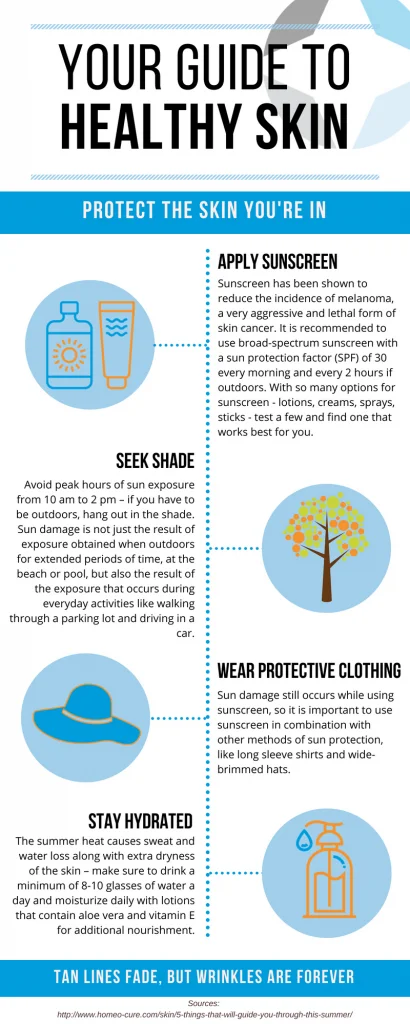
Not all sunscreens are created equal when it comes to hydration. Selecting a sunscreen with moisturizing ingredients such as hyaluronic acid, glycerin, or ceramides can protect your skin from UV damage while helping to retain moisture. Look for broad-spectrum sunscreens that shield against both UVA and UVB rays. Additionally, opting for formulations labeled as “hydrating” or “for dry skin” can provide an extra layer of defense against sun-induced dryness. Remember to reapply sunscreen every two hours, especially after sweating or swimming, to maintain effective protection.
Protective Clothing and Accessories
Physical barriers serve as an excellent defense against sun damage. Wearing wide-brimmed hats, UV-protective sunglasses, and long-sleeved clothing made from breathable fabrics can significantly reduce direct sun exposure. These accessories not only shield your skin but also minimize reliance on sunscreen alone. Investing in garments with UPF (Ultraviolet Protection Factor) ratings ensures that your clothes block harmful UV rays effectively. Combining these coverings with appropriate sunscreen use creates a comprehensive strategy to prevent skin dryness caused by the sun.
Timing Your Sun Exposure
The intensity of UV radiation varies throughout the day, peaking between 10 a.m. and 4 p.m. Limiting exposure during these hours can substantially reduce the risk of skin damage and dryness. When outdoor activities are unavoidable, seek shaded areas or take breaks indoors to give your skin a respite from continuous sun exposure. Gradually building your skin’s tolerance to sunlight by spending short periods outside can also help mitigate drastic moisture loss. Mindful timing is a simple yet effective habit to prevent sun-induced dryness.
Daily Skincare Routine Adjustments
Hydrating Cleansers and Moisturizers
Switching to gentle cleansers that do not strip away natural oils is crucial in combating dryness. Hydrating cleansers with ingredients like aloe vera, chamomile, or oatmeal can cleanse without causing irritation or dehydration. Following cleansing with a moisturizer rich in humectants and emollients locks in hydration and repairs the skin’s barrier. Applying moisturizer while the skin is still slightly damp enhances absorption and effectiveness. Paying attention to the products you use daily helps maintain skin moisture balance, especially after sun exposure.
Incorporating Antioxidants for Skin Repair
Topical antioxidants such as vitamin C, vitamin E, and niacinamide play a key role in neutralizing free radicals produced by sun exposure. These ingredients aid in repairing damaged skin cells and promoting collagen synthesis, which supports skin hydration and elasticity. Including antioxidant serums in your skincare routine, preferably in the morning, creates a protective shield against environmental stressors. Consistent use enhances your skin’s resilience and contributes to a more radiant complexion.
Importance of Regular Exfoliation
Exfoliating removes dead skin cells that can accumulate and make skin appear dull, especially when dry. However, it’s important to exfoliate gently and not overdo it, as excessive exfoliation can strip away too much moisture and exacerbate dryness. Using mild chemical exfoliants like alpha hydroxy acids (AHAs) or beta hydroxy acids (BHAs) once or twice a week can stimulate cell turnover and reveal fresher, smoother skin. Regular exfoliation aids in better absorption of moisturizers and serums, enhancing overall hydration.
Natural Remedies for Soothing Dry Skin
Aloe Vera and Other Healing Plants
Aloe vera is renowned for its soothing and hydrating properties. Applying pure aloe gel directly to sun-dried skin offers immediate relief by cooling inflammation and replenishing moisture. Beyond aloe, natural extracts like calendula, chamomile, and cucumber also provide anti-inflammatory and moisturizing benefits. These plants help restore skin comfort while supporting the healing process after sun exposure. Incorporate these natural remedies to complement your skincare routine for gentle, effective soothing.
Homemade Hydrating Masks
Creating hydrating masks at home can be a nourishing treat for sun-stressed skin. Simple ingredients such as honey, yogurt, and avocado supply vitamins, antioxidants, and oils that replenish moisture. For example, a mask combining mashed avocado with honey forms a rich moisturizer that calms dryness and adds radiance. Applying these masks 1–2 times per week can enhance skin softness and reduce the appearance of sun-induced tightness. Homemade masks allow for a personalized, budget-friendly way to pamper your skin naturally.
Lifestyle Tips to Enhance Skin Radiance
Hydration Through Diet
What you consume significantly influences your skin’s hydration levels. Drinking plenty of water throughout the day is essential to keep skin cells plump and hydrated from within. Foods rich in omega-3 fatty acids, such as salmon and walnuts, support the skin’s lipid barrier and reduce inflammation. Additionally, colorful fruits and vegetables provide antioxidants that protect against oxidative stress. Adopting a balanced diet with these nourishing components promotes lasting skin radiance and resilience against dryness.
Importance of Sleep and Stress Management
Quality sleep allows your skin to repair itself and regenerate moisture effectively. During deep sleep phases, skin cells restore and produce collagen, helping to maintain firmness and hydration. Conversely, stress triggers the release of cortisol, a hormone that can impair skin barrier function and increase dryness. Incorporating relaxation techniques such as meditation, gentle exercise, or journaling can reduce stress, enhancing your skin’s natural glow. Prioritizing rest and emotional well-being is a holistic approach to achieving radiant, well-hydrated skin.


